Chris Worfolk's Blog


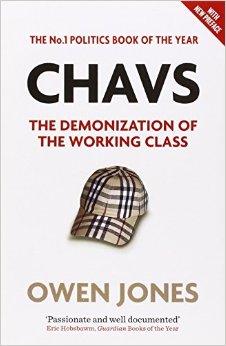
Chavs: The Demonization of the Working Class

January 4th, 2016 | Books, Religion & Politics

Chavs is the second book I have read by Owen Jones. The other being The Establishment.

In Chavs, Jones rails against the lens that working class people have been put under. Led by politicians, and then the media, society has been encouraged to demonise the poor as benefits-claiming jobless scroungers.

Who exactly are the working class? Neil Kinnock offers Karl Marx’s definition.

People who have no means of sustenance other than the sale of labour, are working class

This seems a very workable definition. I would include myself in the working class. I own no business of any value, nor any property, and have to sell my labour to pay the bills.

Before Thatcher took a sledgehammer to British industry in the 80’s, being working class was something to be proud of. As industry disappeared, entire communities were left without jobs and without hope. By 2010 there were two and a half million people unemployed, and less than a million job openings. There simply were not enough to go round. What sympathy do such communities receive? None. They are told to get on the bus and go chase a non-existent job. So Jones contests.

The argument in support of letting industry go was that it needed modernising and could not be propped up by the state. As we now know though, this isn’t the case. We managed to put together a multi-billion pound bailout for banking after all. So bailing out an entire industry is entirely possible.

The ultimate betrayal of the working class was the creation of New Labour. Thatcher’s greatest victory. No longer did Labour aim to help the working class improve their quality of life, but merely to encourage them to escape into the middle class. Thus, if they remained poor, it was their own fault.

This created a climate that you were either middle-class of a benefits scrounger, and there was no in between. Jones quotes Simon Heffer saying so. That feels ironic given I have just read Heffer’s book. No doubt he would wince at the ‘z’ in ‘Demonization’ too.

Society became outraged at the £1 billion we were losing on benefit fraud. Never mind that over £2 billion of eligible benefit is not claimed and that if everyone got exactly what we deserve the state would be less well off. And especially forget the £70 billion per year big business avoids in tax. A study by the Joseph Rowntree Foundation found that many people doing cash-in-hand jobs on the side do to to pay for basics like food, heating, or debt. Those are the people to blame.

The media jumped on the bandwagon too. The Sun was outraged when people went to the local shop in their pyjamas at lunchtime. Yet a quick visit to any area full of middle-class students, such as Bodington Hall, would offer a similar sight.

This allowed the government to cut into the working class. Between Thatcher taking power and Blair outing them, the tax burdeon on the working class increased from 31.1% to 37.7%.

Jones comes to the support of Jade Goody. She, after all, is a member of the demonised working class. He makes a good case. He attacks Little Britain, which he correctly identifies as being incredibly offensive, with it’s bad stereotypes of gays, transgender people and the poor.

He also suggests Wife Swap would be better-labelled class swap. From the few episodes I have seen of the show it does seem to come down to that. Far from being an attack on the working class though, it always seemed like comparing the loving family environment of the working class to the cold materialistic stand-off-ish attitude of the middle class.

I take exception to his accusation that there have been no working class bands since Oasis though. While Kaiser Chiefs lyrics may not always reflect well on the working class, such claims could not be made against the also-very-popular Arctic Monkeys.

Back onto the real subject matter, the argument about environment is less clear. Jones claims that the middle class are better able to provide for their children because they can get them an advantage in education and jobs. This is simpler to the case Gladwell makes in Outliers. Things are not that simple though. As Pinker points out, parenting has little effect on a child’s personality or intelligence, so the value on focusing on education is unclear.

It also appears not to the case that the middle class are better at managing their money. As Chris Tapp, director of debt advice charity Credit Action, says, poor people are actually excellent at managing money – one has to be to get by.

On reducing council tenancy from lifetime to 5 or 10 years, I’m torn. As my friend Chris points out, those of us in the private renting market enjoy 6 months at best. And when I advocated building more council housing my friend Helene elaborated on the issues of lifetime tenancy in The Netherlands. However, a few hundred pounds in moving bills wouldn’t actually trouble me. I would be very annoyed, but I could easily get such a sum out of my savings. Whereas I imagine many council tenants do not have a savings account.

One thing that put me off was that at least one of the facts in the book appears to the incorrect. For example, when discussing the 2011 riots, he describes them as spreading to northern cities including Leeds. But they didn’t. There was no rioting in Leeds during that period.

The take-home message for me is that there will always be a working class and it is important to have one, so we should focus on making their (our) lives better rather than offering an escape. This seems a difficult proposition to take fault with.
chavs-book

Strictly English

January 3rd, 2016 | Books

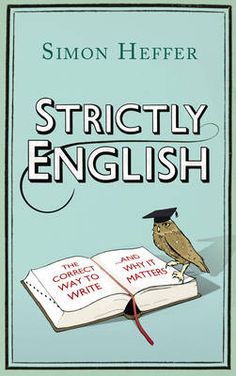
Strictly English is a book by Simon Heffer. It is a forerunner to Simply English, which I have already read.

While Simply is an A to Z of words and how they are often misused, Strictly is a work of following prose. It goes from subject to subject describing the English language in detail.

In the introduction to Simply, he describes it as complementing Strictly. This is for the most part true. However, there is a significant amount of crossover. I regularly found myself skipping through sections because I had already read the point in Simply. On balance, I think this might be the more valuable of the two.

Strictly-English

2015 in pictures

January 2nd, 2016 | Life, Photos

the-assembly-line

The Assembly Line playing its first gig in March.

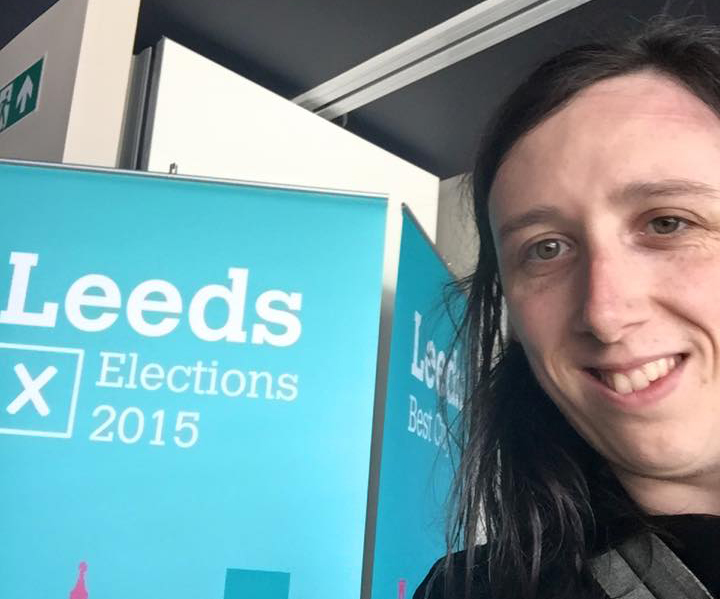
leeds-elections

Standing for local council in May.

hayfield

Trip to the Peak District in June.

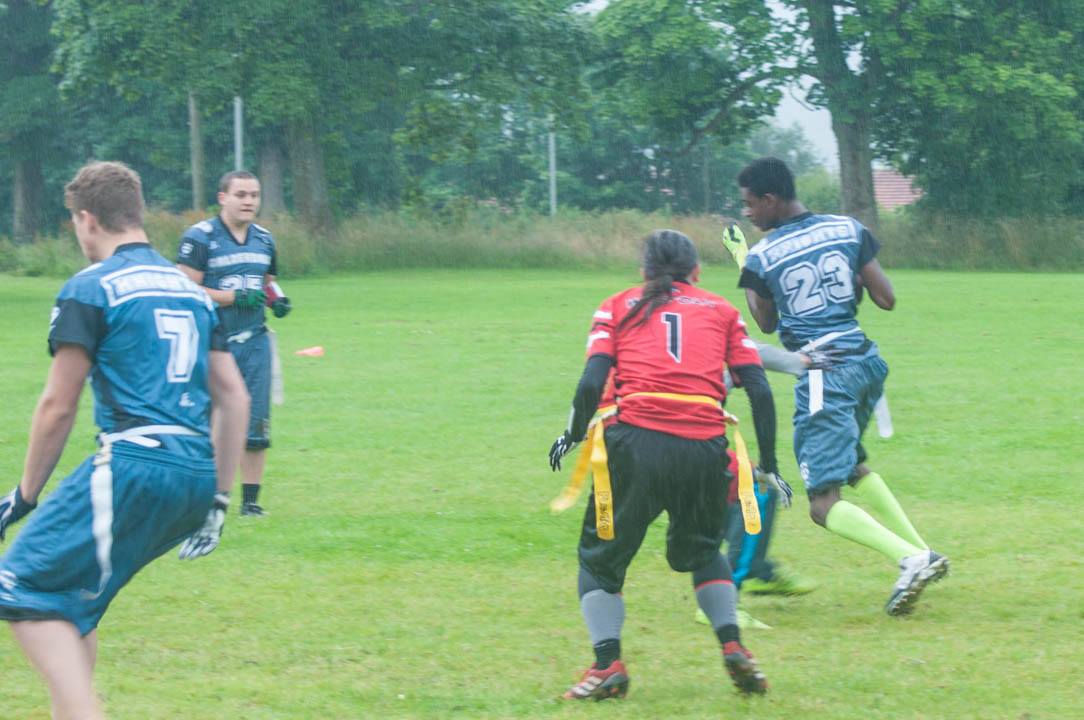
leeds-samurai

Playing flag football with Leeds Samurai in July.

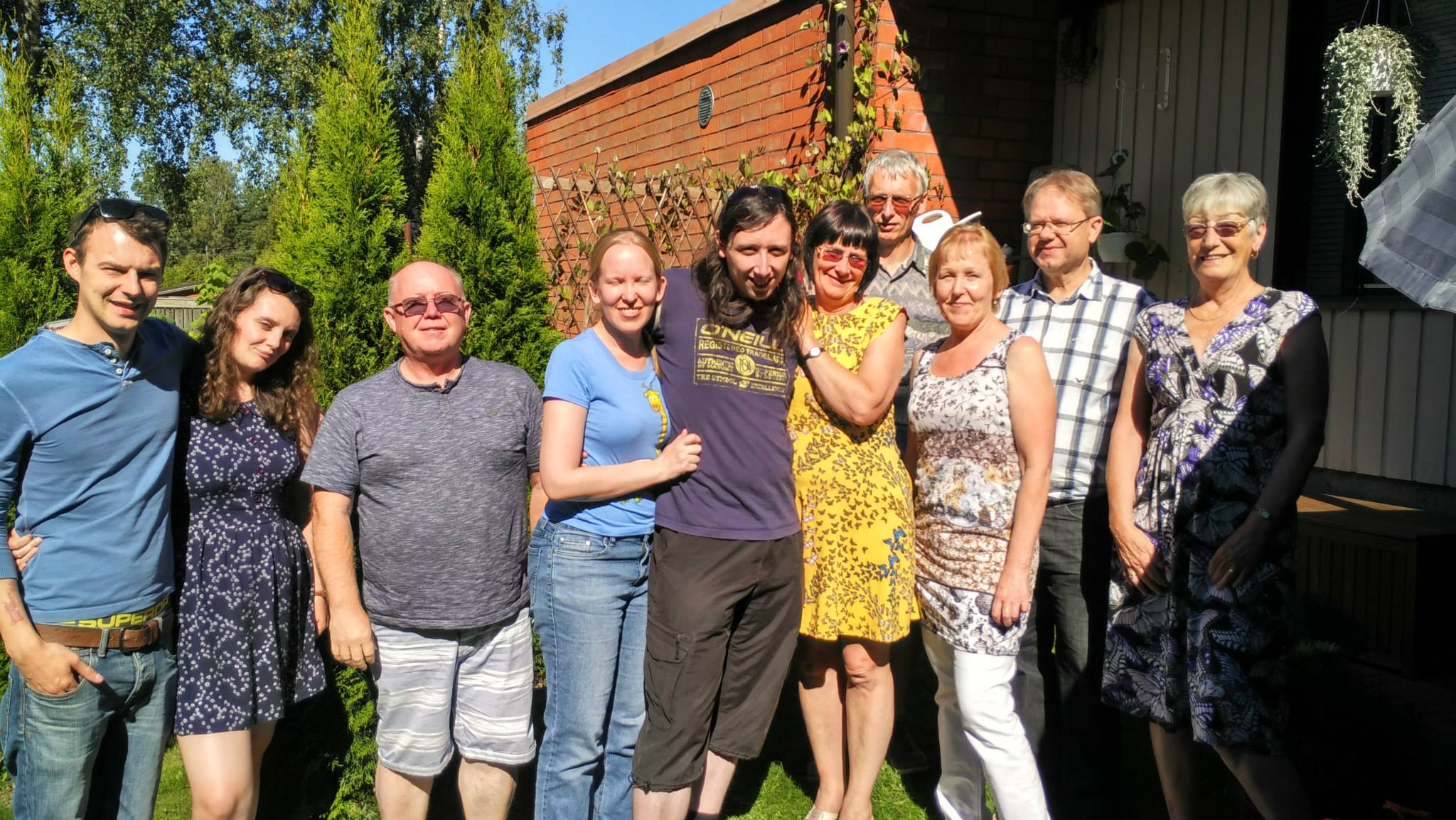
finland-wedding

Finland wedding in August.

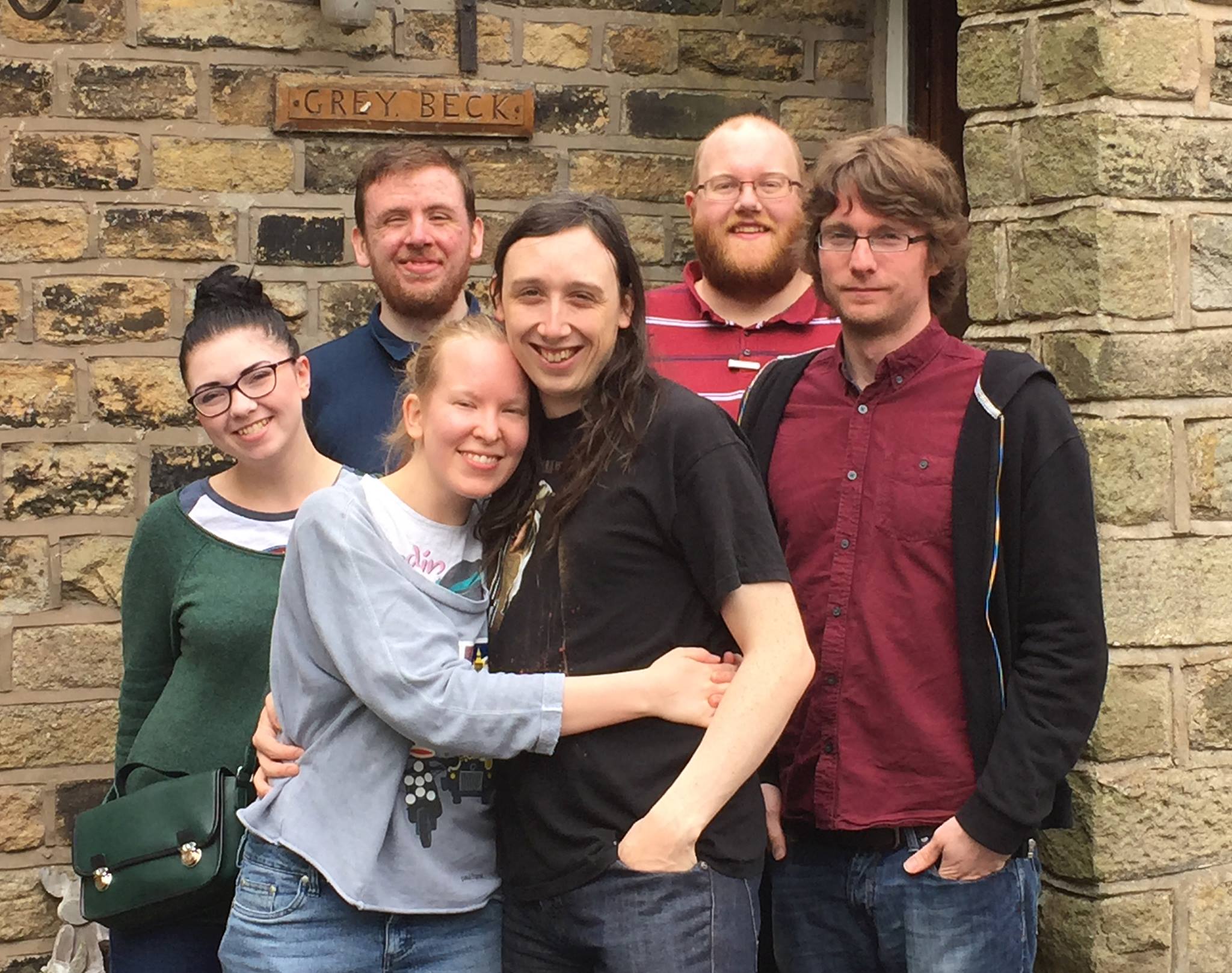
leeds-wedding

Leeds wedding in October.

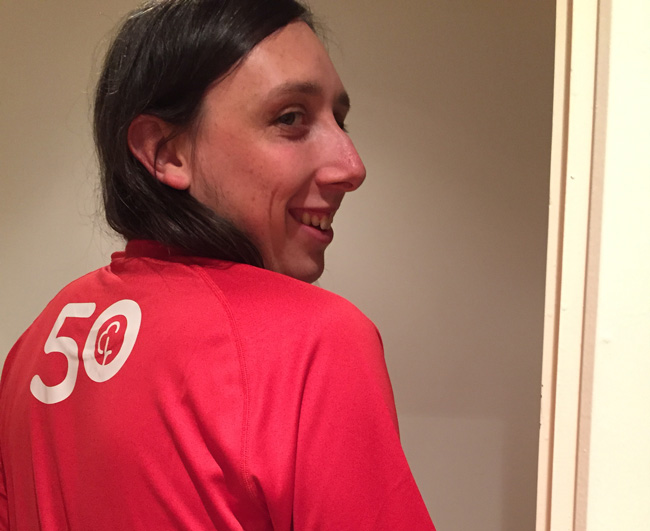
parkrun-50

Achieving my Parkrun 50 milestone in September.

food-drive

Holiday Food Drive for local homeless shelters in December.

2015 in review

January 1st, 2016 | Life

For me, 2015 has been a year dominated by reading and wedding planning. I have been on a mission to get to the bottom of my reading list – a goal that has almost been achieved. Of course, before all of that, every new year starts the same way: clearing up from our New Year’s Eve party.

I have been a vegetarian for almost ten years. However, in January, I took the step of going from in principle to actually eliminating meat for a month or two. It was interesting. Elina spent the month wedding dress shopping, in Finland, or both. I said goodbye to my Harrogate commute. Elsewhere the Charlie Hebdo attack took place.

In February we visited The Big Smoke and took in a show. We celebrated Darwin Day, Valentine’s Day and Galileo Day. The Patriots bested the Seahawks in Superbowl XLIX and we said goodbye to Mr. Spock. I spent a lot of time on the road as I conducted by winter club visits as part of my role as Toastmasters area governor.

I took a break from reading Hugh Fearnley-Whittingstall in March to give me some time to watch his shows instead. I took Elina to Sheffield for her birthday (lucky girl!). I settled on a backup career choice and read one of the most important books of my life. The F1 season started and we said a sat goodbye to the greatest author of our generation. The Sunday Assembly band, The Assembly Line, played its first gig. There was a solar eclipse, which was rubbish.

Things became rather political in April. There was a leaders debate, but more importantly, I announced my candidacy for local council. Our Easter Potluck went down well. Far better than my three first roast for example. Frinks returned and we published the 4th edition of the Leeds Restaurant Guide. The Assembly Line continued to rock and I played my first league games with Leeds Samurai.

Responsive web design was on the cards for May with both Worfolk Online and CWF websites getting a make-over, including a lovely update to Worfolk Lectures. At home, it was all about baking bread. We were shocked and stunned when the Conservatives took a majority in Parliament, but at least I received 104 votes. We warmed
GabrielÄ— & Tim’s flat. We visited Nottingham for the Toastmasters district conference, and Sheffield to see Mark Knopfler.

Nothing much happened in June, so I made a list of my favourite books. He had a weekend away in the Peak District with friends. The Assembly Line played a gig and the Women’s World Cup kicked off.

I actually found a use for reading Jane Austen in July and the United States triumphed in the Women’s World Cup. The Assembly Line performed and we launched FinnStore. We attended the Finnish picnic and held our first annual family BBQ. Leeds Samurai earned their second ever league victory while in Manchester. I started piano lessons and I enjoyed my first month free from Toastmasters area governorship.

I read the most incomprehensible book ever in August. There was a trip to Finland for our Finland wedding. Jack dropped by from Australia and the flag football season came to a close. We held the Humanist summer social at Kirkstall Abbey.

I was finally eligible to compete again at Toastmasters in September and did so with a vengeance. We celebated Samantha’s first birthday, saw Dr Hassall interview Richard Dawkins, and published the Finland Restaurant Guide. Atheist Society showed a revival at the kick-off quiz. We visited Hugh & Anna, Blackpool for the Loony Party conference and Skiption for Yarndale.

I spent October doing wedding prep and baking pies. We had our Leeds wedding. I entered my final year of my 20’s and triumphed in the Area 15 speech contest final, the video of which is now online. We visited London to see the Jets v Dolpins at Wemberly. It was Back to the Future Day. We finished the month off with our Halloween party.

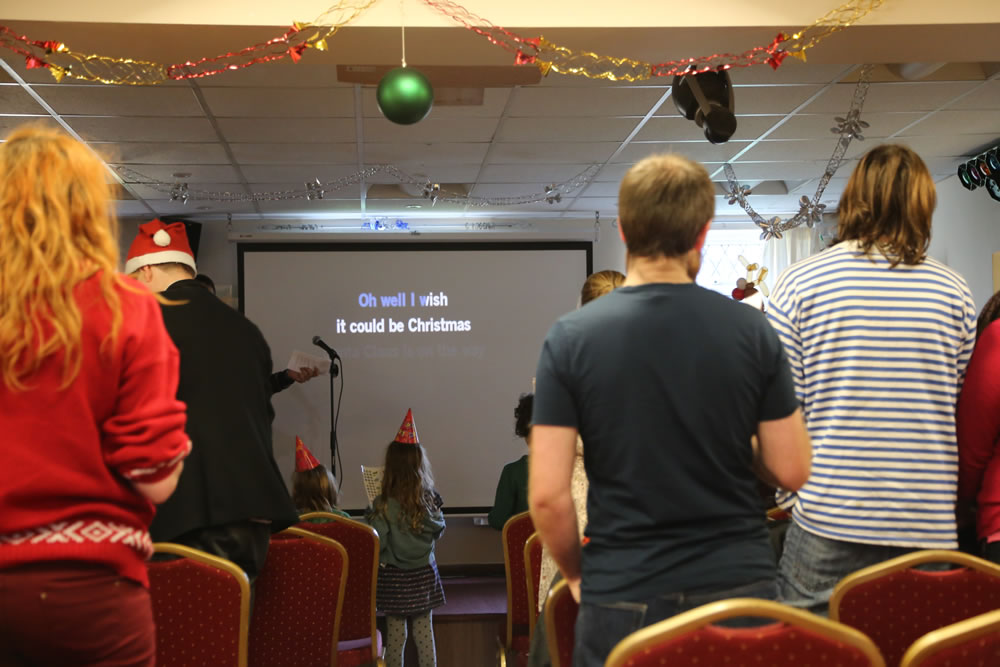
I completed my second Abbey Dash in November and I received my Parkrun 50 t-shirt. My dad earned his too. I wrote my first novel as part of NaNoWriMo. We finished the month with Finnish Christmas carols and another gig by The Assembly Line.

In December we completed the 6th annual Holiday Food Drive for local homeless shelters and published the 5th edition of the Leeds Restaurant Guide. We celebrated my grandma’s 90th birthday and held the Humanist winter social at the Lawnswood Arms.

Thinking about New Year’s resolutions? Read this first

December 31st, 2015 | Success & Productivity

marathon

At this time of year, people often make New Year’s resolutions. Really, by definition, it is the only time you can do it.

I have never been very good at them. Not because I never stick to them, but because one of my few talents seems to be having some resolve. So when I decide to do something over the Christmas holidays, be it learning guitar or changing my diet, I just get on and do it without waiting for New Year to actually arrive.

Many other people fall into a different group. The one that devices to work on a weakness or eliminate a vice, and typically fail to stick to it. A study by Richard Wiseman suggested that 88% of people fail to keep them. If this is you, you could try again this year. However, as the old phrase goes, ‘the definition of insanity is doing the same thing and expecting different results.’

However, in The Happiness Hypothesis, a book I will be writing about in early January, Jonathan Haidt makes another suggestion. Work on your strengths. This probably should not be a novel suggestion, but thanks to society’s focus on self-improvement and being a well-rounded person, we tend to focus on our weaknesses so much that our strengths get overlooked.

This is something I have pondered for a while with Toastmasters. I am not very good at Table Topics. But, modesty aside, I am good at prepared speaking. I’ve already been to the UK & Ireland finals once. I could spend my time improving my Table Topics, and become an okay Table Topics speaker. However, do I need to be good at Table Topics? Spending time on my prepared speeches with the aim of going to the world finals seems a much more exciting prospect.

My own petty concerns aside, should Wayne Rooney work on his tennis, or John Grisham focus on advanced maths? Probably not. You don’t actually have to be good at everything; having one awesome skill may well be far more useful.

Utility aside though, there is a far more important reason that you should work on your strengths. That is that you are more likely to stick to it. Achieving your goals actually gives you very little reward or happiness. Yes it’s good, but probably not as good as you think it will be, and probably wears off quite quickly. To lead a truly fulfilling life, you have to enjoy the journey.

A weakness is probably a weakness because you do not enjoy it. Whether it is stopping drinking, starting exercises, or tackling your fear of public speaking, you are probably going to find that journey quite unpleasant. I am not saying do not tackle it, but do not be surprised if you soon find yourself giving up on it.

In contrast, if you make a resolution to do something you already love doing, taking it to the next level, you are far more likely to stick at it. This is important if you attach any esteem to following through on your New Year’s resolutions. So if you are planning to make them, do yourself a favour this year and pick a strength to work on.

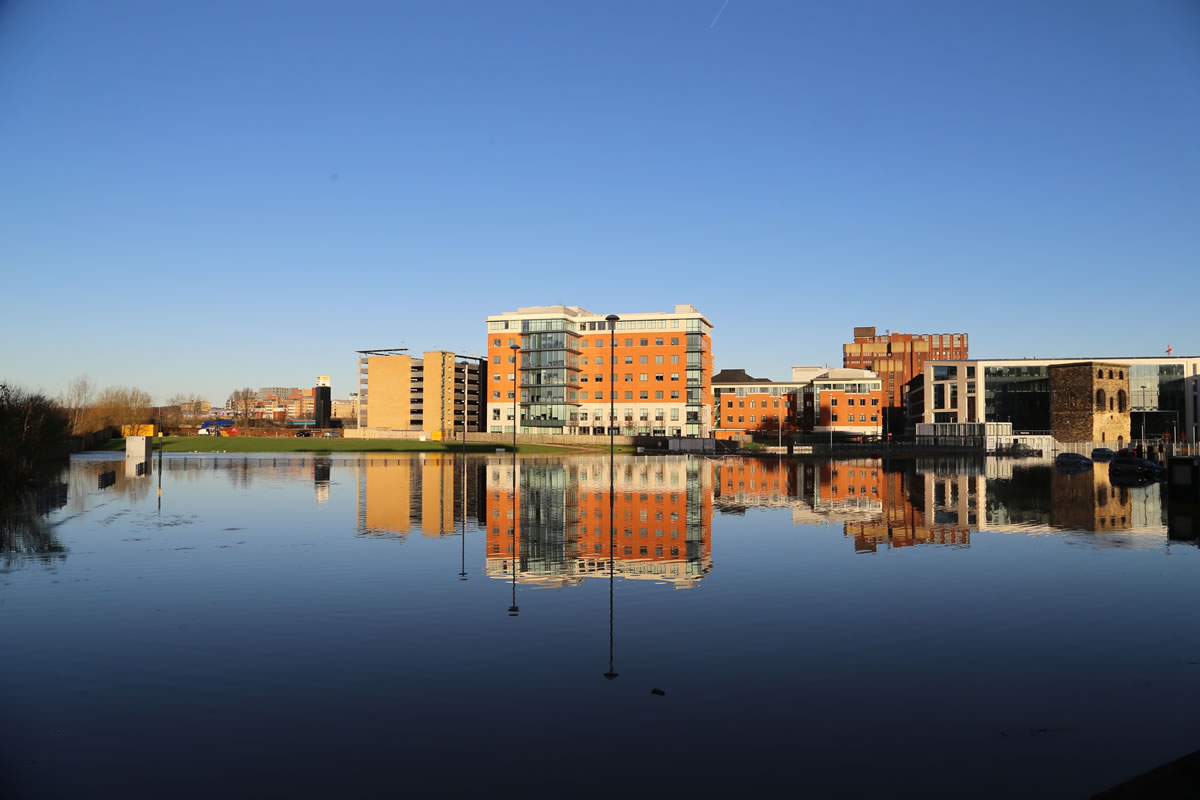
Leeds flooding

December 30th, 2015 | Photos

IMG_8553

IMG_8558

IMG_8560

IMG_8561

IMG_8566

IMG_8572

IMG_8588

IMG_8591
Read the rest of this entry »

Humanist winter social

December 29th, 2015 | Events, Humanism

winter-social

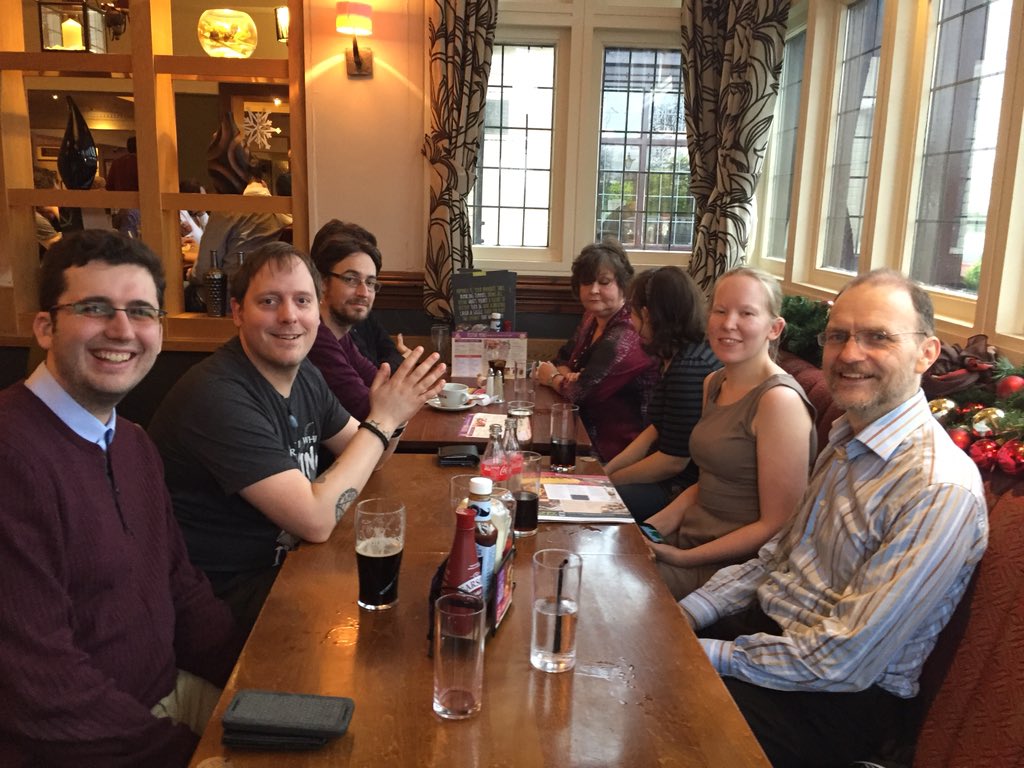
To end the year West Yorkshire Humanists held a social at the Lawnswood Arms.

SAL December 2015

December 28th, 2015 | Events, Humanism, Photos

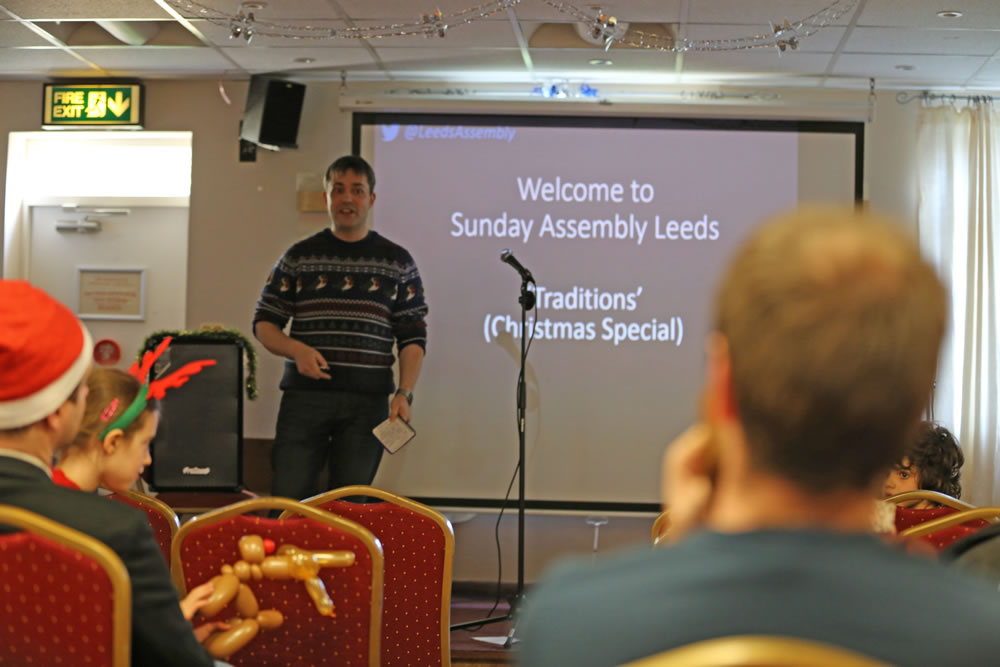
For the December event at Sunday Assembly Leeds, Dermot led an assembly on “traditions”.

IMG_8460

IMG_8464

IMG_8489

The Man Who Won The War

December 27th, 2015 | Public Speaking

This is my Toastmasters speech for Project #5 of the Storytellig manual ‘Bringing History To Life’. I told the story of Alan Turing.

How popular is NaNoWriMo?

December 26th, 2015 | Distractions

When I tell people that I did NaNoWriMo in November, they often ask how popular it is as most people have not heard of it. This is not surprising as I only heard about it through a friend at Toastmasters. It is predominantly an American thing, as the international shipping I refused to pay for my winners t-shirt demonstrates. It does have a large international following however, with plenty of people here in Leeds entering.

In total, 351,489 people entered this year. 40,301 finished it (11.5% of entrants).

In Yorkshire, a total of 1,034 people entered. The average word count was 20,000, though there is no break down of this. It could have been that 400 people finished it and 600 people wrote nothing, it could be a similar breakdown to the worldwide stats. Probably the latter.