Megahampurilainen
Saturday, September 7th, 2013 | Photos

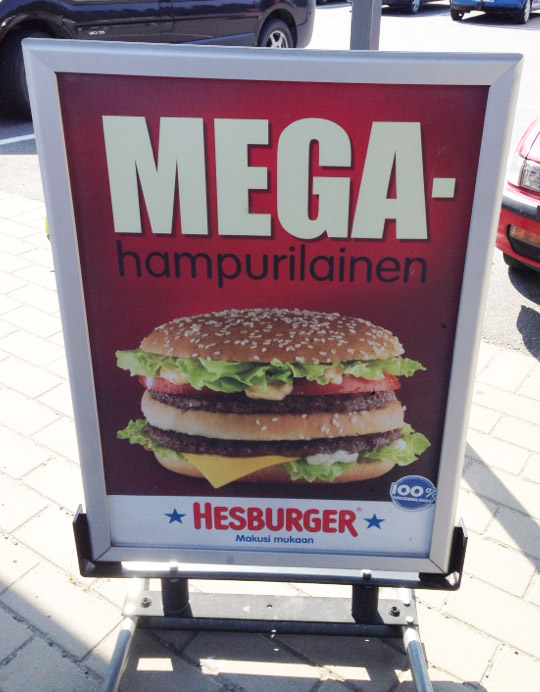
Who are they kidding, it’s a Big Mac.

Who are they kidding, it’s a Big Mac.

Who are they kidding, it’s a Big Mac.
While in Finland, we spent the final three days of our time in Finland with Elina’s family, in Laitila.
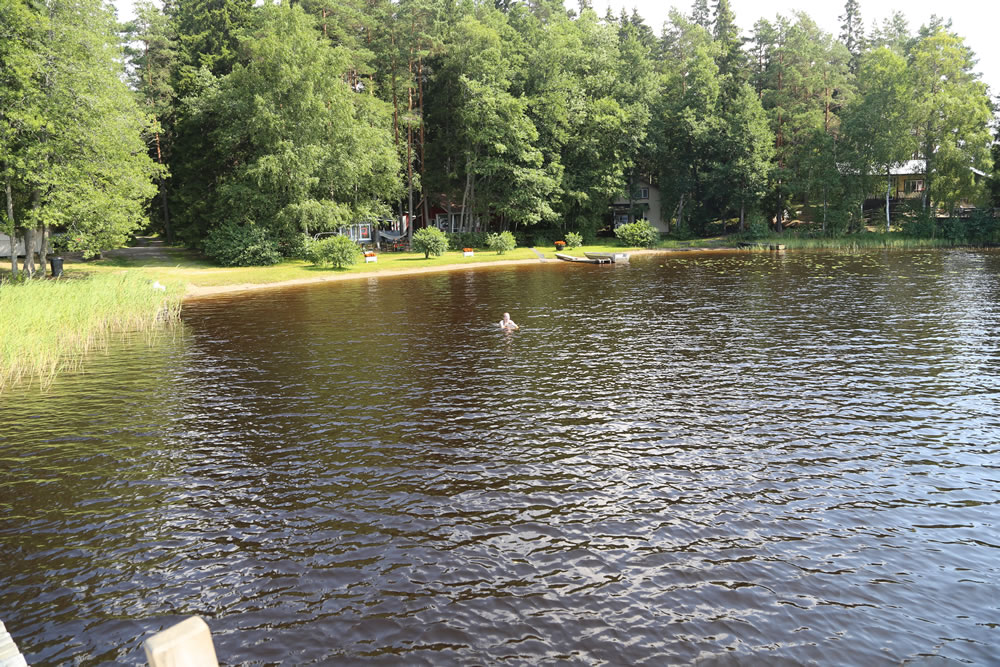
We tried to swim in a lake at 2pm, but it was still freezing cold at this time, so in the end we gave up and spent the day enjoying the sunshine from the bank.
This is a rose from Riitta’s garden. She has a lot of beautiful flowers.
The view from Henry’s garden.
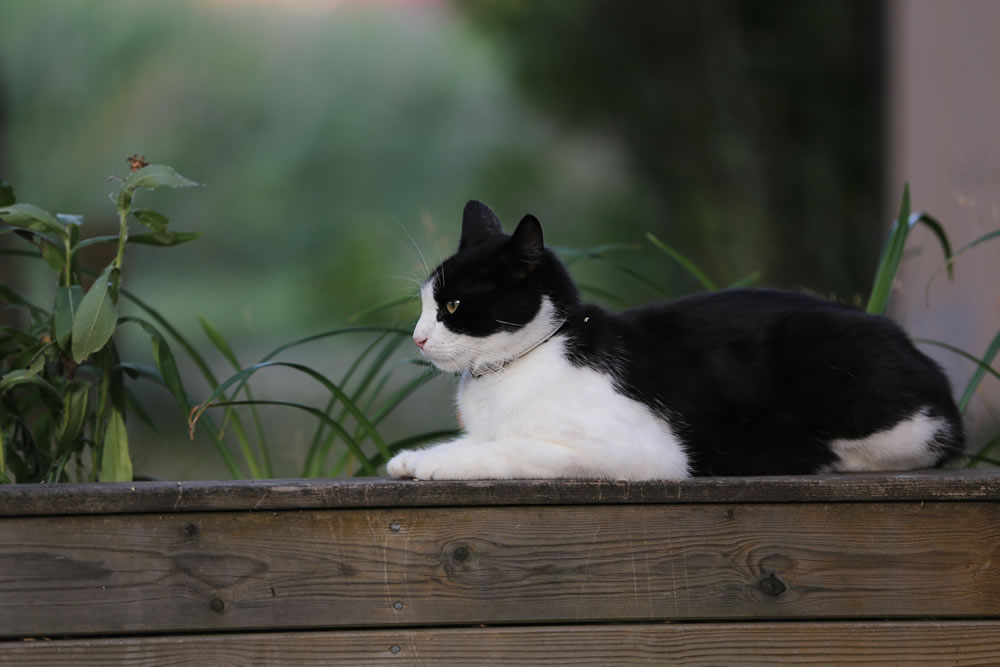
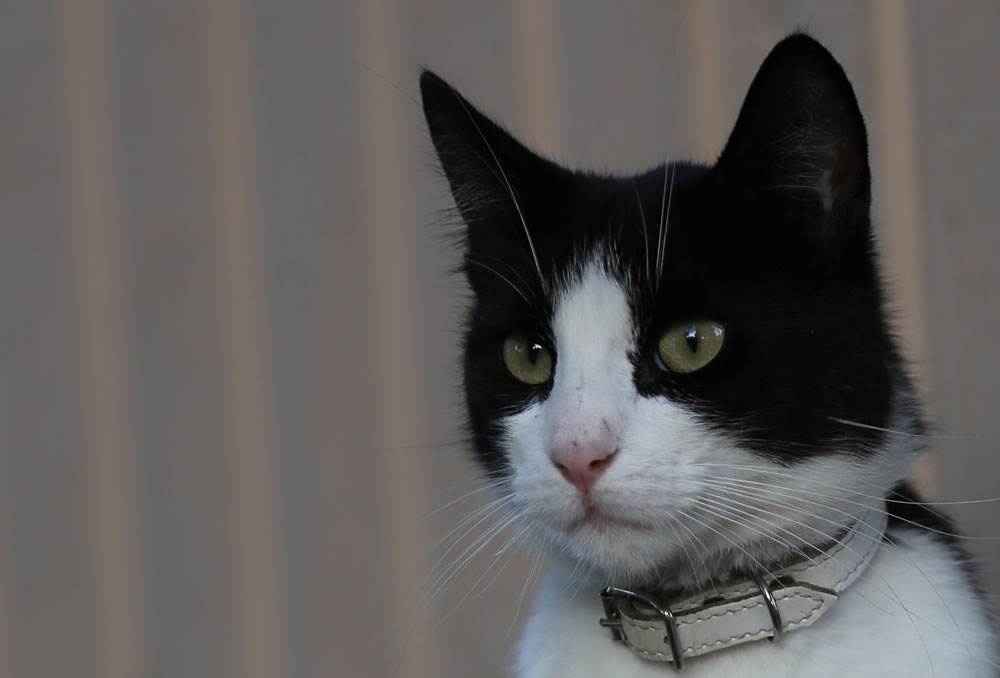
Henry’s cat.
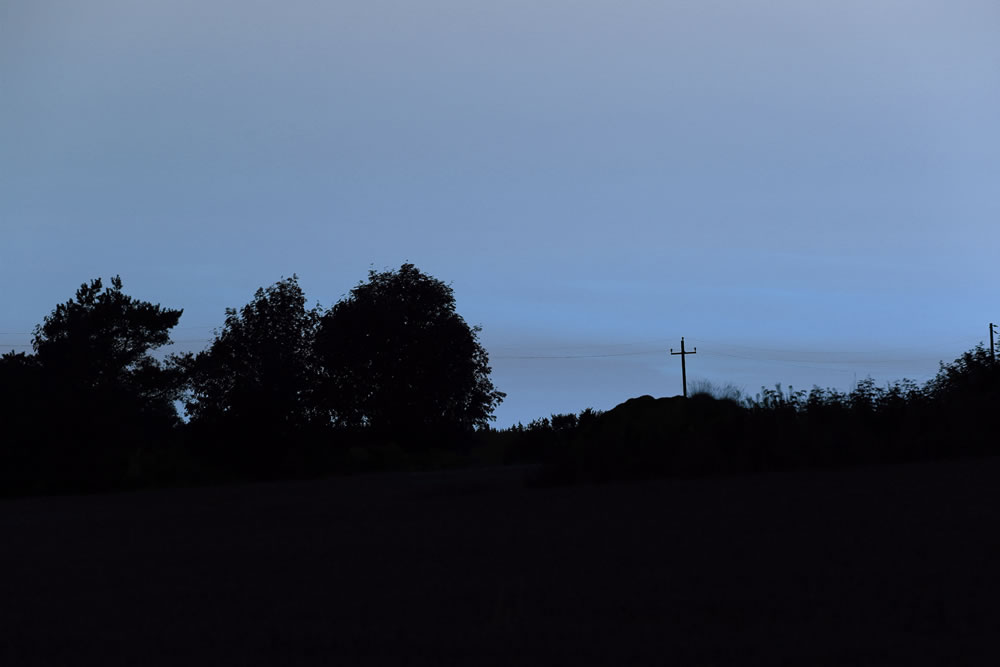
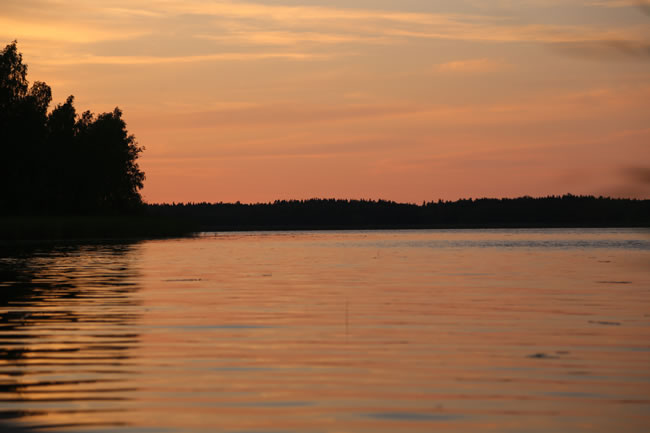
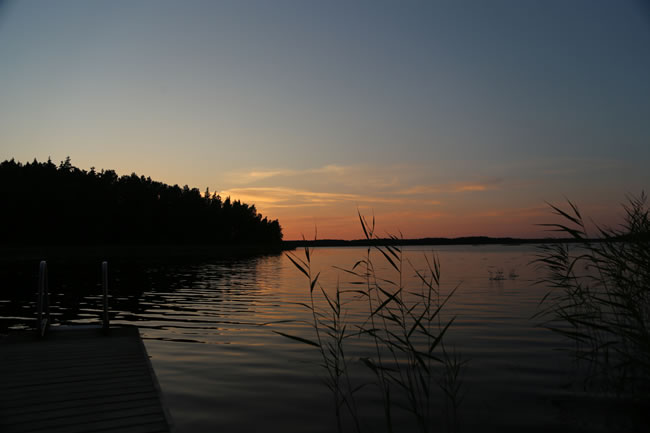
We spent Friday evening at a summer cottage by a lake. This is the view as the sun went down.
It was surprisingly warm when we went for a midnight swim.
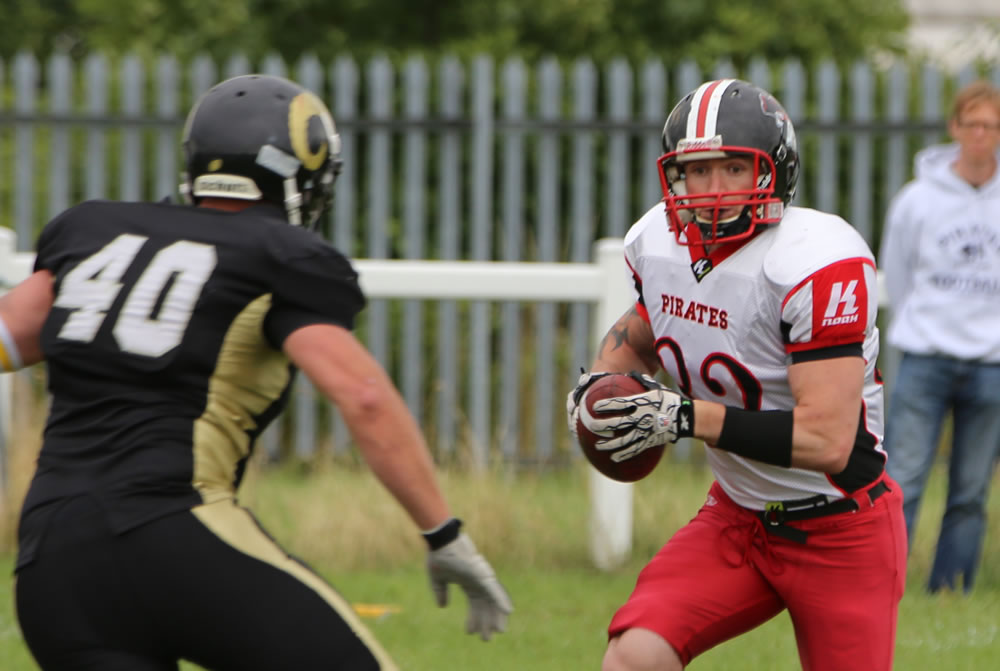
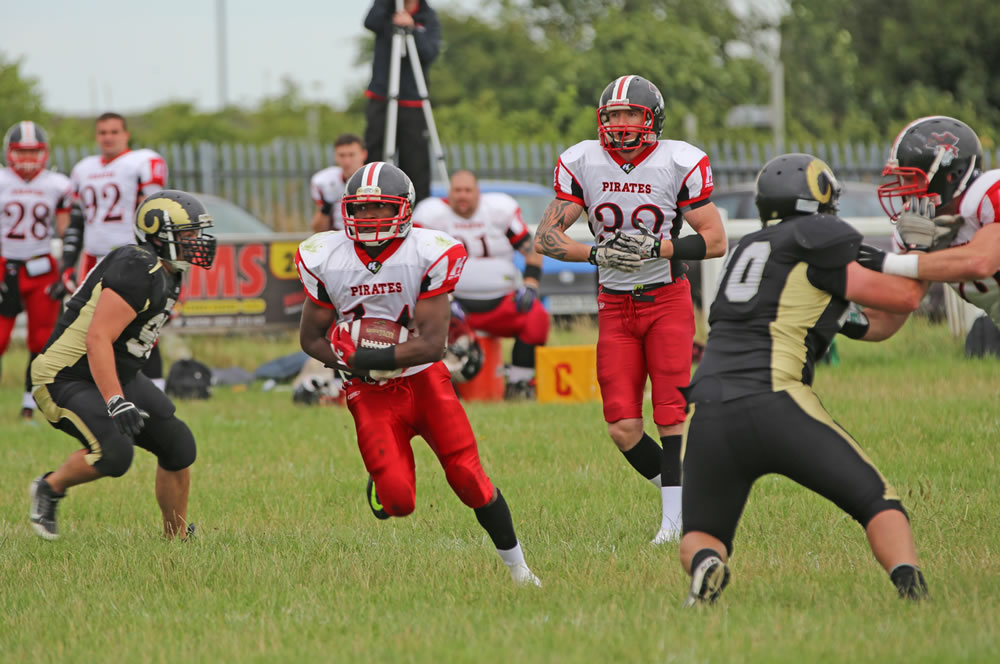
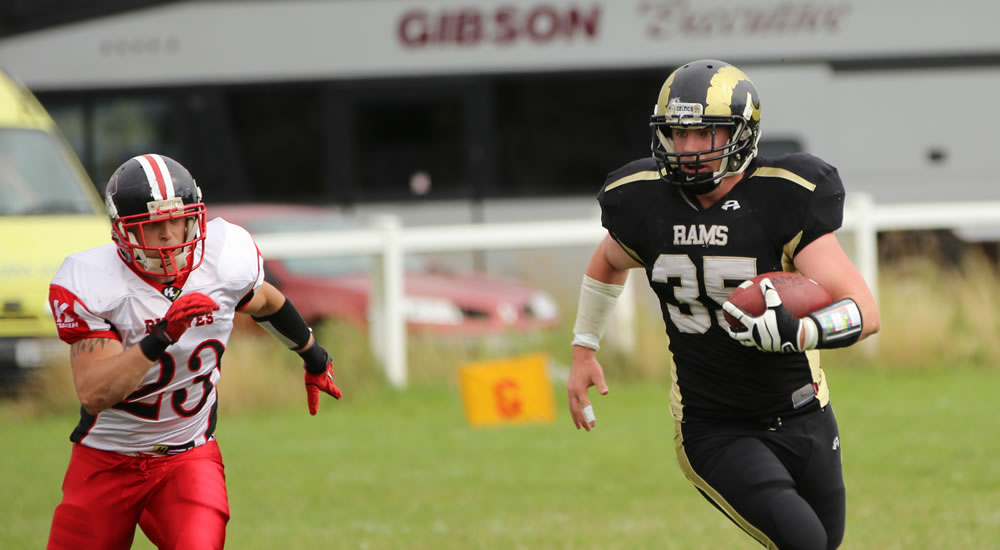
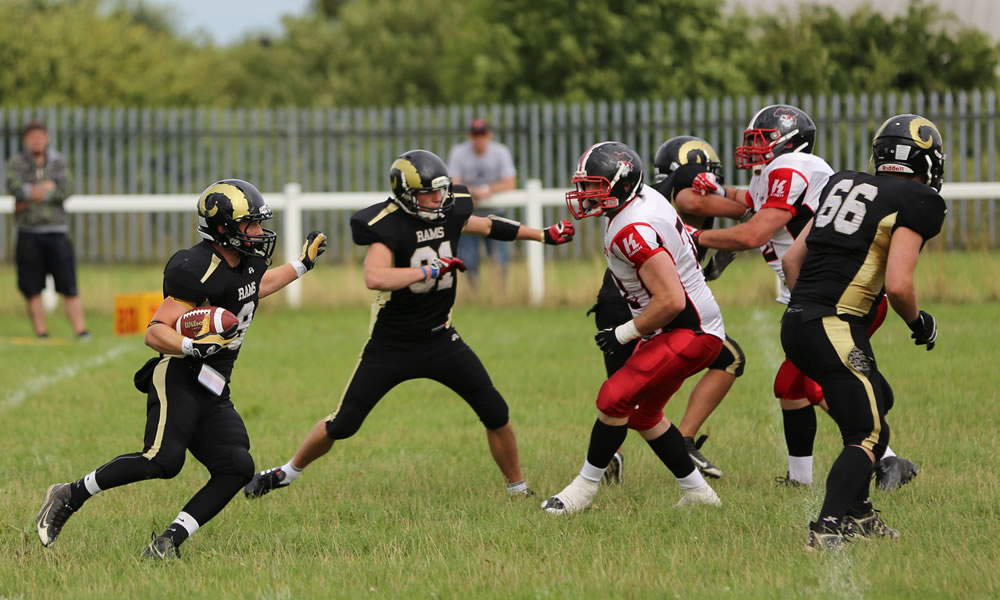
This was my second day out photographing one of our local american football teams, the Yorkshire Rams. Here is what I learned…
Set the white balance manually. During the Lancashire Wolverines game I left it on auto, whereas in this game I manually set it to cloudy and left it there. The photos came out a bit cold in the first game and a little inconstant too. This time they have a more consistent, warm feel.
An exposure of 1/500 is not fast enough to freeze the action. It is OK for players running around but when the ball is being thrown, you need at least 1/1000. When I photograph birds in flight I use 1/1250, and the ball is probably moving faster than that, so makes sense.
I tried taking off my 2x extender and just using my 70-200mm lens (whereas with the extender on I would get a focal range of 140-400mm), as this allowed me to open the aperture up to 2.8. I didn’t see much benefit though, I was already shooting at around ISO 100, so I simply didn’t need to open it up to that unless I specifically wanted to do so, and while that allows me to easily blur at the background, it makes it difficult to keep everything in focus. So 140-400mm f5.6 it is then; it is broad daylight after all.
I also tried increasing the ISO to 3200 in an attempt to get a much greater depth of field. This allowed me to work at up to f11 even at 400mm, again I didn’t see a great deal of difference, but I might give it another go next time and see if I can shoot some catches and plays where I don’t have time to re-focus the camera.
I used AI servo and back button focusing for this shoot. That means I turned off auto focus activation when you press the shutter half way down (I posted a video on how to do this a few weeks ago), and used a button on the back to activate it instead. Because it is in AI servo mode (continuous auto focus), I could then press this button on the back to focus, hold it if I wanted it to work continuously and then release when I wanted to take a shot, or even leave it going the whole time. Mostly I focused and then left it alone, unless the action started coming towards or away from me.
There is also an element of luck to it. I was shooting in continuous mode, but cameras can only take so many shots per second, and given a kick of a throw takes less than one, being able to capture the exact moment comes down to chance. Of course, the more expensive your camera is, the more it can take – my 6D clocks in at 4.5 I think, whereas if you have a 5D Mark III it can take up to 6.
You can find some of the photos in a
My photos from the East Kilbride Pirates at Yorkshire Rams game. The full set is on Flickr.
Higher end Canon EOS cameras have two types of shooting modes – regular and silent. I use silent almost all of the time because I find regular quite loud and annoying. However, surely there must be some disadvantage to it, or they would just have silent mode as the only mode and be done with it.
The answer is it is to do with how fast the camera can take photos.
Under regular continuous shooting, my EOS 6D can burst to 4.5 frames per second, whereas on silent continuous mode, it slows down to 3fps. So if you’re trying to capture action and things in motion, best switch off the silent mode until after you’re done.
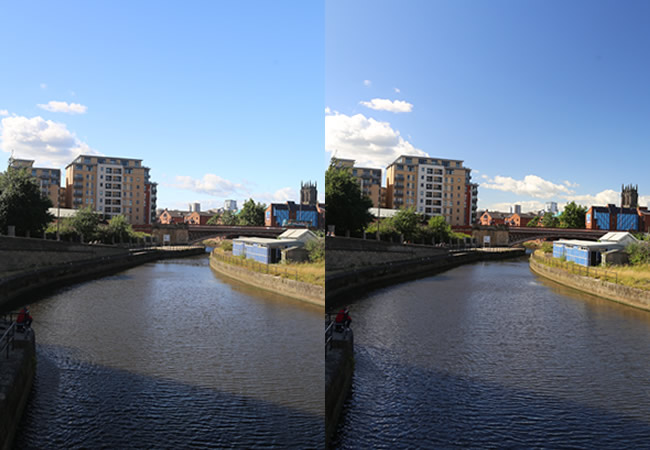
I’ve recently purchased a polarising filter for my camera, so I took it out for a test run. You can get quite a difference out in the bright sunlight, though some times it seems to detract from the dramatics of the image. Below is a photo I took of Leeds Canal, with light polarisation on the left and heavy polarisation on the right.

The fly and clouds come out with a lot more texture in the one on the right, and it’s difficult to see at this size but the water goes from a horrible grey to a beautiful blue too.
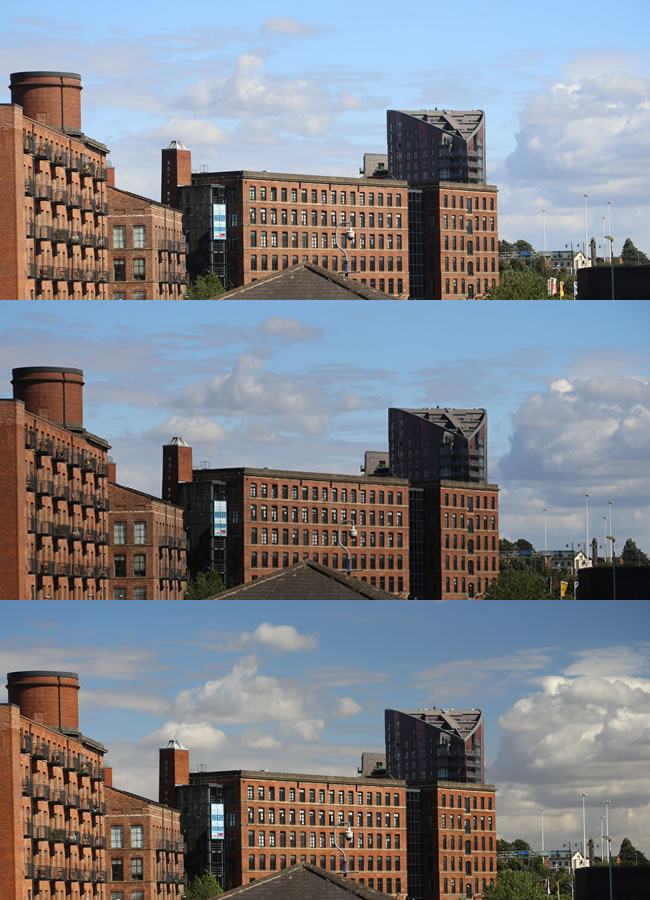
At first, it felt a little like just under-exposing the photo though. If I wanted to prevent the cloud detail from blowing out, surely all I had to do was drop the exposure a little. But of course that isn’t the case, as can be seen in the photos below.

In the top two photos, I haven’t used much polarisation. In the top one I’ve used the camera’s recommended settings, and in the second one I’ve sped up the exposure a few notches. In the third one I’ve put it back to the camera’s recommended setting, but used heavier polarisation.
As you can see in the third one, I’ve obtained the rich detail of the cloud, while still maintaining the vibrant face of the building, and captured much more detail from the block of flats behind it too.
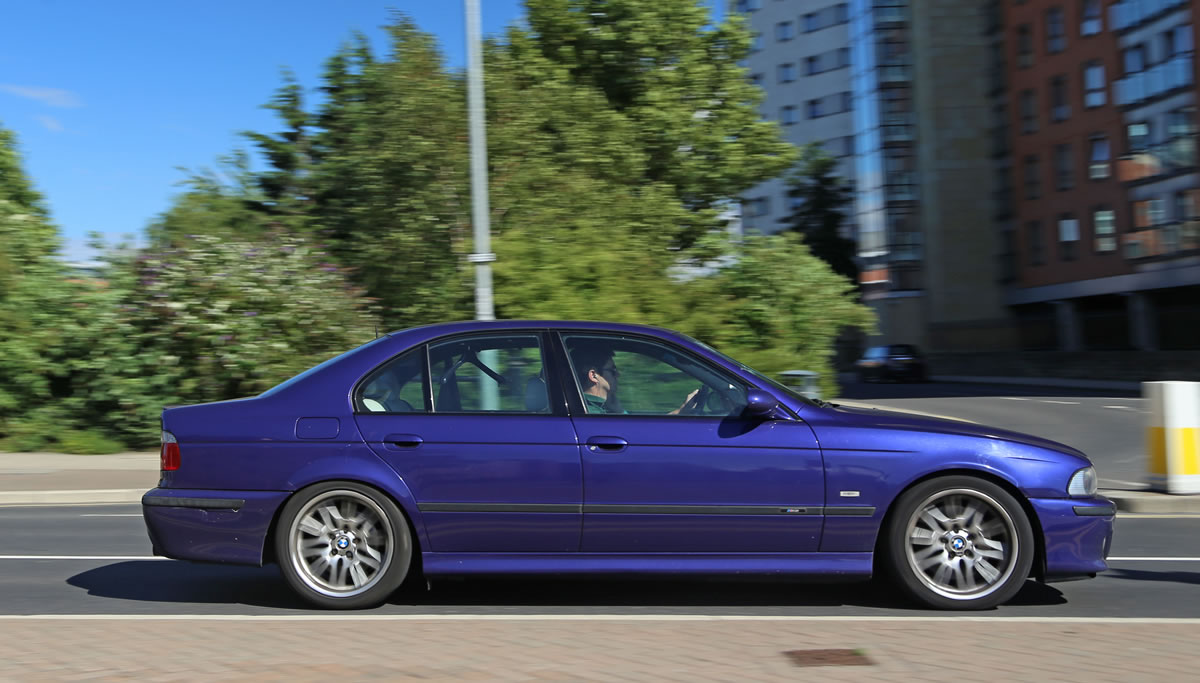
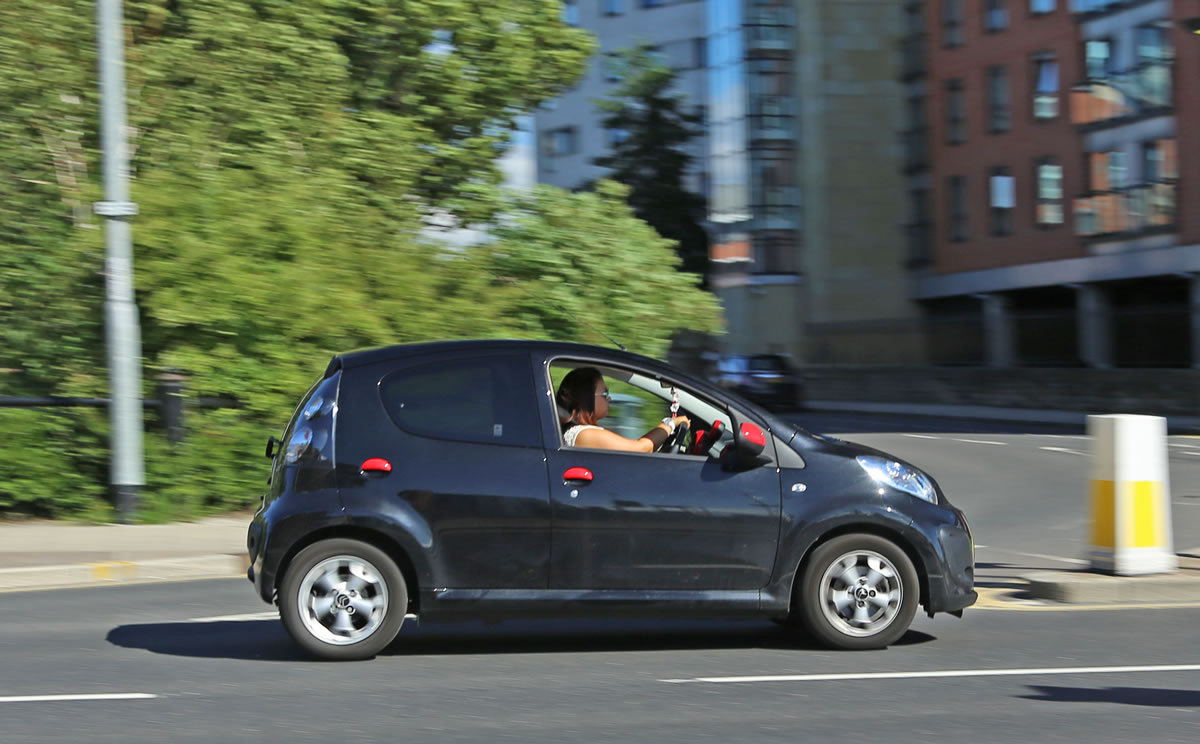
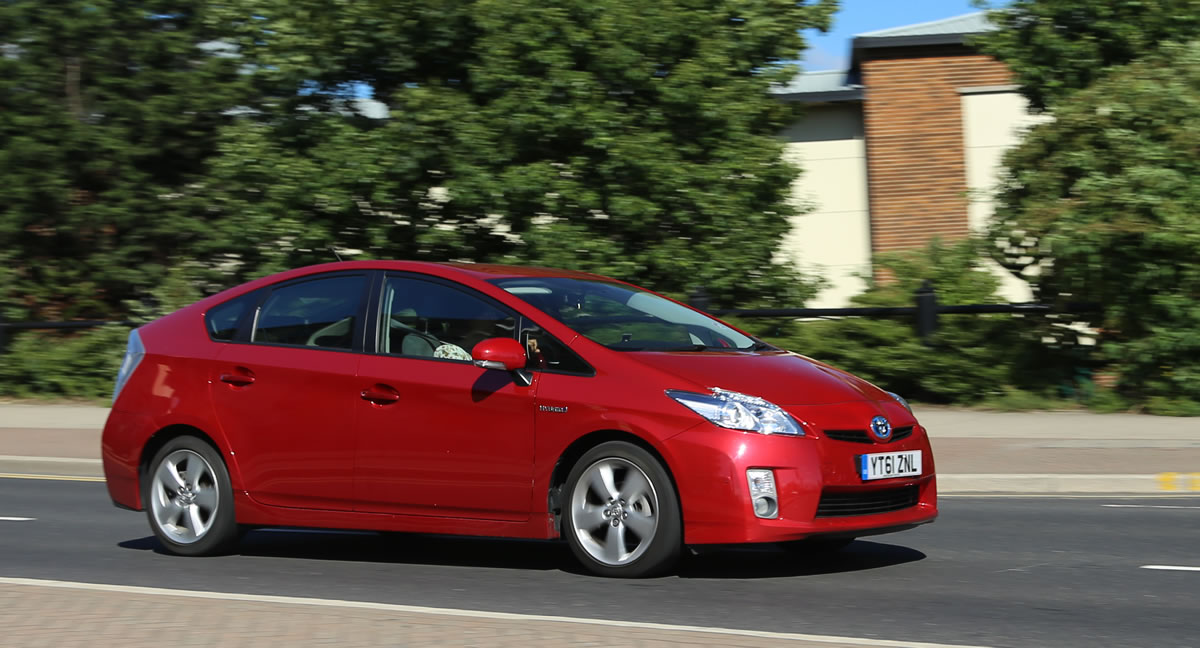
I tried my hand at panning so that I could capture cards speeding by. The idea behind the technique is that you pan the camera as the car drives past, thus blurring the background while keeping the car in sharp focus.
I was using my 24-105 f4 lens. Ideally I would have had my 70-200 f2.8 so that I could blur the background even more, though whether I could get down to f2.8 and still keep an exposure of 1/200 I’m not sure. I got better results when I turned off my image stabiliser (because the camera stops trying to fix my panning), but my better lens also has a specific image stabilising mode for panning, so I would like to give that a go.
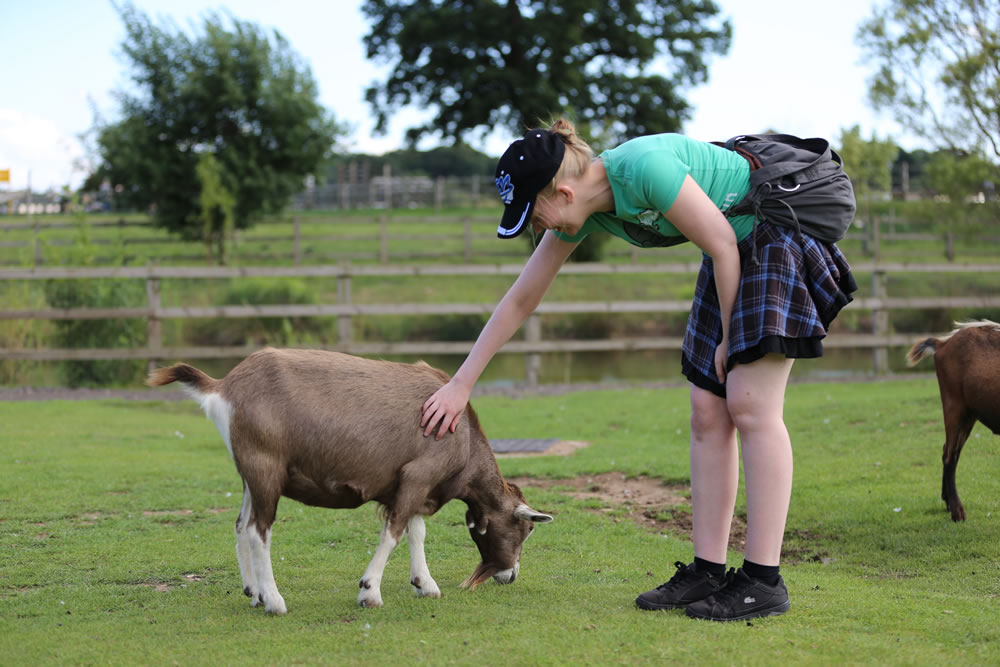
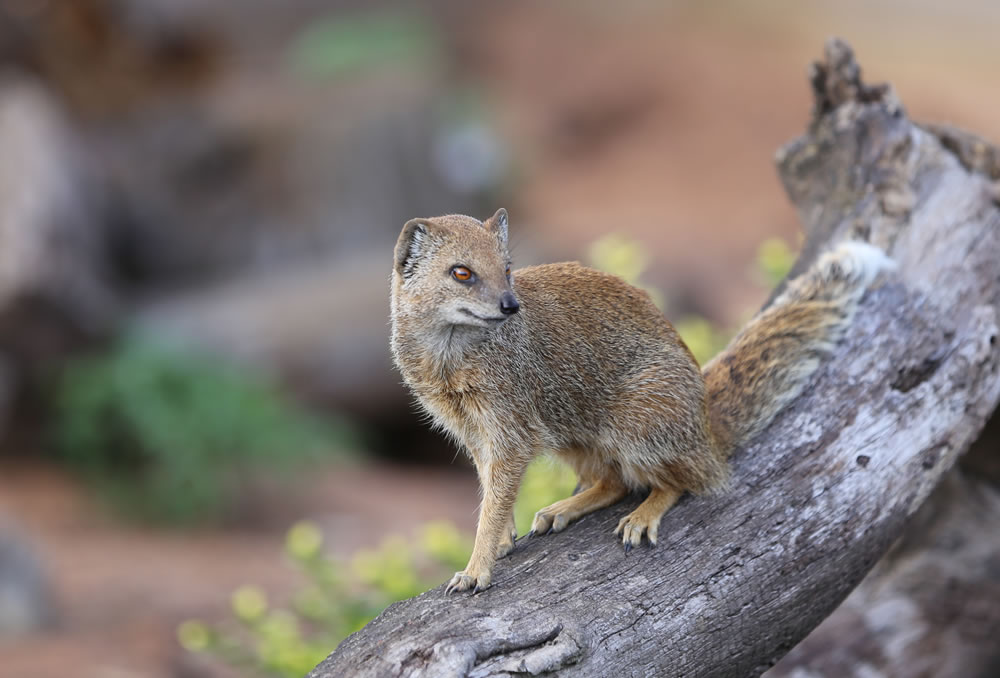
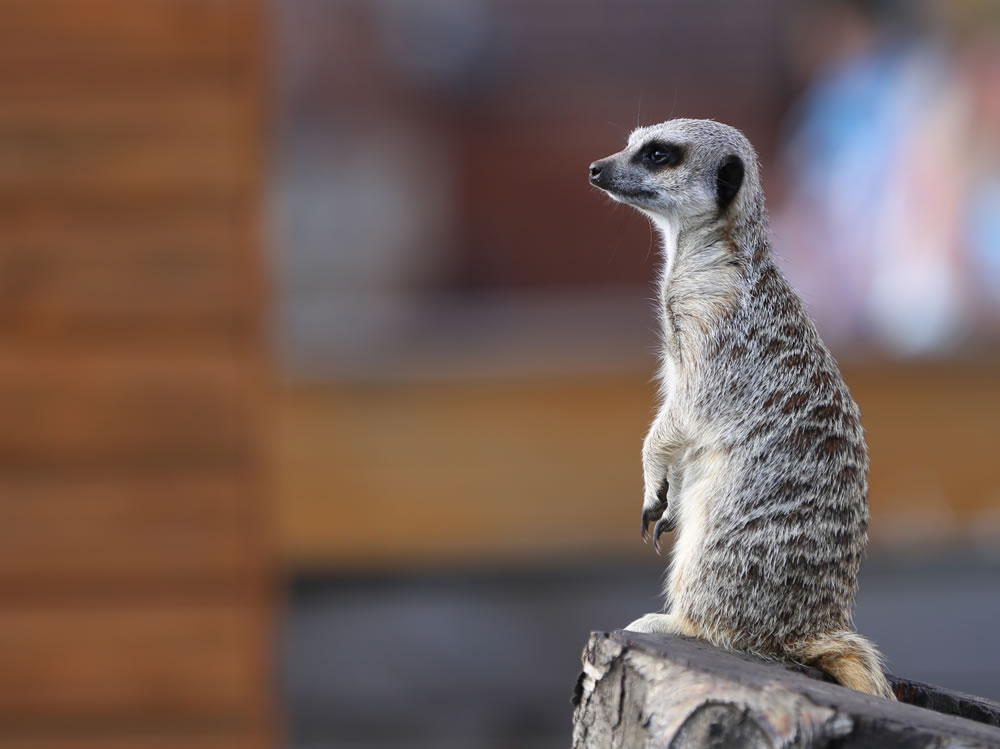
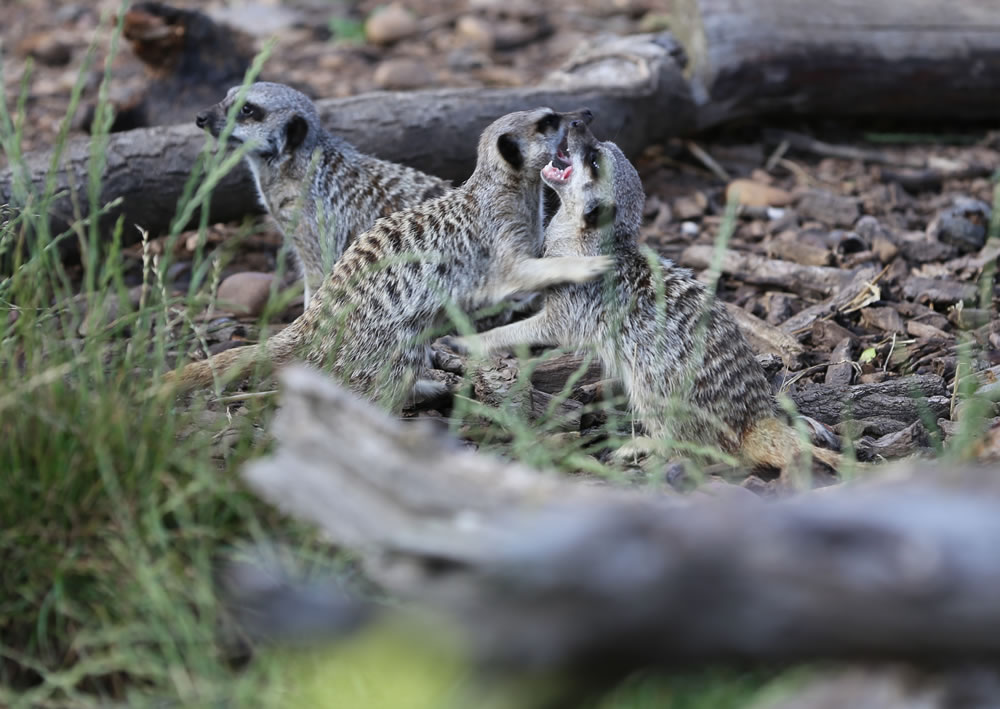
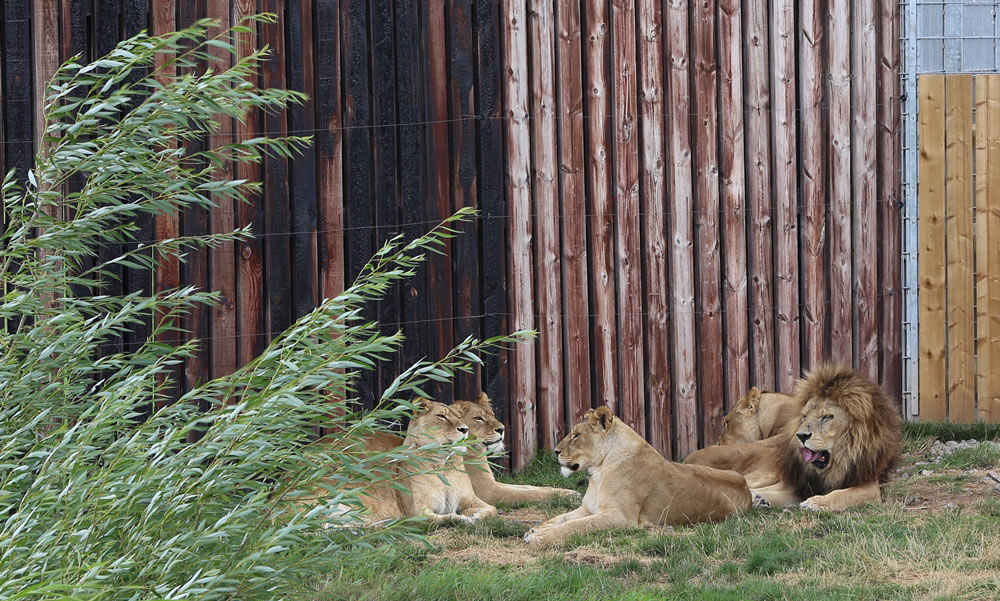
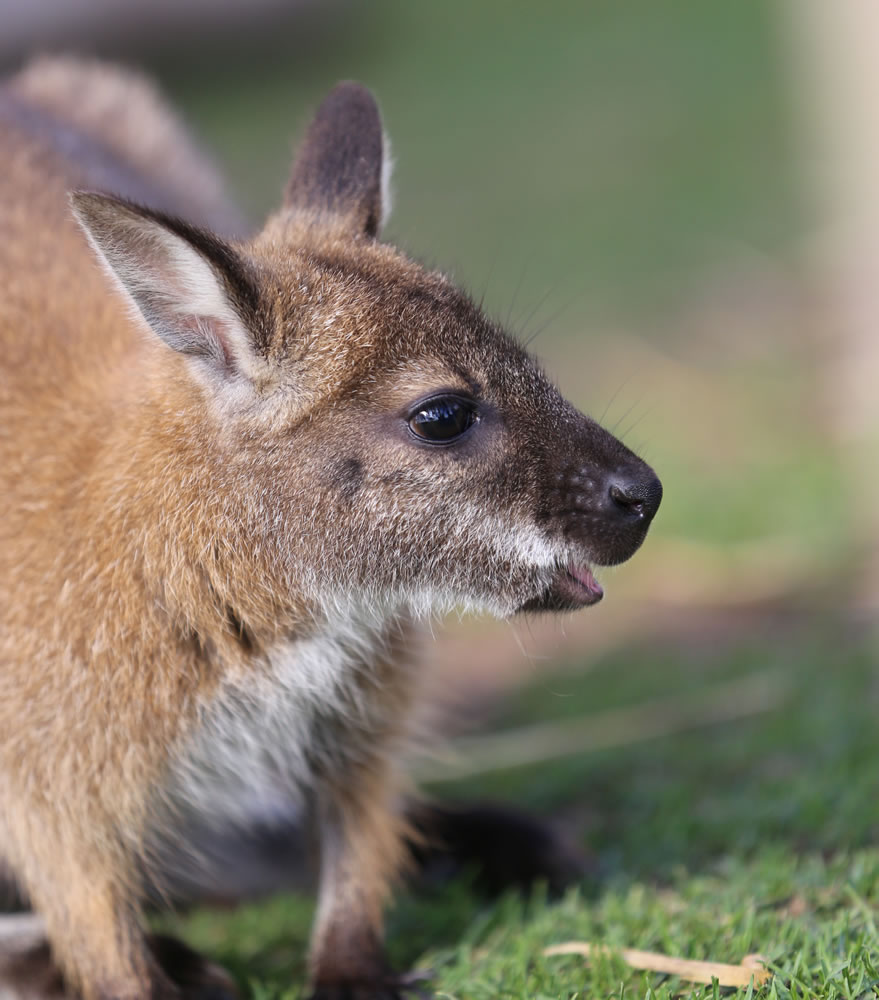
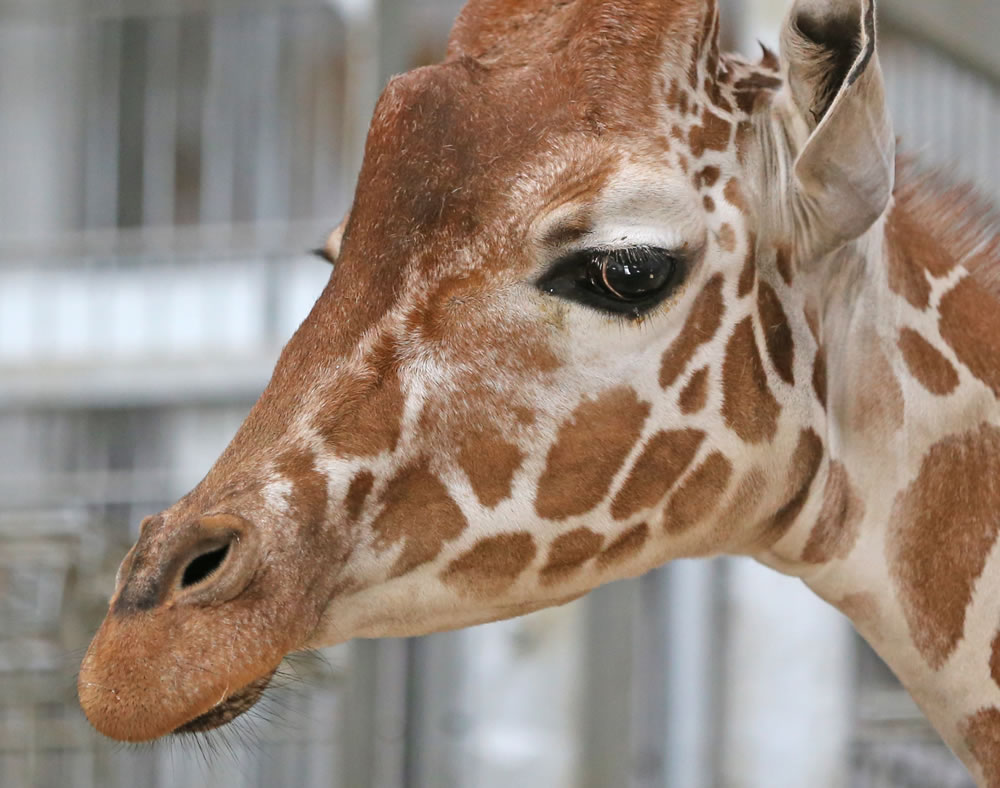
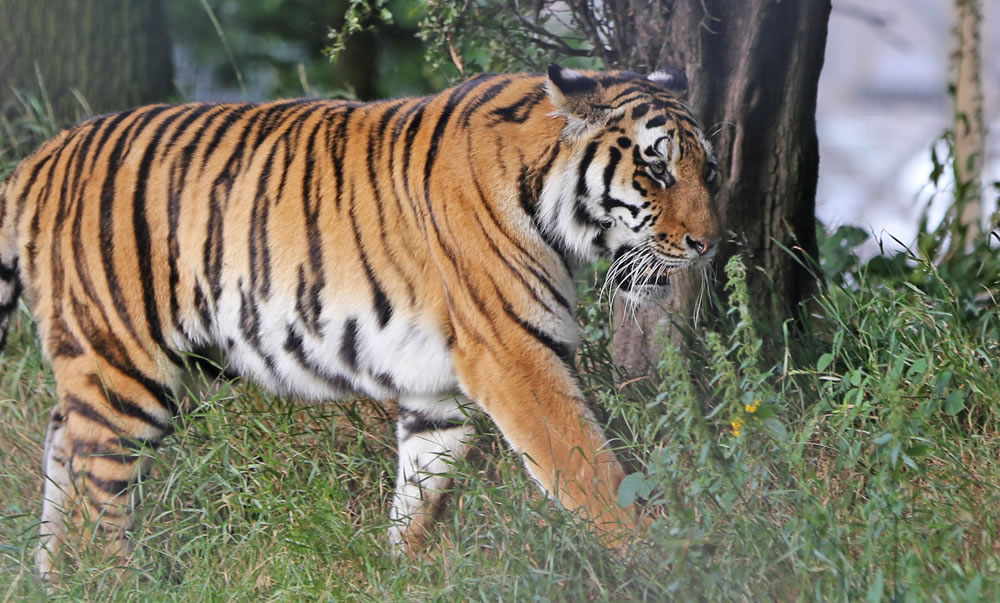
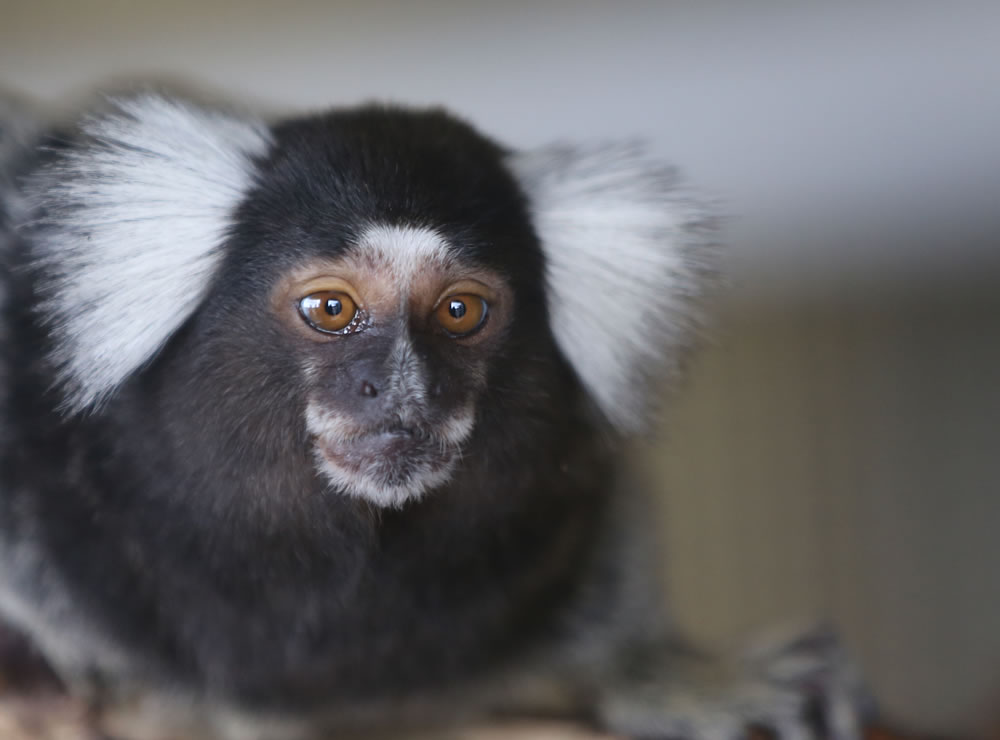
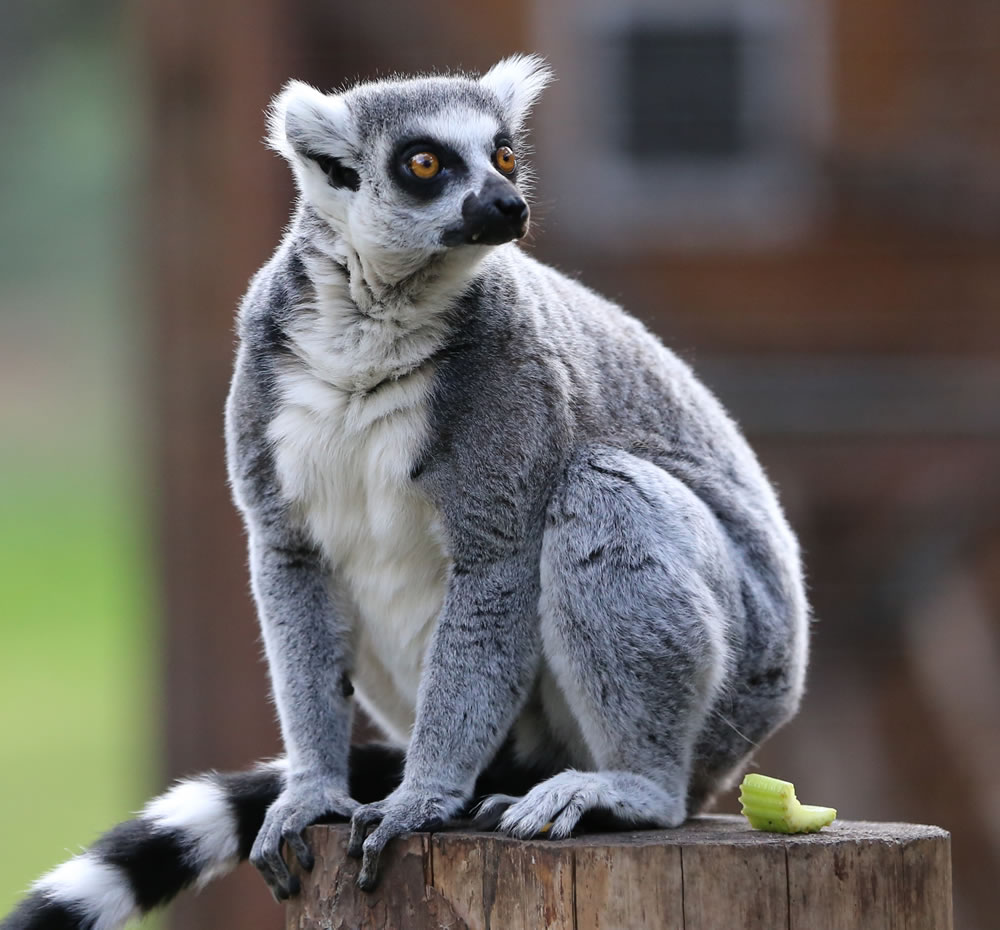
Earlier this month, we headed to Yorkshire Wildlife Park. It’s fairly small, no where near the size of Chester Zoo or even Helsinki Zoo, but it does have “contact areas” in which you can go in and pet the animals.
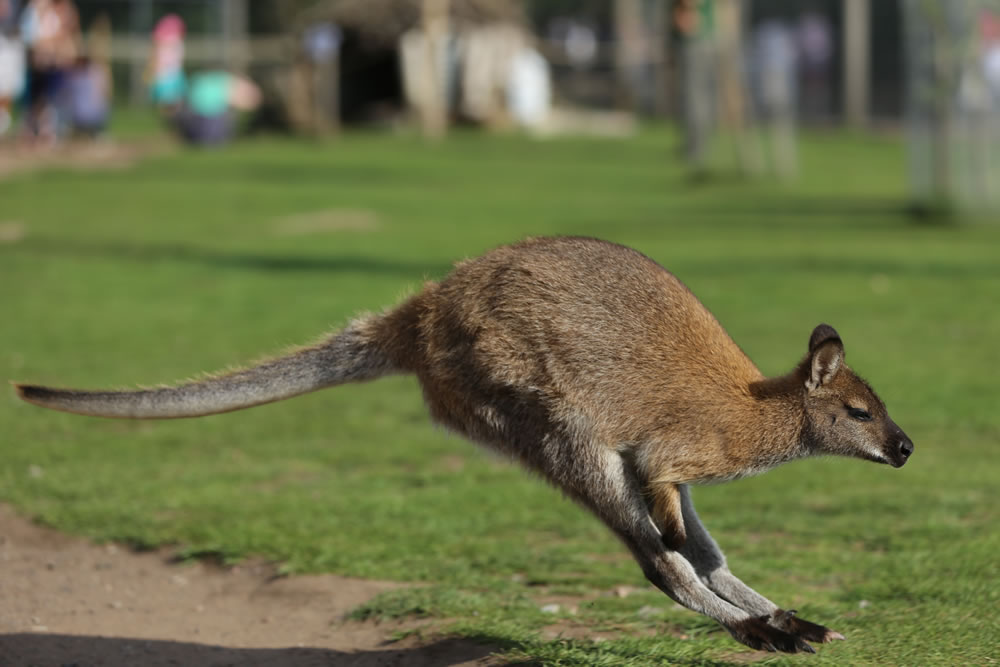
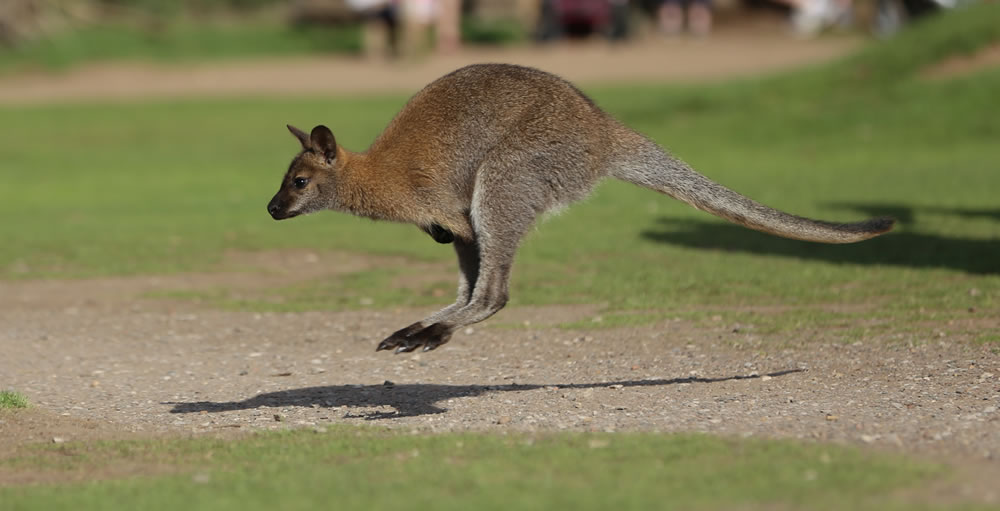
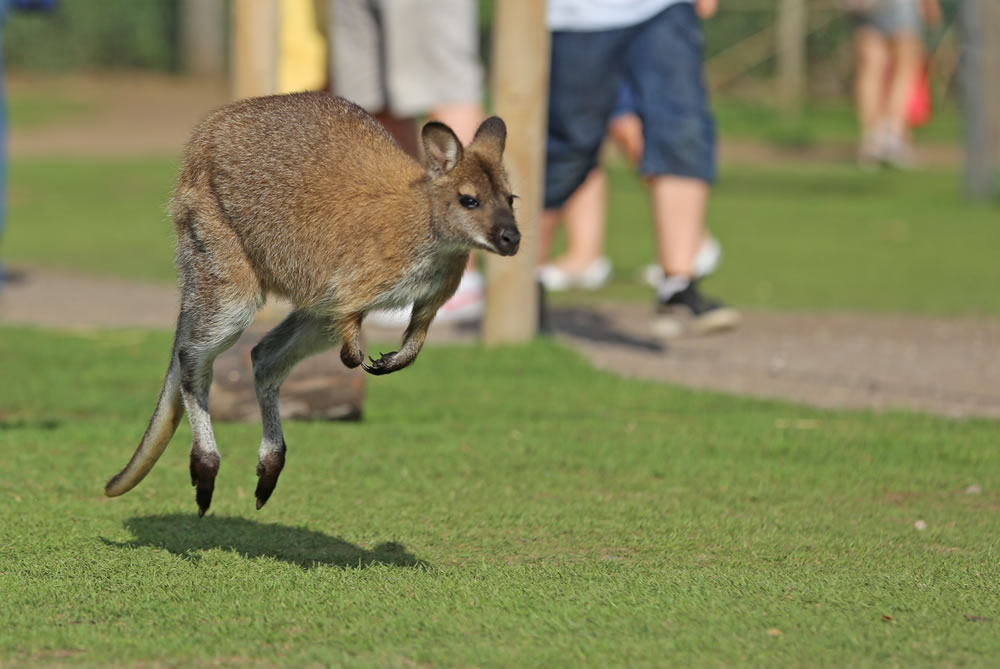
A wallaby comes jumping across the path.
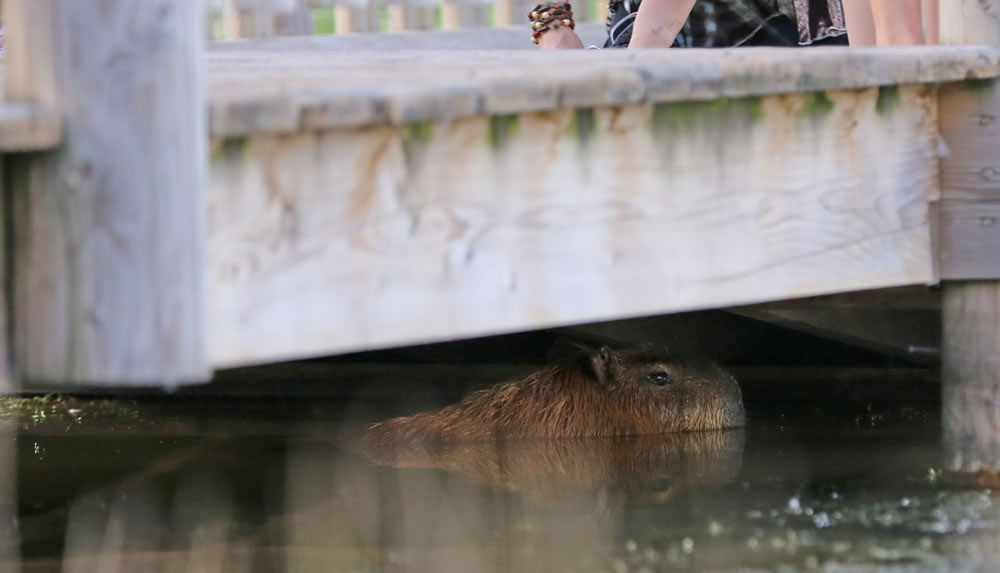
A capybara hides under a bridge after it was chased into the water by a rhea.
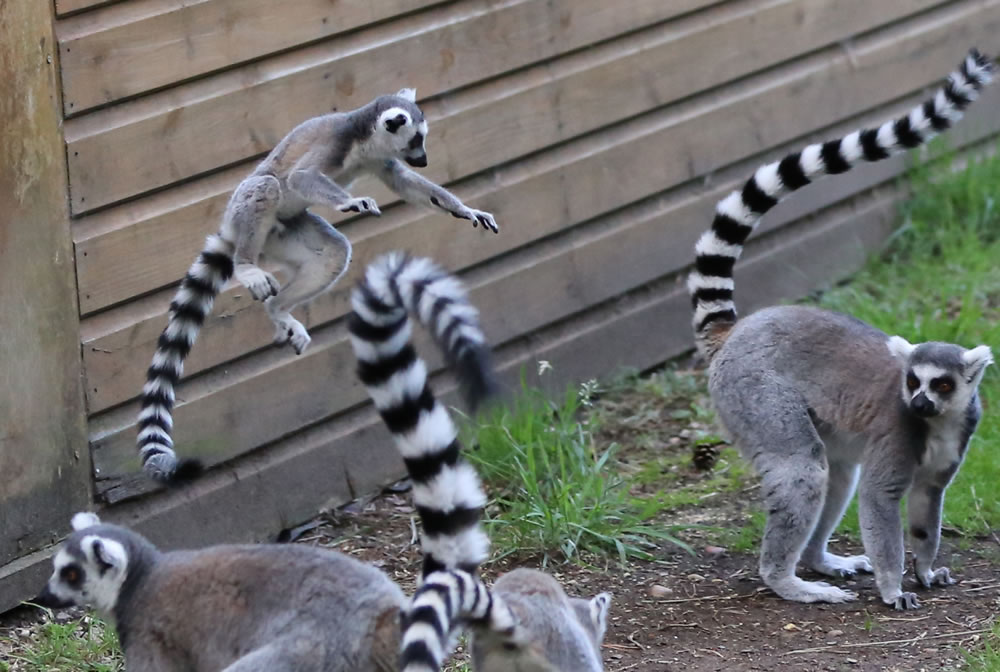
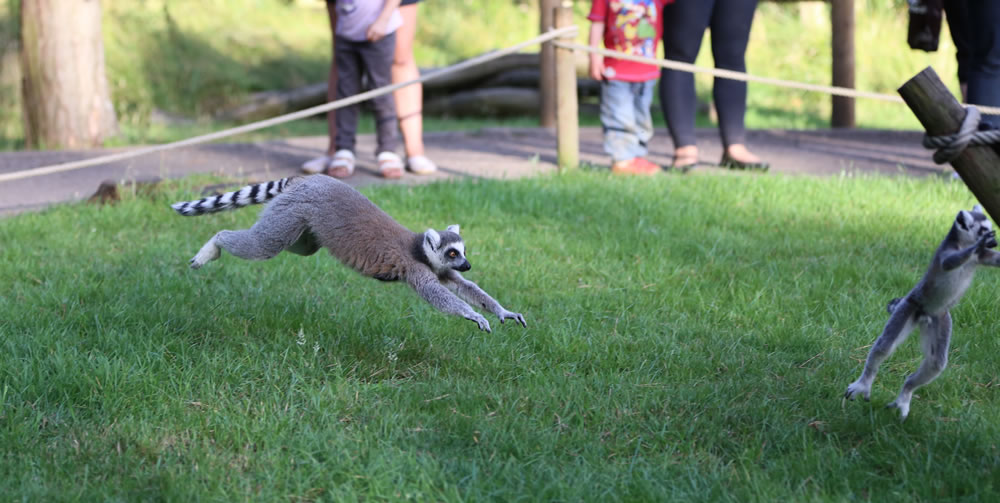
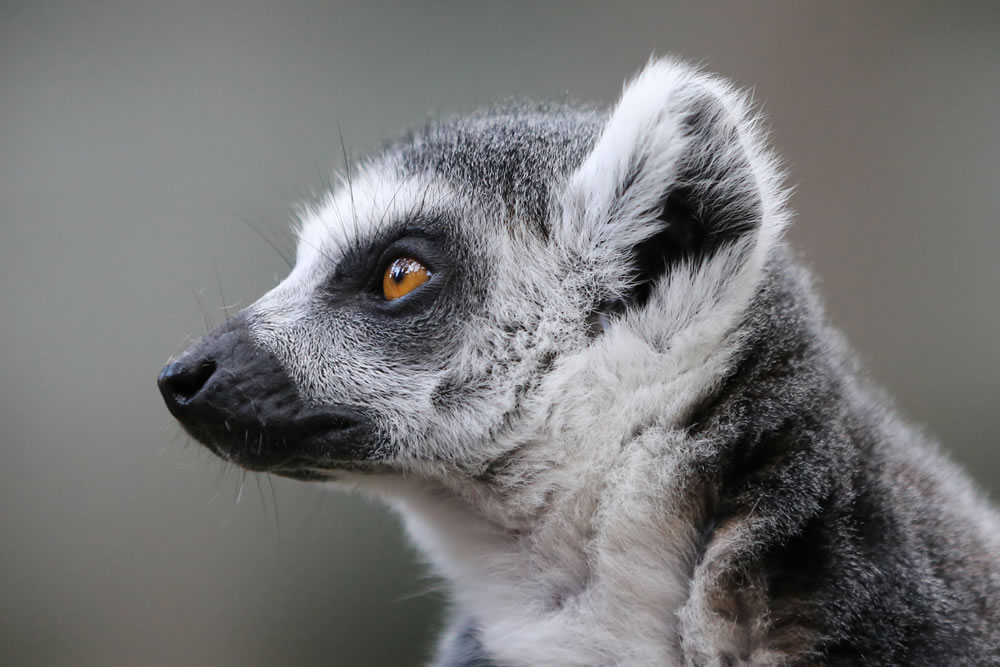
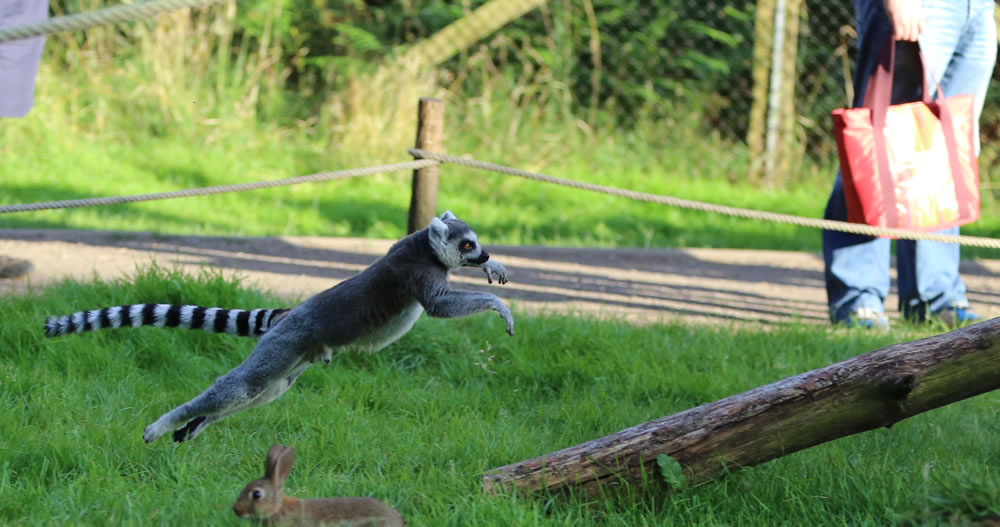
A lemur diving through the air.
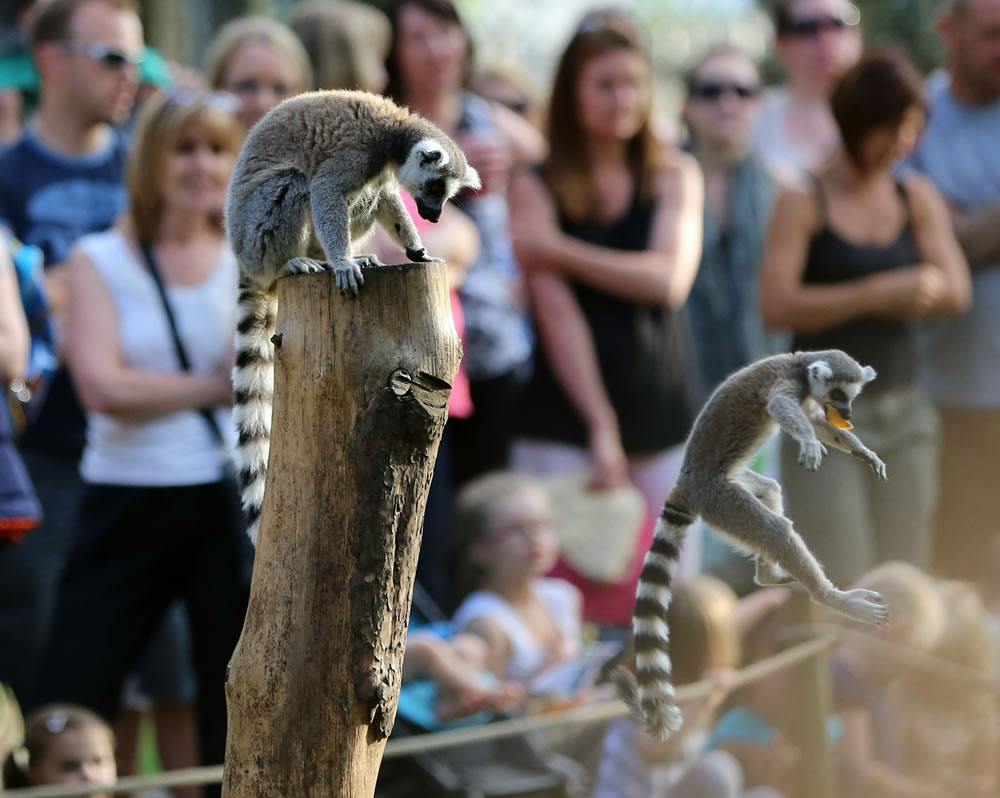
A lemur jumping off the top of its house.
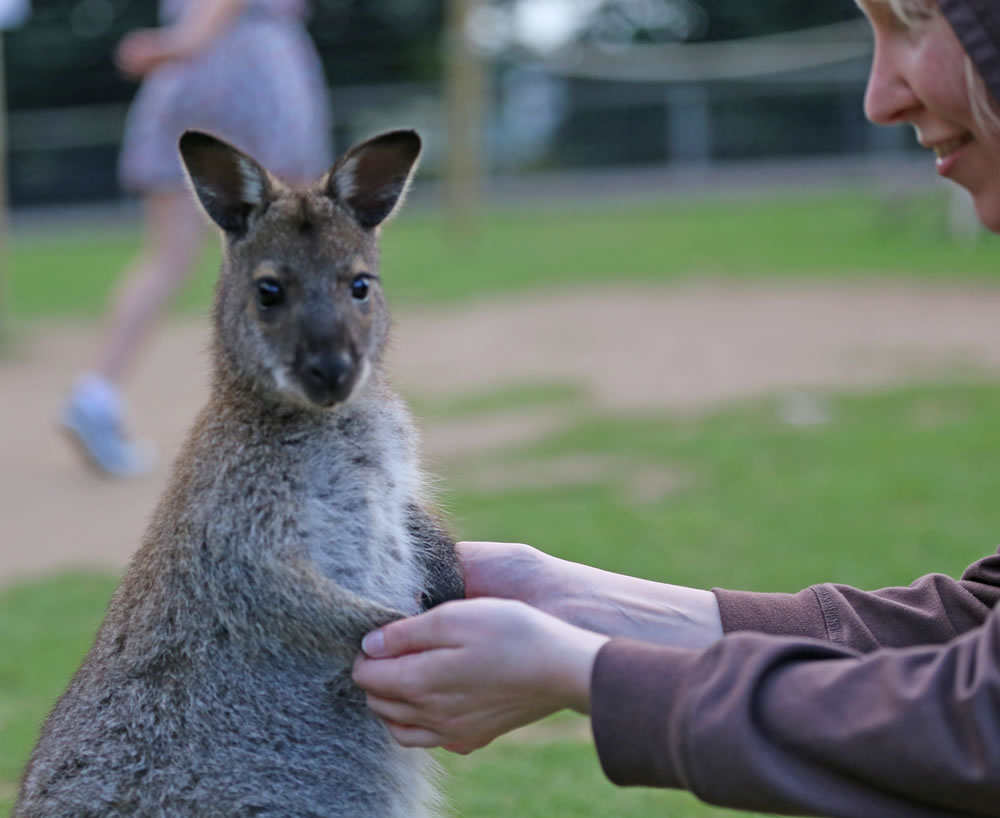
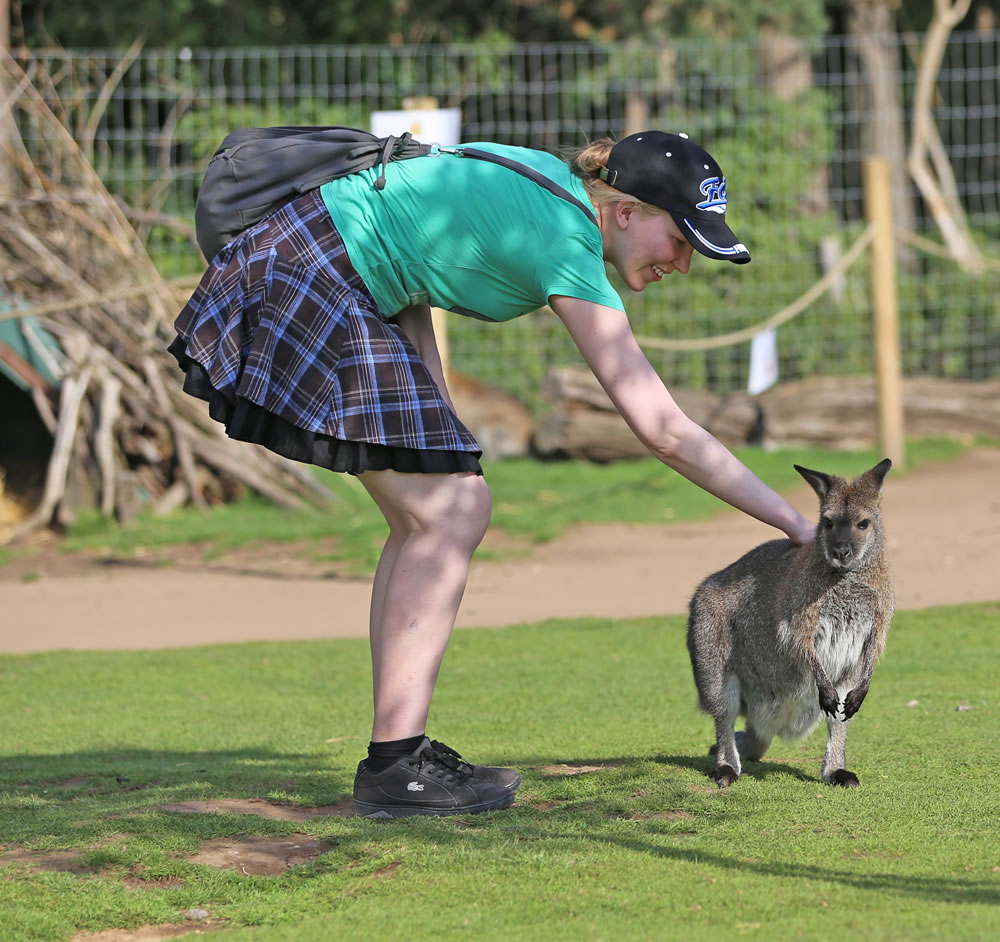
Elina holding hands with a wallaby.

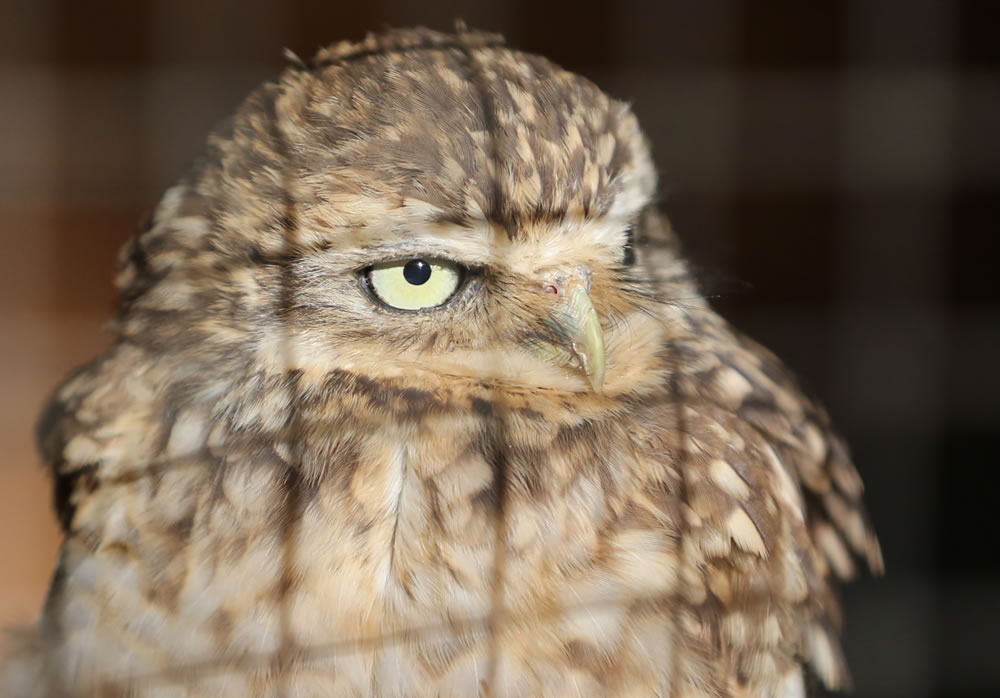
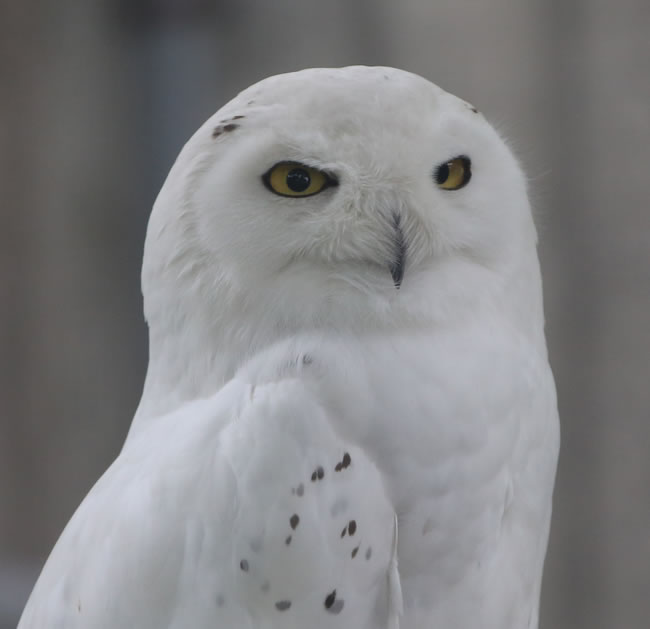
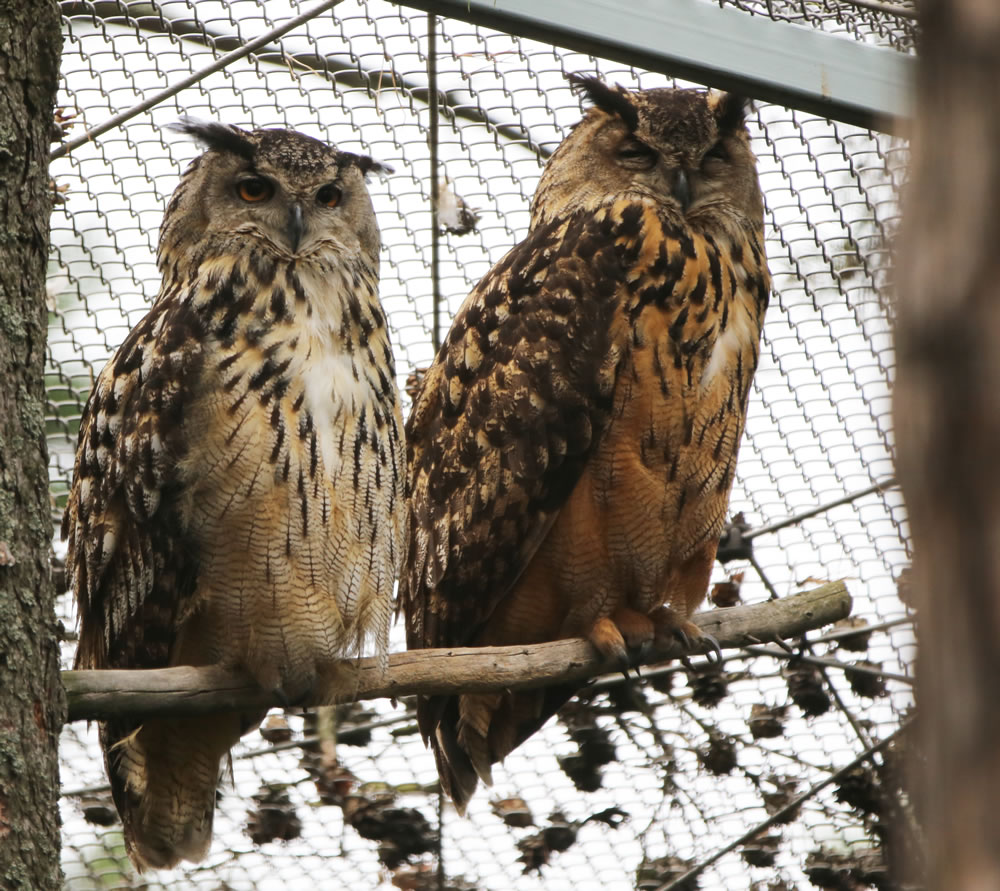
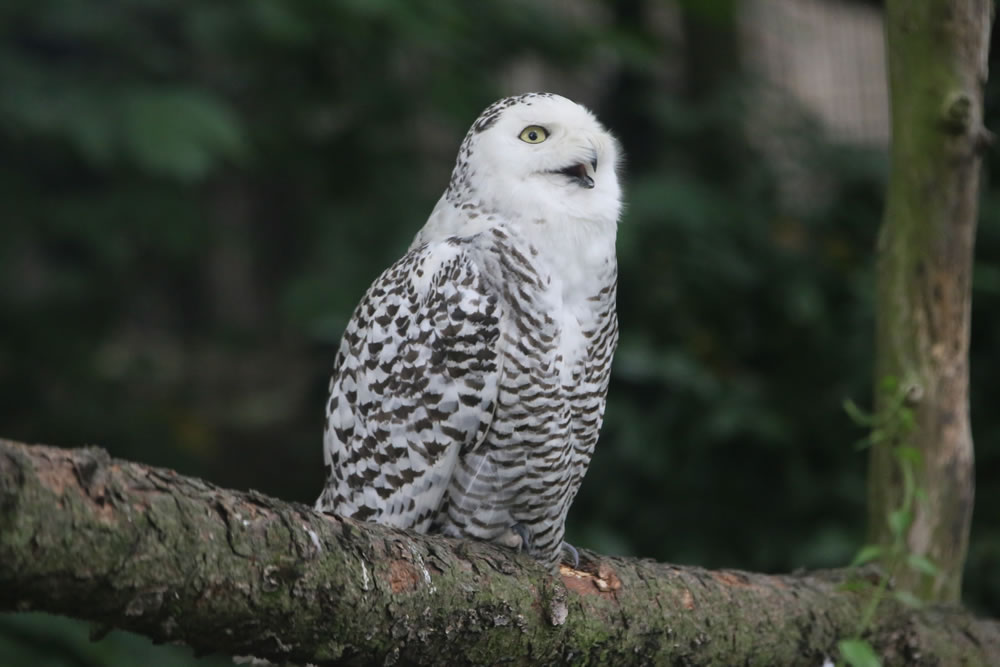
Owls are such posers.

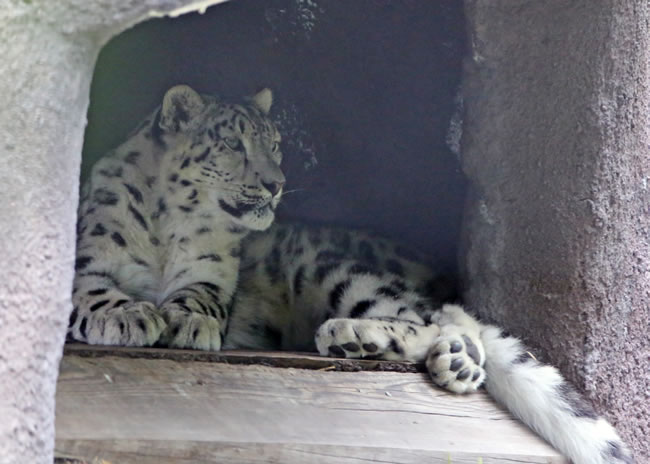
This photo was really dark, but trusting my histogram, when I brought it into Photoshop the detail came out far better than I was expecting.

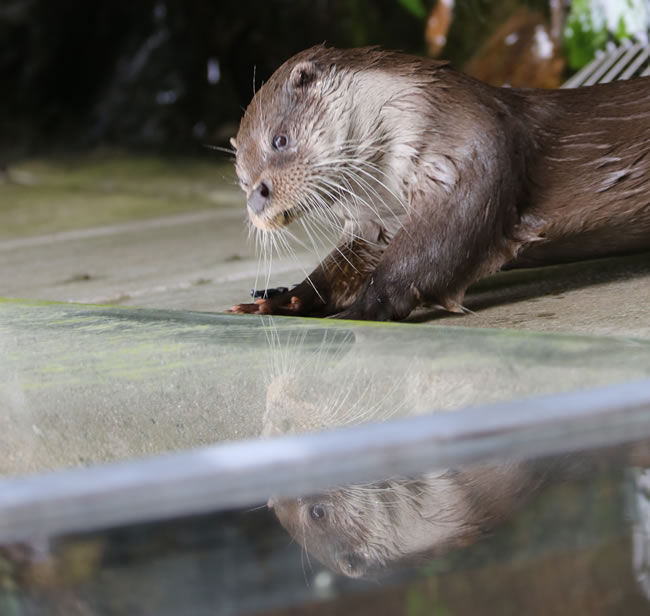
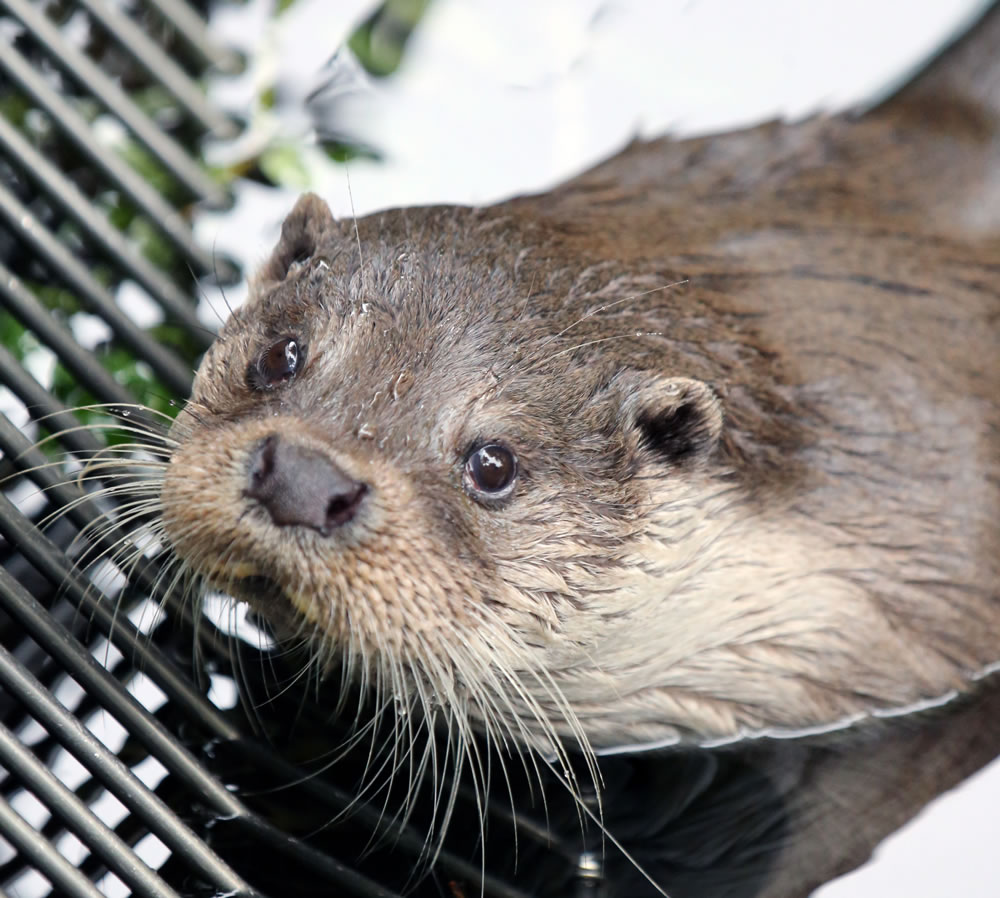
An otter staring at his own reflection.

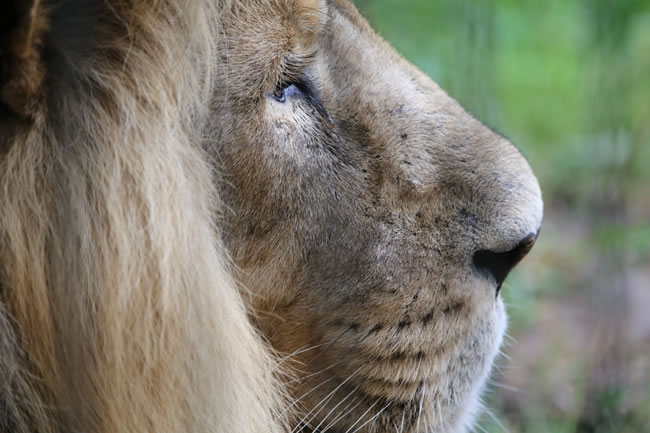
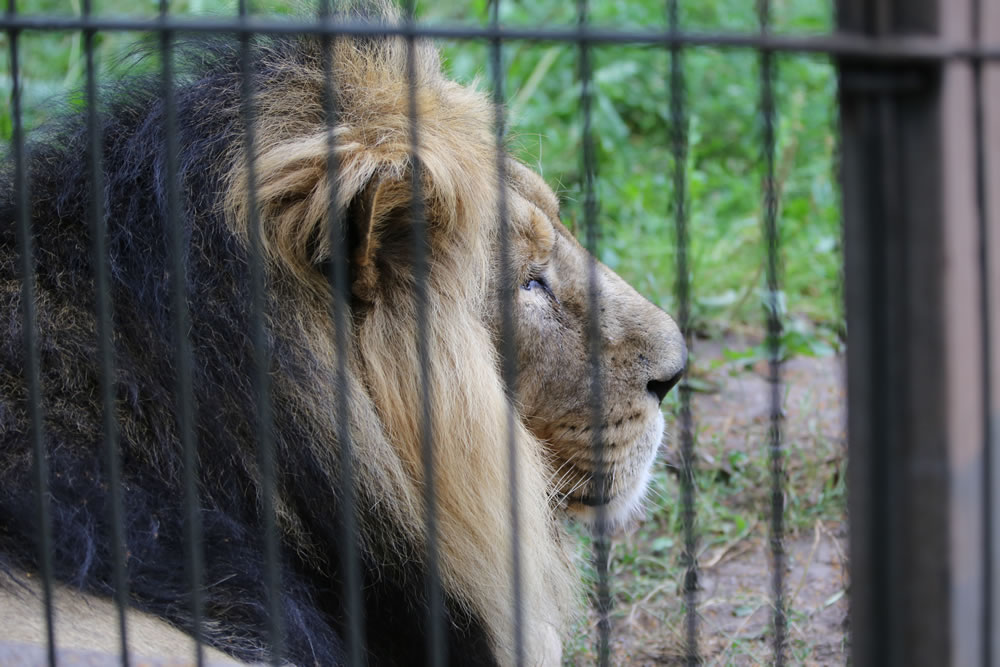
This lion was sleeping right next to the fence, then woke up and stuck his head up just long enough for me to take a photo.

This was through glass, but luckily it didn’t get in the way of his eyes.

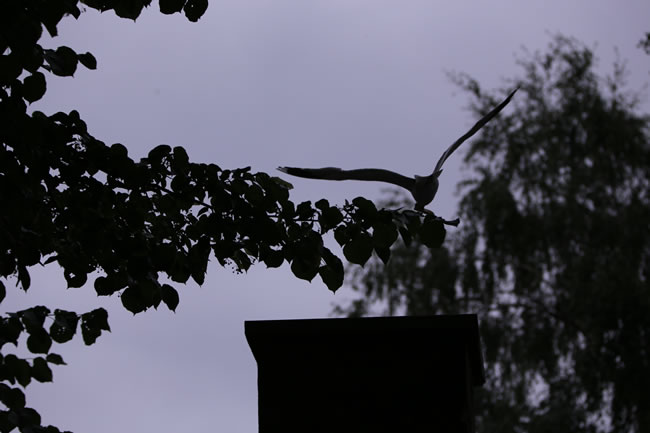
This was just a gull, but I took this photo after it had just snatched some food and flown off with it.