As you may know, Garmin have had a massive outage. It went down Wednesday night/Thursday morning and started coming back online on Monday, so 4-5 days. It took out their website, call centres, Garmin Connection, production line in Taiwan and even services like flyGarmin and Garmin Pilot.
Garmin’s software is awful at the best of times. Syncs constantly fail with the Garmin Connect mobile app, there are a bunch of bugs in their website that have lastest years (I still can’t see my swim from Wetherby Triathlon) and a lot of stuff crashes and does not work as it should. Hopefully, this will be a kick up their ass to make things better.
As a result, this has put a lot of strain on the things that rely on Garmin.
I managed to record my World Triathlon Leeds virtual event and earn my certificate. I was less lucky with Ironman VR16. Unusually, Ironman was on the ball and extended the deadline but technical problems at Garmin’s end with synced rides going missing and activities not reporting correctly meant I gave up after an hour of messing around. Thanks for that, Garmin. Still, even if I do not have the badge, I know I was a VR16 finisher in my heart.
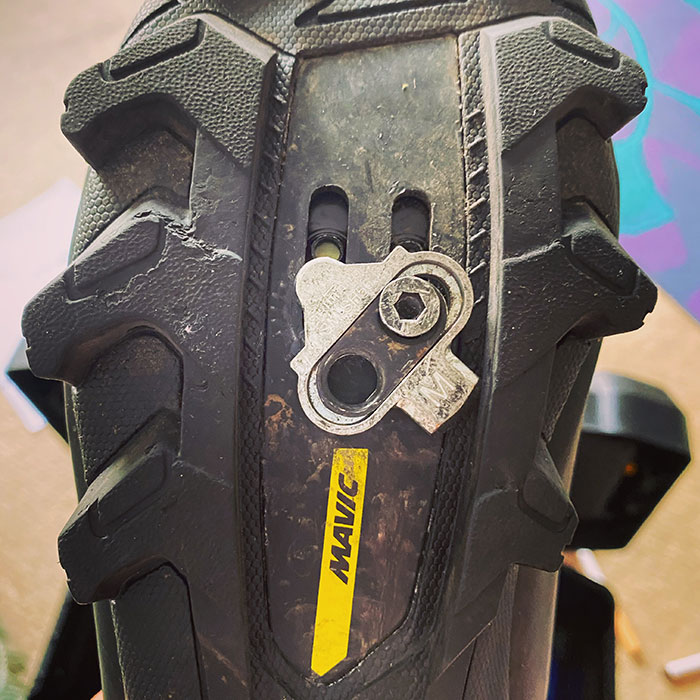
The cycle was particularly challenging. I did 120 km, but a third of the way through a bolt fell out of my cleat (see above) and I had to do the last 3.5 hours with one foot clipped in and the other riding the flat side of the pedal. Thankfully, there were no major climbs or descents.
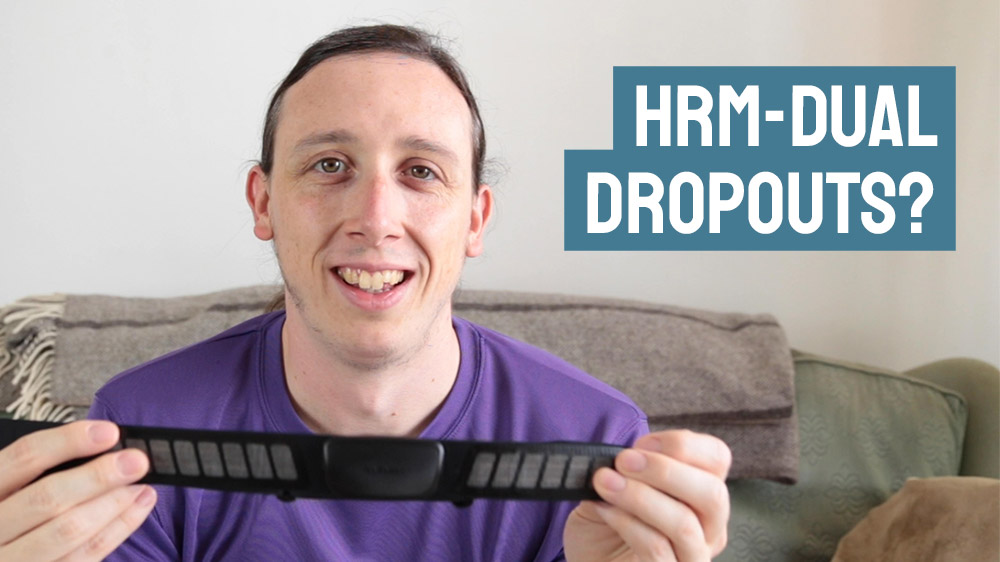
A few weeks ago I reviewed the Garmin HRM-Dual and said that it was okay. Since then, I’ve been seeing dropouts in the Bluetooth connection that don’t seem to occur on my other devices, including my Polar H10. Here’s an updated review:
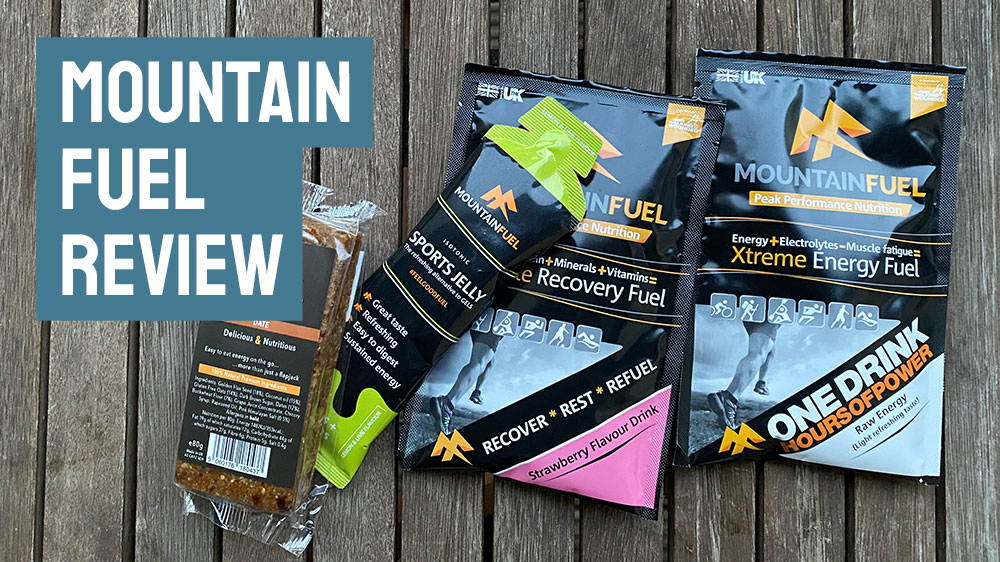
Mountain Fuel is a British endurance nutrition brand making products for runners, cyclists, triathletes and endurance racers at large. In this video, I’ll review their jellies (an alternative to energy gels), Extreme Energy drink, Ultimate Recovery drink and flapjacks to see how they stack up against Science In Sport, Torq, High5 and other brands.
Learn Slim microframework with my new course. You will build your first six projects including a searchable music catalogue, e-commerce project listings and member login and authentication system. Watch the course trailer below or preview the course.
Back in March, I announced Covidman self-supported triathlon to train for while everything else was cancelled. It took a back seat during GVRAT and would have been replaced by Dalesman if it had not been cancelled two weeks after being announced. But now it’s back on.
With one tweak, however. I’m changing the name. Covidman made sense back in March as a symbol that through all of the changes we had to make to keep people safe, we were still going to enjoy life and do what we love.
But the British government hasn’t kept people safe. Excess deaths have now reached over 60,000. It is one of the worst death rates in the world. And, in that light, the name Covidman seems too lighthearted for such a tragic situation. So, I’m renaming it Woolenman in honour of Leeds’s history.
I hsven’t been doing any fast running recently. The endless base miles for GVRAT have been slow plods and Ironman VR14 was an easy run, too.
However, I decided to do VR15 as a brick. Not the full 40 km bike and 13 km run, as I had already done 100 km on the bike the day before. But, as a warm-up, I did a 20 km blast up to Horsforth and back on the bike before setting off on the run.
The first two kilometres were a little sluggish but the rest were down around 4:40 per kilometre, finishing on a 4:05. Total time for the 10km was 47:12, which is one of the fastest 10ks I have ever run. So, pretty pleased with that. Although, there is an important caveat that I took a break at the turnaround point, so it’s technically a Ross Barkley time.
I was originally planning to do the 13 km as one fast block, but after stopping my watch and restarting it for the 3km, I realised I burnt my legs trying to get a good 10k time. So, I finished off the final 3km in a still-not-shabby 5:00 per kilometre.
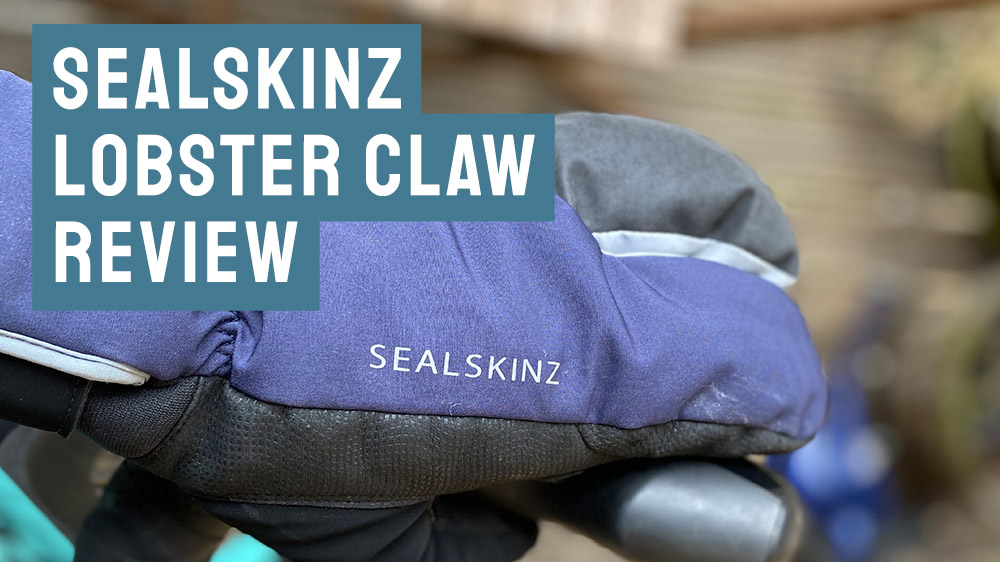
It’s not quite a glove and it’s not quite a mitten: the Sealskinz split finger glove, also known as the lobster claw, is my go-to glove when the weather gets really cold. But it also broke really easily. Here is the video review:
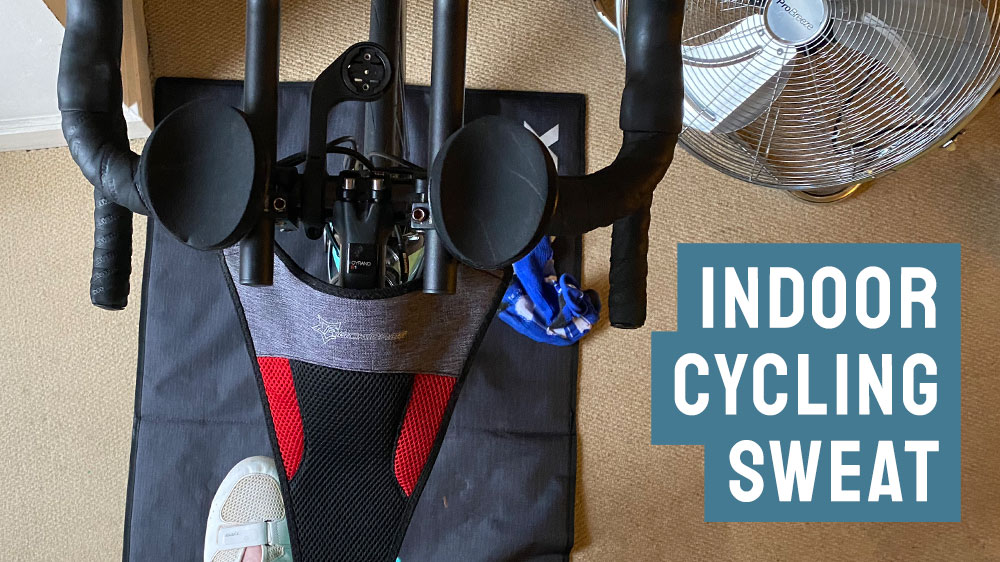
How do we avoid drowning in our own sweat when indoor cycling? If you use a turbo trainer, you will probably be familiar with it being one of the sweatiest things you can do. In this video, I’ll give you five ideas for making it manageable.