Posts Tagged ‘autism’

AuDHD assessments

Friday, March 27th, 2026 | Business & Marketing

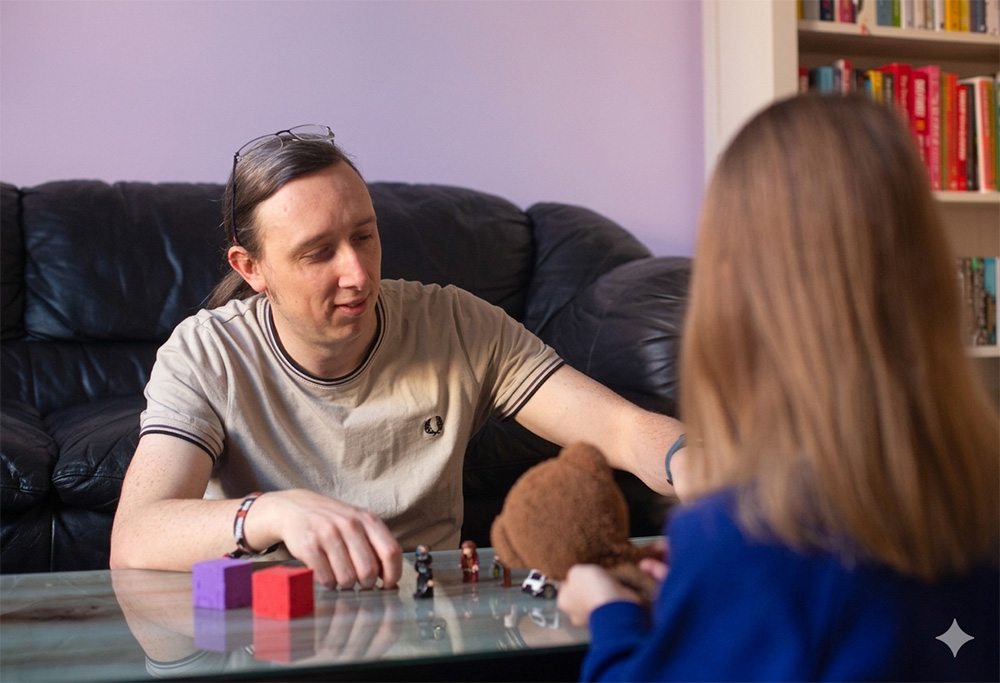
Leeds Autism Practice is now officially offering AuDHD assessments. It is something we have been working with for a while so it made sense to publicly shout about it a bit more. Currently, our AuDHD assessment service is limited to adults which is ironic given the photo above. But Venla and I also look these lovely photos recently, so I’m sharing that, too.

Neuroqueer Heresies

Wednesday, March 11th, 2026 | Books

Neuroqueer Heresies: Notes on the Neurodiversity Paradigm, Autistic Empowerment, and Postnormal Possibilities is a book by Nick Walker. It is a collection of his writings on autism, neurodiversity and Neuroqueer Theory.

In the book, he sets out the case for the neurodiversity paradigm over the pathology paradigm, what we might also call the neuroaffirmative model vs the medical model. Walker argues that just because one way of being seems to be more frequent, that does not mean it is the “correct” way. There are far more Chinese people than British people, but that doesn’t make being Chinese the normal nationality and being British an aberration.

Neurotypical functioning is conceptualised as a social construct: when people were described as “high/low functioning”, what we were really describing was their ability to conform to social standards. Walker makes the case that there is no such thing as a neurotypical brain, but there are people who can conform to neuronormative behaviours in a way that feels natural, and therefore enjoy the privileges of being considered normal. Just as gender is a spectrum, but many people can conform to gender-based norms well enough to enjoy the privileges that are afforded to cis individuals.

Walker also makes the case for a wide definition of neurodivergence. It includes intrinsic neurodivergence, such as autism, but also includes epilepsy, traumatic brain injury, the effects of drugs, or long-term meditation. If our brain diverges from the dominant cultural expectations, it is neurodivergent.

The book explores the difference between disability and impairment: someone may have a specific impairment, but they only have a disability in a social context. If you are deaf and you walk into a room filled with people using spoken language, you are disabled. But as someone who does not know sign language, if I walked into a room filled with people communicating in BSL, I would be the one who was disabled.

Walker suggests that professionals who have spent their lives working in the pathology paradigm find it almost impossible to make the shift to the neurodiversity paradigm. Walker goes as far as to suggest that any professional wishing to work with autistic individuals should have to have training from an autistic person who themselves is well-versed in autistic culture and the neurodiversity paradigm. This seems very reasonable given the importance of lived experience that we now recognise in many areas of society.

The journey here is a familiar one: being gay has gone from a mental illness to acceptance, and then to an understanding of the damaging impact of dominant social ideologies on minorities. Neurodivergence is going through this same process. As a community, we are building a culture, claiming an identity, and speaking out against the deficit model. Walker brings this together in the practice of neuroqueering: queering social norms as to how our brains should behave.

Child autism assessments

Tuesday, February 17th, 2026 | News

Leeds Autism Practice is excited to announce we’re now offering autism assessments for under 18s. These aren’t bookable online yet, but contact us to for availability. You can also read more about the process on the Leeds Autism Practice website.

The Female Profile of Autism

Monday, June 16th, 2025 | Books

The Female Profile of Autism: A Guide to Clinical Assessment is a book by Isabelle Hénault and Annyck?Martin. It suggests its intended audience is both clinical professionals and autistic women looking to understand how autism presents in women and what the assessment process looks like.

It has three parts. The first talks about autistic experience in the third person. The second is a narrative written by Martin about her experience of discovering she is autistic. Part three is some guidelines for clinical assessment.

I wasn’t too sure what to make of the book. There is clearly a lot of relevant clinical experience here. But is it neuroaffirmative? I’m not sure. It’s not medical model but it’s not the language I would expect to see in a new book. However, it was written in French and then translated to English, so it is fair to say some of the language may have got off point in translation.

It also leverages the work of Tony Attwood a lot. Now, Tony Attwood is a legitimate bigwig with his own Wikipedia page. But some of the language is like “and the magnificant Tony Attwood says…” as if he is the Wizard of Oz. Maybe he is; I’ve not met him. But I would like a clinical book to reference research and integrate ideas a little more. And again, maybe some of this is the translation.

The assessment guide provides a lot of useful questions. I would tweak the language to pathologise a little less, but the questions hit on the relevant issues. Overall, I would say this is a useful book for clinicians working with autistic women and girls.

Under the Radar

Wednesday, May 28th, 2025 | Books

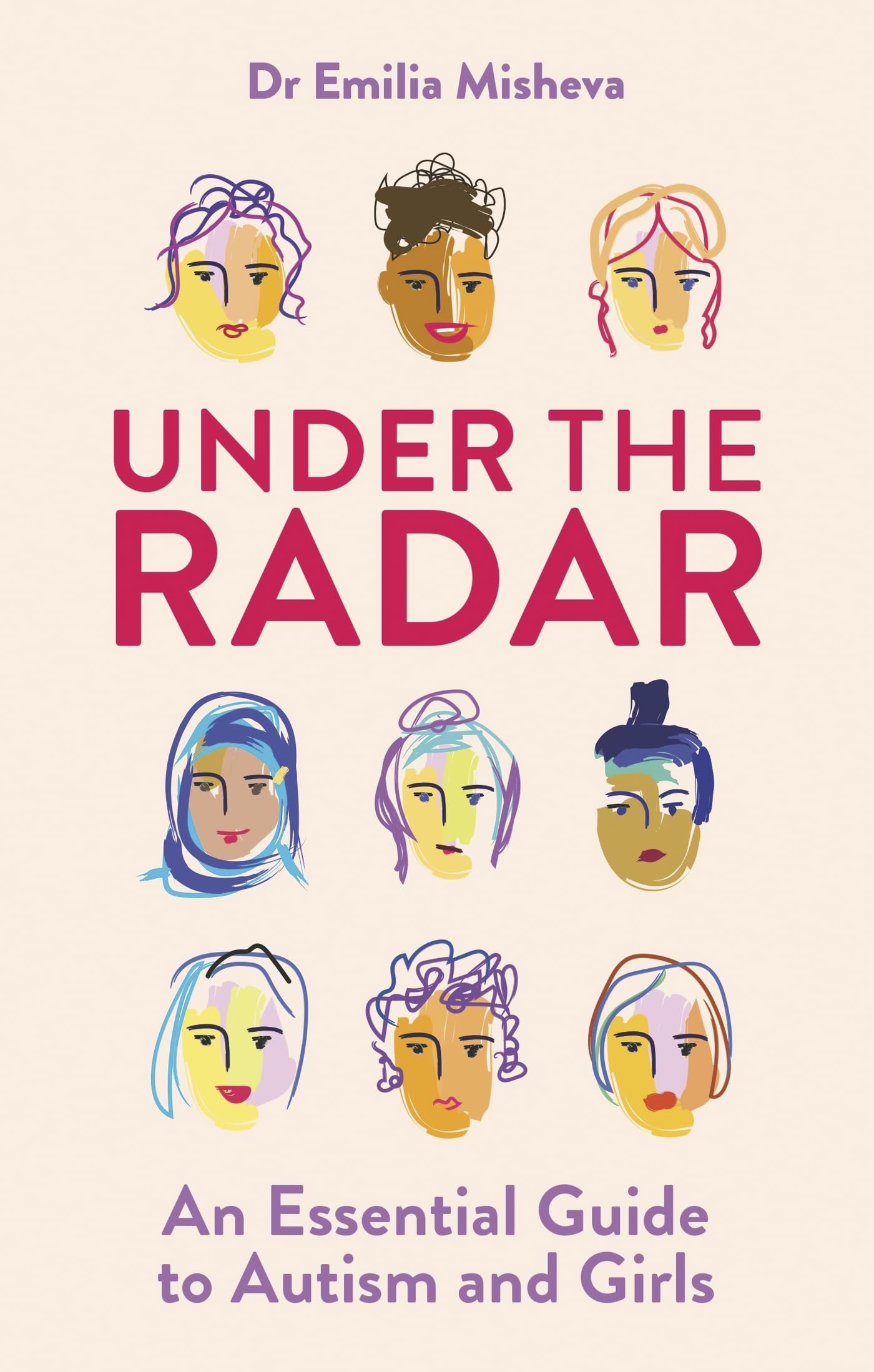
Under the Radar: An Essential Guide to Autism and Girls is a book by Dr Emilia Misheva.

It’s a short book at arounf 140 pages which makes it a nice easy read. There are not enough short books in the world. It is written for a general audience and would be a good read for anyone looking to understand a lot of the key issues for autistic girls. Clinicians might want something a little more technical but it would still be a good overview.

The Adult Autism Assessment Handbook

Monday, May 26th, 2025 | Books

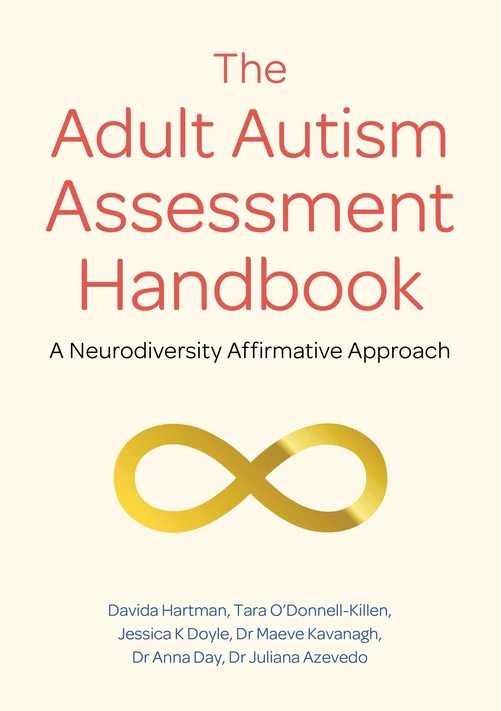
The Adult Autism Assessment Handbook is a clinical guide to carrying out autism. It is written by Davida Hartman, Tara O’Donnell-Killen, Dr Anna Day, Jessica K Doyle (Author), Dr Maeve Kavanagh, & Dr Juliana Azevedo, most of all of which are connected to the Adult Autism Practice of Thriving Autistic.

Although it is typically a guide to assessment, it’s a brilliant book to help anyone understand autism. It has a guide to neuroaffirmative language, in-depth explanations of what it is like to be autistic, up-to-date research on models of autism, a critique of current autism assessments and a guide to conducting collaborative assessments neuroaffirmatively. Well worth a read.

The Lost Girls of Autism

Sunday, May 25th, 2025 | Books

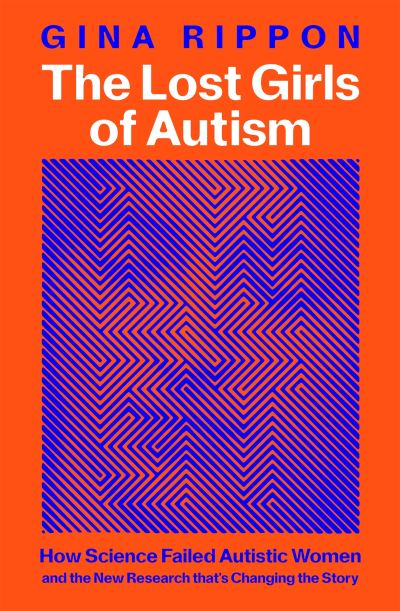
The Lost Girls of Autism: How Science Failed Autistic Women and the New Research that’s Changing the Story is a cognitive neuroscience book by Gina Rippon. It looks at the gender disprepenacy in autism. Previously, it was thought that it was mostly a “boy thing” with a 4:1 ratio. But increasingly, this difference is disappearing, and this book likes at why.

The two key issues the book identifies is that because it was thought of as a boy thing early on, researchers were mostly looking at boys, as well as girls that confirmed to a traditional male presentation. Women and girls who presented in a female way or non-traditional way were not spotted. Then the criteria and the standardised tests were developed on mostly male populations reinforcing the gender gap.

The second issue is that girls typically engage more on camouflaging and masking. Whereas boys will act out very visible behavioural differences, girls will typically internalise their struggles. This means they don’t display the same outward characteristics of boys but still have the same struggles. As a result of these internal struggles, they are often given a variety of labels such as anxiety, social anxiety, borderline personality disorder and basically almost anything other than the correct one: autism.

Women, regardless of neurotype, typically have more highly developed social skills than boys and are socialised to be more empathic. Autistic girls, like neurotypical girls, often feel a greater need to fit in, speeding more time modelling, writing social scripts, and practising social interactions in front of the mirror.

Having outlined all of this, the book dives into what neuroscience can tell us. I found this hard going without a neuroscience background but some of the possible models of autism that neuroscience is developing are interesting.

Neurodiversity Summit

Friday, May 23rd, 2025 | Events

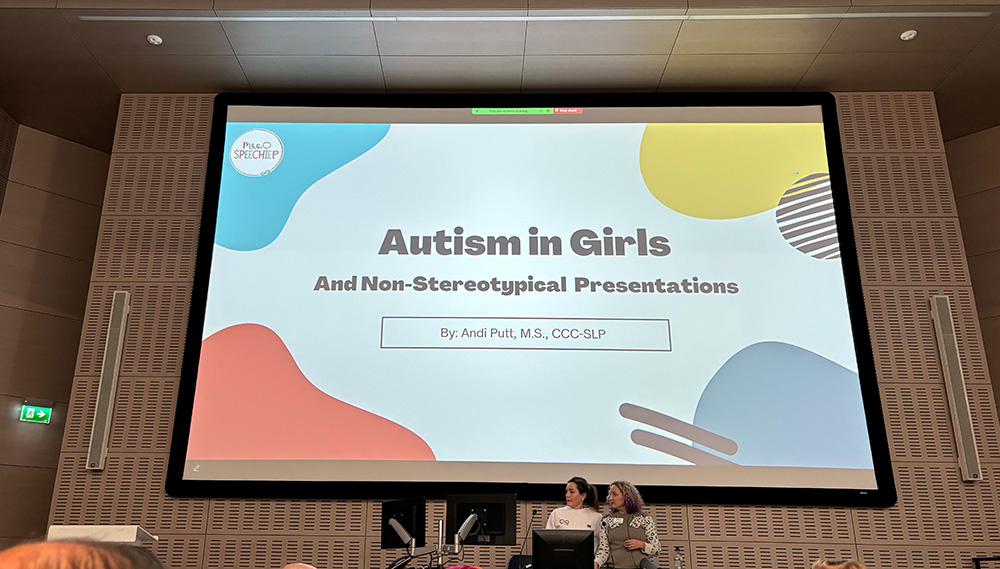
Last weekend I attended the Neurodiversity Ireland Summit as part of my role working with a student counselling service. I was able to go to the neuroaffirmative practice talk and the autism in girls and non-sterotypical presentations. They were both fascinating and included a talk and a panel discussion. I was also impressed that a room full of people, many of whom were ADHD, sit still for three hours ?. I’ve come away with pages of notes and interesting stuff to look up.

But you don’t look autistic at all

Saturday, April 26th, 2025 | Books

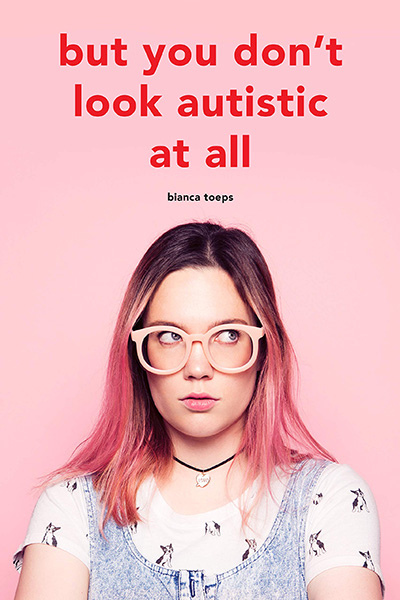
But you don’t look autistic at all is a book by Bianca Toeps. It’s a great read for anyone who is/suspects they are autistic or anyone with a friend or family member who is autistic and wants to understand that person better. it explores the phenomenology of autism mixing together Toeps’s personal experience, interviews with others and some solid science, too.

The Rosie Effect

Thursday, June 25th, 2015 | Books

I almost gave up on The Rosie Effect. Sure, I enjoyed The Rosie Project. But it did not make me feel like I had to read the sequel. So I mulled over striking it off my reading list. However, just before I did I went back to Bill Gates’ blog to re-read his post about it. It raved about it, so I kept it on the list.

I’m glad I did. As Gates points out, life through the prism of autism provides a surprisingly identifiable view of the human condition.

It picks up a while after The Rosie Project finishes and tells the story of Don and Rosie as they prepare to start a family.

I also found out that “cross-nursing”, the practice of swapping babies to feed, can be beneficial for the immune system of the child. However, a little research suggests there are serious risks and other complications. Anyway, something to discuss with Elina later…

The Rosie Effect