The holiest way to get healthy
August 30th, 2014 | Health & Wellbeing, Video
In the film A Few Good Men Colonel Jessep speaks the often quoted, though perhaps not very well understood, “the truth? You can’t handle the truth.”
I used to consider myself more right-wing in that I was (and still am) a libertarian. Though as I have grown older I have come round to more of a lefty socialist world view. However, my attitude towards the military has changed in the opposite direction.
As a libertarian I was anti-military. My view was that we should just let other countries get on with it and you should not be classified as a hero for taking government money to go murder black and brown people. Consistent with my libertarianism, though not a view in line with what many other people on the right would think, most of whom want to see aggressive military spending.
As a socialist, I am now not no so sure. If we are going to say that the machinery of governments should be used to maximise equality instead of liberty, then why should it stop at an arbitrary national border? Why insist that money be taken from the rich and given to the poor, while at the same time reconciling North Koreans to their horrible fate of oppression and starvation?
Of course one message to take away from this is that the whole left-right issues are not so easily pigeon-holed. But also, that the left-right view points are often inconsistent within themselves – the right do not want the state to interfere (except in the bedroom), the left do want the state to interfere (but not in the bedroom).
Back on the video though, it illustrates an important point. This issue is not an easy one. How do you balance the desire for peace with the desire for justice and liberty?
Recently, I saw one of my friends post on Facebook about attending Pagan Pride. I found this interesting because they used to run an atheist society. When I think about it, I can name quite a few people who have flirted with paganism, either before they came to atheist society, or having left the society and then drifted over to paganism.
It seems to me that there seems to be a stronger link between atheism and paganism than between atheism and other religious beliefs. I wonder why this is.
The simplest explanation, could be the size of my dataset. While having reviewed my personal experience revealed this connection, it could simply be that this by chance, and if I looked at a wider variety of evidence I would see something different. In particular, cultural setting probably plays a large part, though if that was the case you would expect the dominant religion to feature to be Christianity. Still, that seems a good explanation. However, in the interest of discourse, I want to discuss the possibilities assuming that that is not the case.
My first instinct was that Paganism is easier to swallow than more dogmatic religions. It seems fair to say that in order to become religious, you probably have to swallow its bullshit to some degree. With the Abrahamic religions, that is quite well defined bullshit. it is hard to wriggle out of because their god helpfully wrote it all down in a series of contradicting books that explained exactly what it was, then created a series of prolific institutions to further expand its claims.
Paganism does not have this. Nobody really knows what it is about. Thus from an intellectual point of view, it is easier to swallow their nonsense because you have more freedom to accept or reject specific claims and can water it down to taste.
However, I am not convinced by this explanation. Religion is not an intellectual argument. It is an emotional one. I am not sure who said “[the problem with convincing believers is that] you can’t reason yourself out of a n argument you did not reason yourself in to”. People do not make these choices using logical. If they did, nobody would be religious. It is a willing suspension of your disbelief in order to gain the emotional reward gained from religious adherence.
That is not to say that religious people cannot defend their ideology. They do, and come up with plenty of arguments for their belief. However, as Michael Shermer’s research shows, people form beliefs first and then come up with reasons why they believe if afterwards.
Therefore, if we accept that religion is an emotional choice, the watering down of theology offers no benefit. Indeed, for me personally, it would be less appealing. If I was to ignore my rationality and choose on an emotional level, I would much rather have the loving, protective (if a little jealous and vengeful) Christian god watching over my life and occasionally listening to my prayers (I am rich and white, and would generally pray fur curable things after all) than the vague concept of a Mother Goddess which may nor may not split down into a polytheist set. I want the certainty that our human brains naturally crave. Otherwise what is the point?
Another explanation could be the similar, but importantly different, idea that we inherently have believing brains (referencing Michael Shermer once again). In a straight forward clash between emotion trying to override logic, it makes more sense to go to one extreme or the other. But suppose that rather than craving the certainly of religion, we simply allow our rationality to slide to the point where we tolerate our inherent trait of building narratives and purposes were not exist.
If we were to subconsciously form this belief, which we are all somewhat predisposed to do, we would then go looking for a way to explain why we held this belief. Again, belief first, reasons second. But the key point with this is that we are still essentially acting on a rational, intellectual level, but from a base point that we are formed a faulty premise that there is something greater out there. Retroactively fitting an explanation to this, would lead us to fitting on the belief system that causes the least conflicts with that world view. Here, with its lack of doctrine and defined beliefs, Paganism probably has the edge.
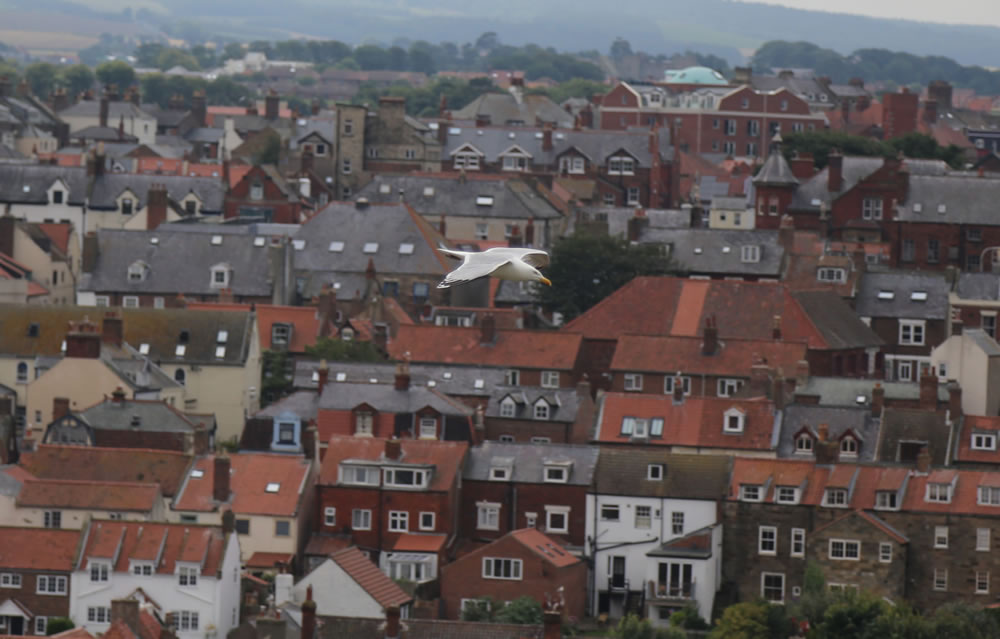
Last month we had relatives visiting us from Canada, so we spent quite a bit of time doing all the Yorkshire things. Such as Whitby.




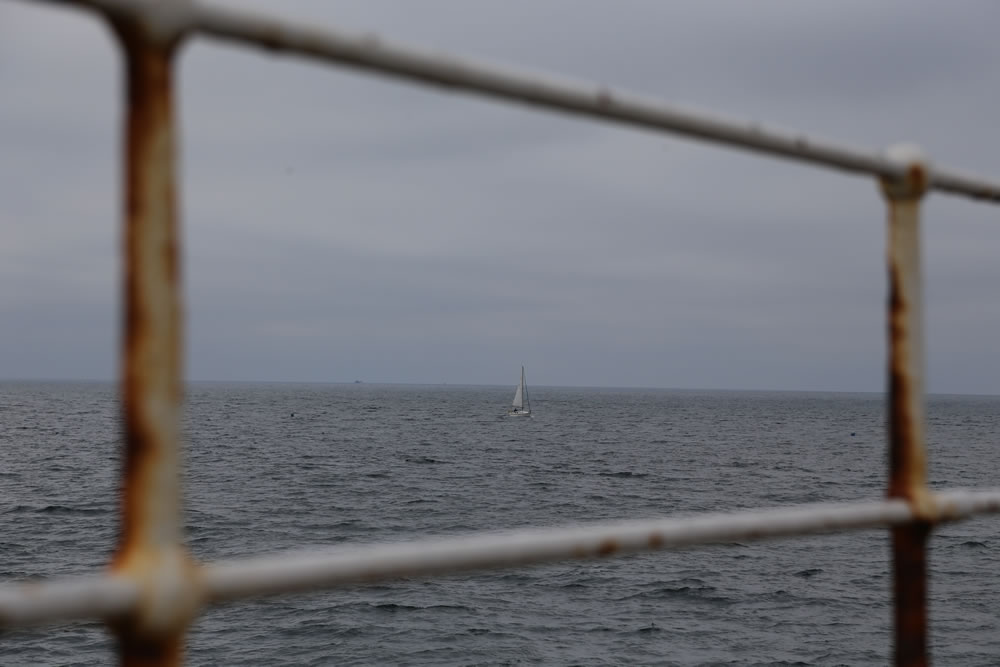
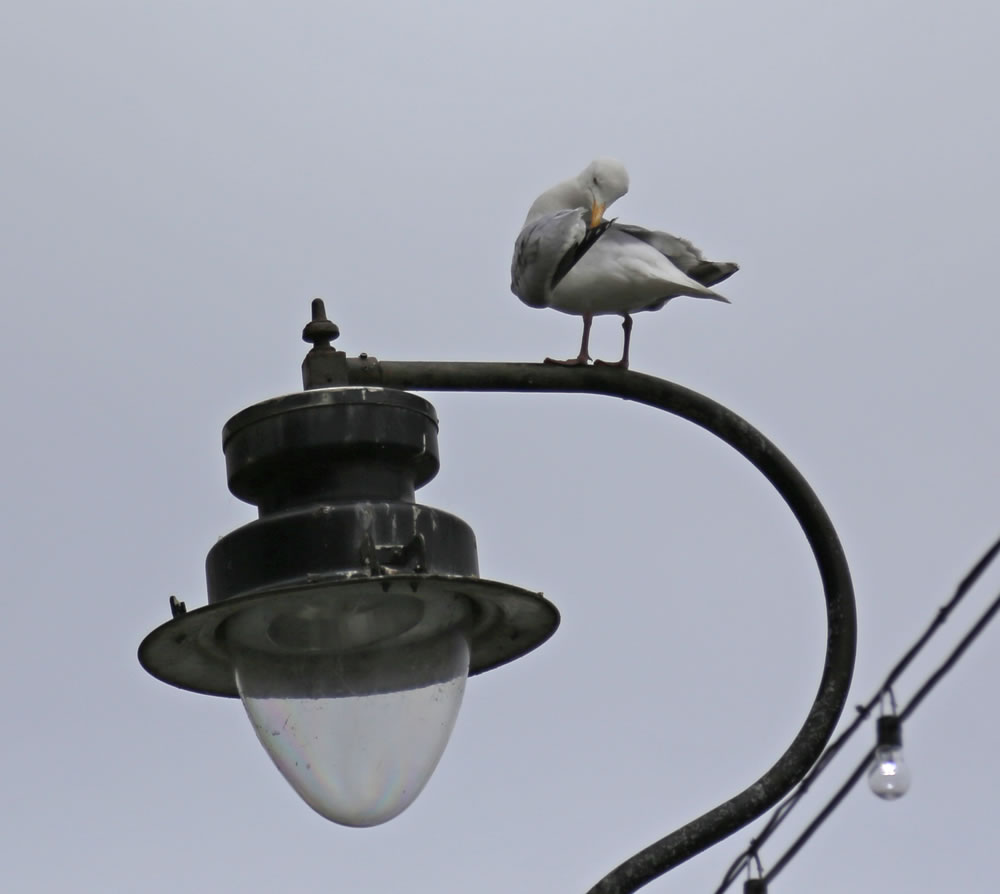
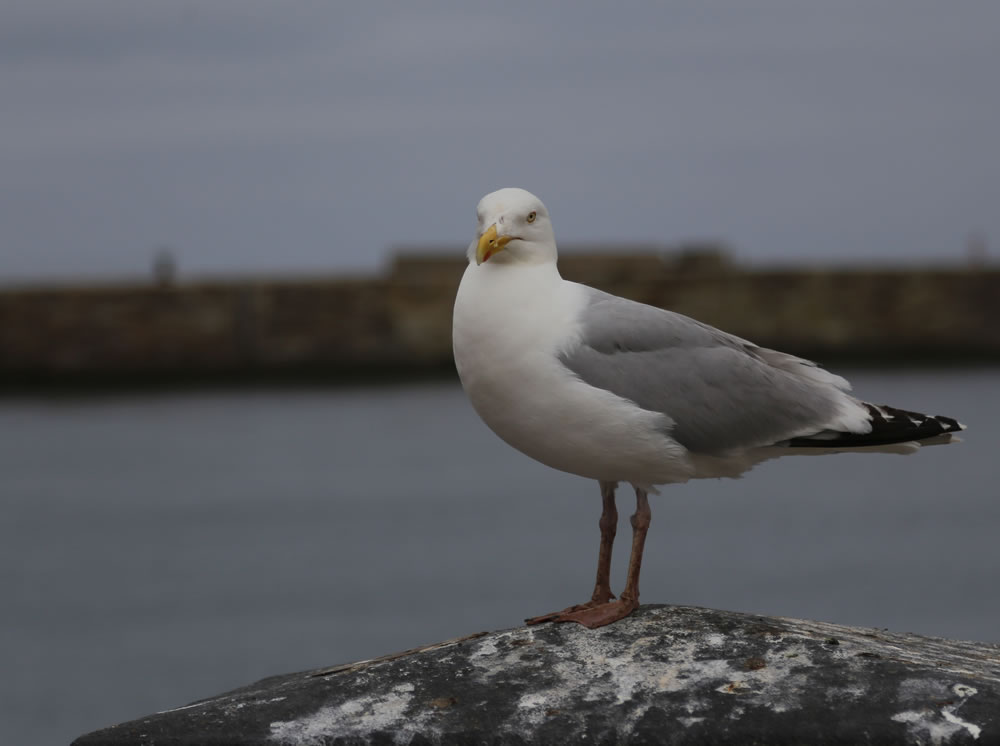
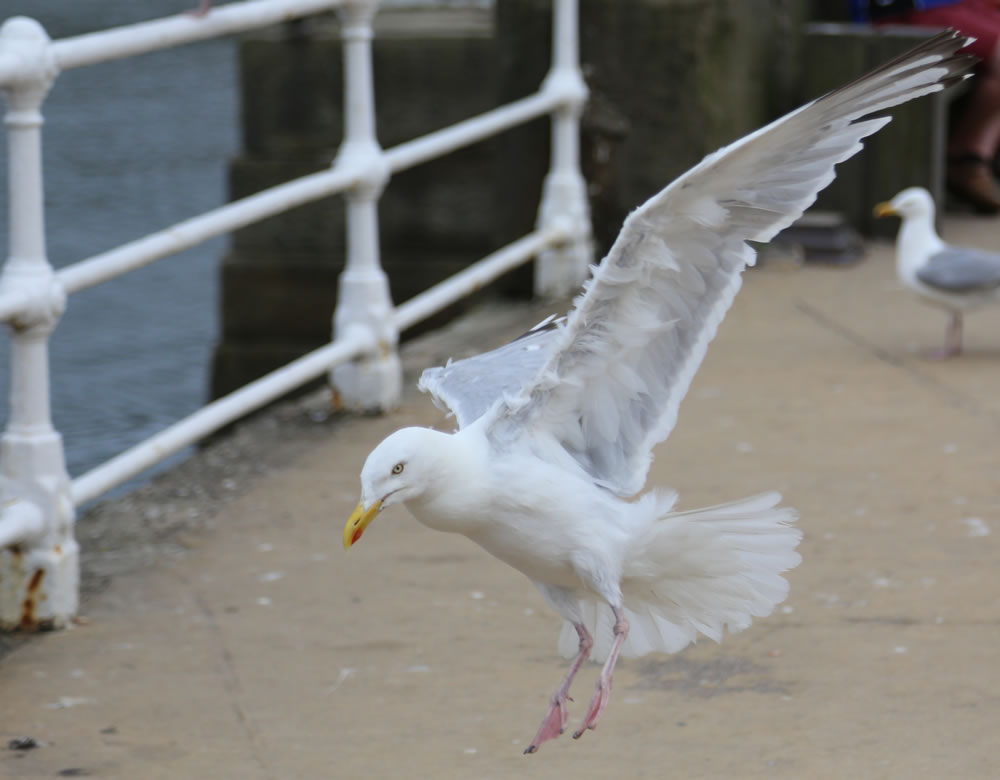
As ever, there were lots of seagulls.
And the tourist shops of course.

Those ice cream dogs. They melt and leave a pile of hair all over the floor.
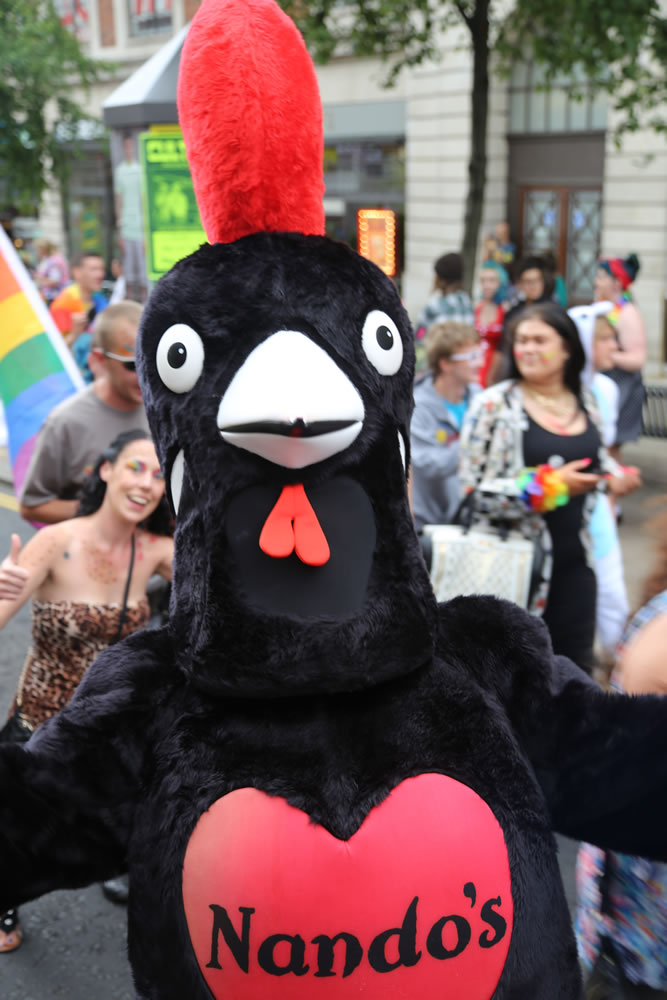
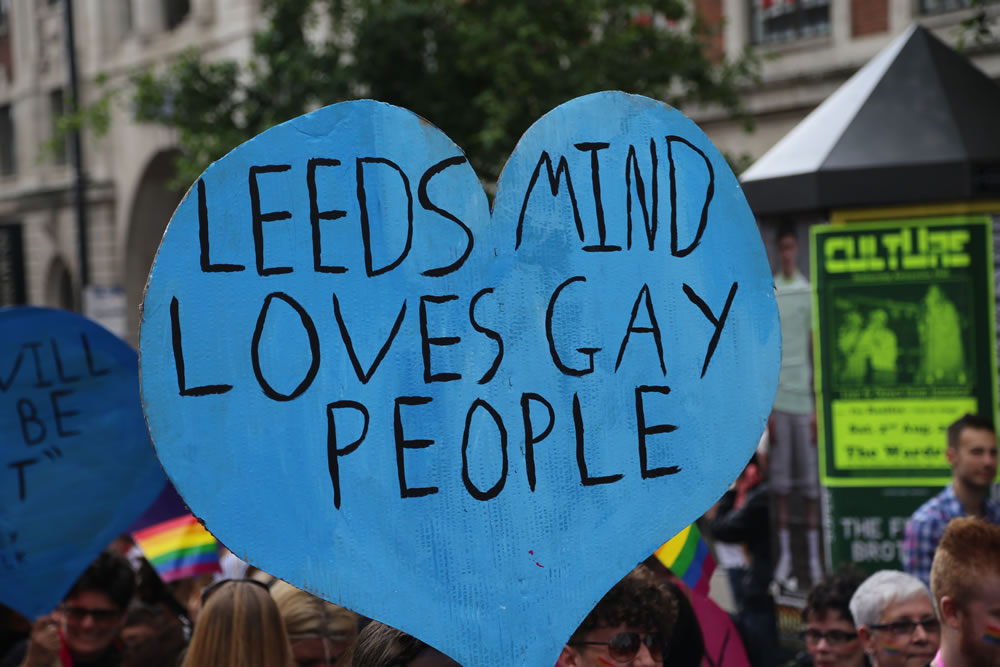
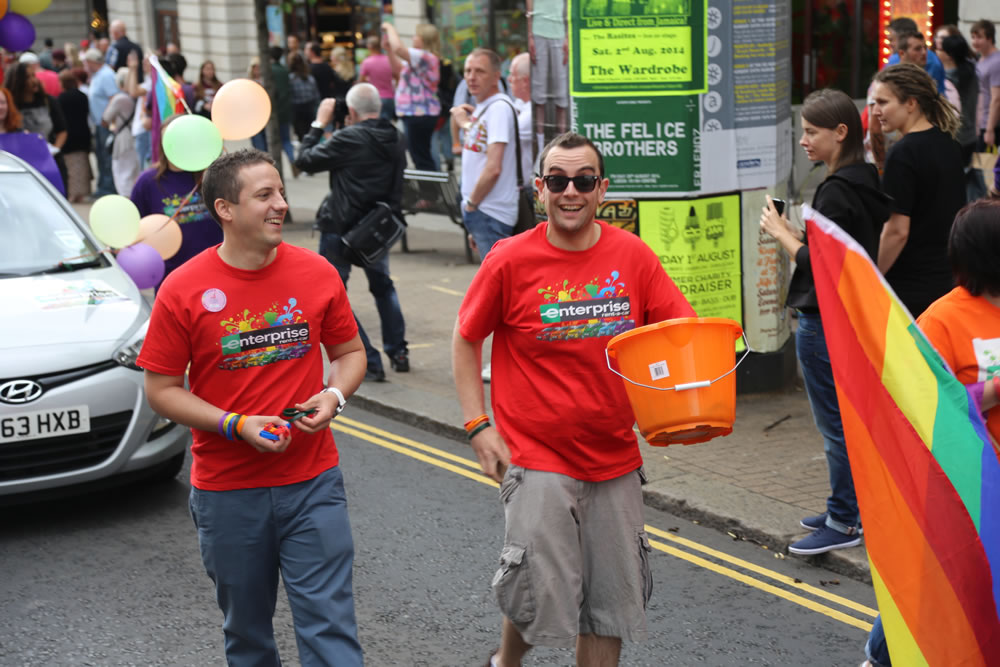
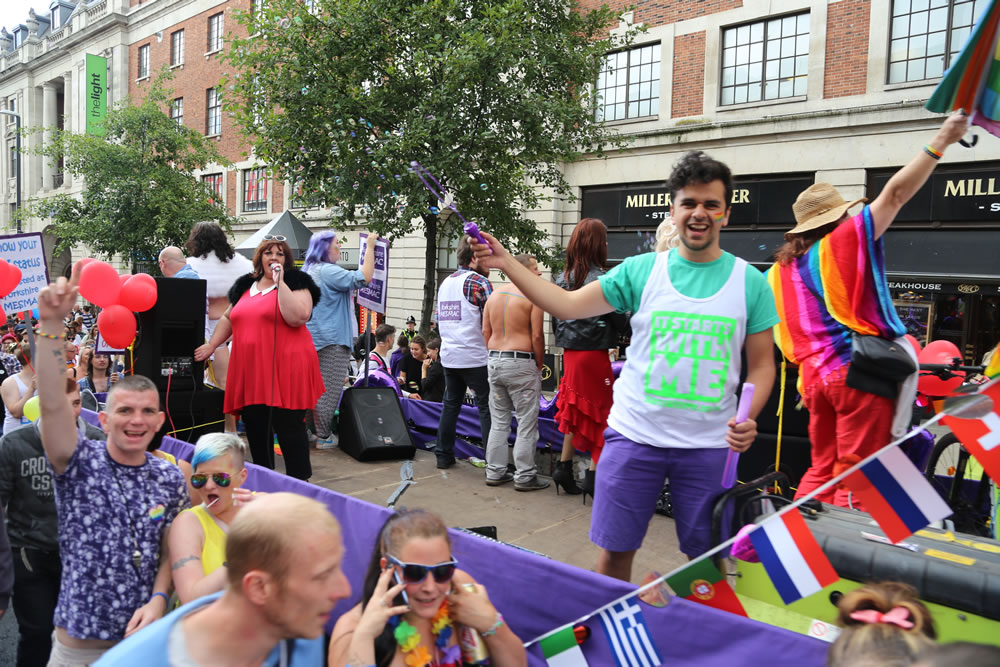
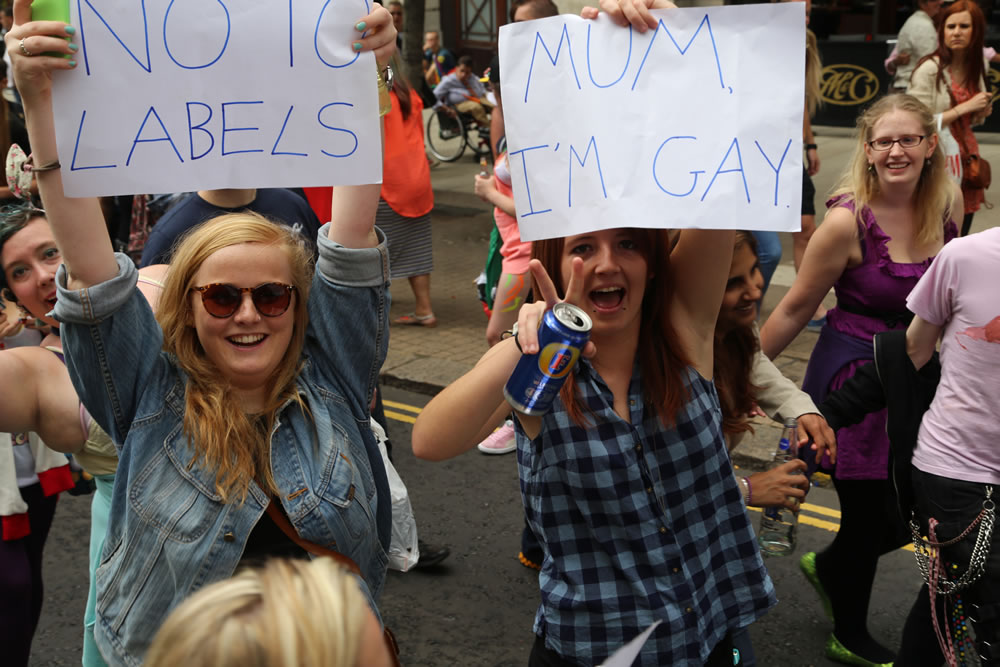
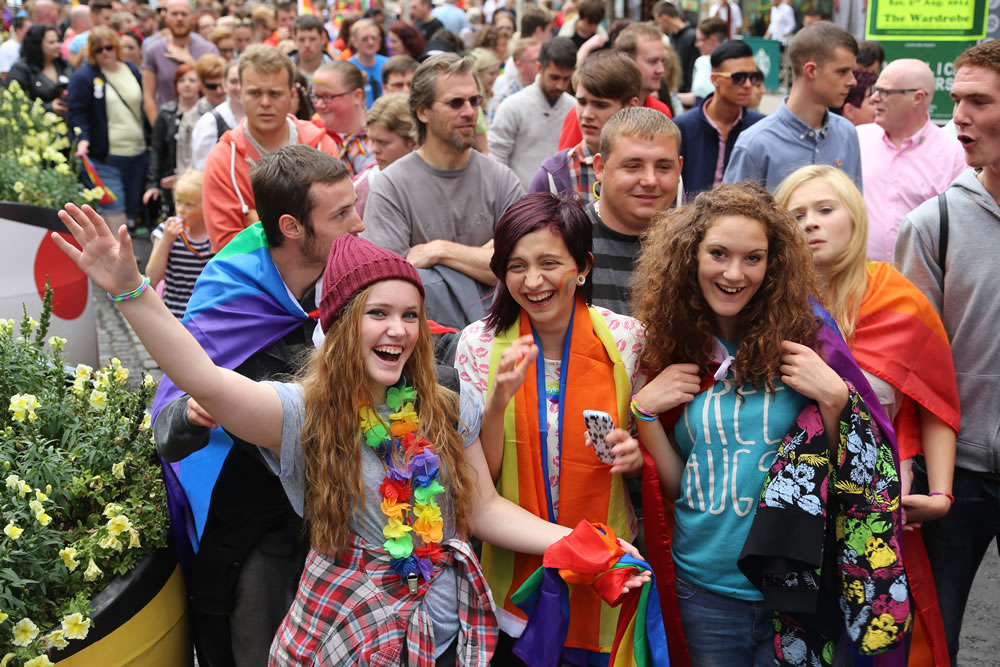
I love Leeds. It’s the Northern way of doing things. London Pride has barriers all the way down the parade route. In Leeds, you can just wander into the middle of the road, sit on a traffic island, and watch the parade swarm past you on both sides.







Earlier this month, Norman was kind enough to host us for the weekend at his new flat in Cardiff. It’s a nice place and just round the corner from Cardiff city centre.
On the Friday evening we ended up having a meal at Chapel 1877, which was very good. On Saturday we went to St Fagans National History Museum which was an outdoor museum with some traditional buildings and a large manor house and gardens.

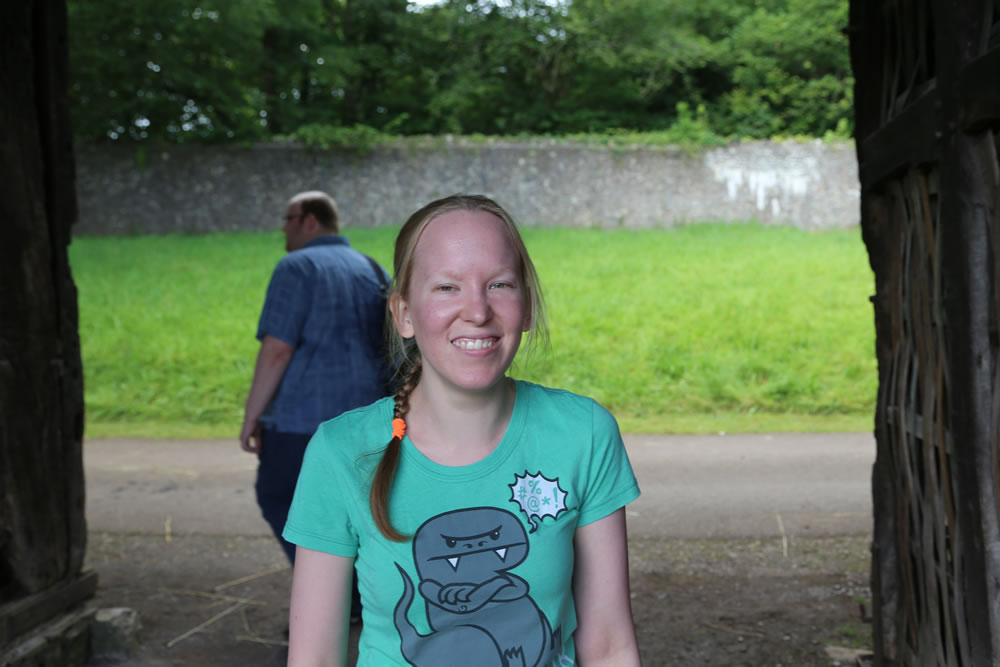

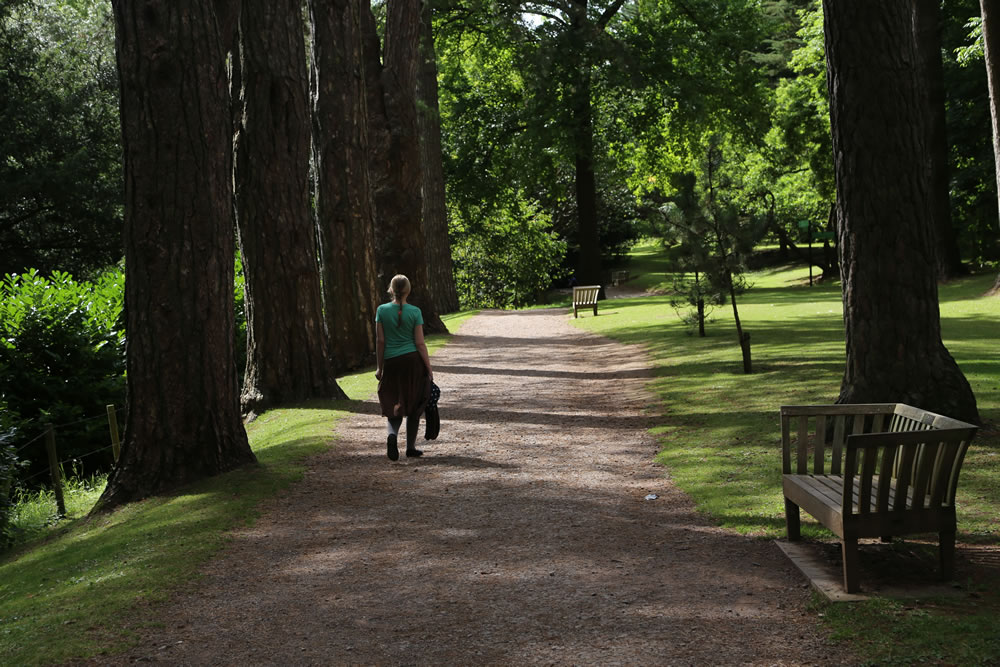
There was also a bird hide where we saw some mice. I should have brought my telephoto lens!


We had lunch at a pub just round the corner from St Fagans. It was a Vintage Inn, and lived up to expectations. Despite it being Cardiff, we actually had lots of glorious sunshine on the Saturday and it didn’t really rain (much) until we got back. In the evening we drove to Cardiff Bay had had dinner at a Turkish restaurant on the peer that I didn’t think much of.
On Sunday we spent the morning looking round Cardiff Castle in very heavy rain before heading to the fish and chip shop. I was very pleased to get fish and chips because I had tried to get them on Friday lunch time (they had run out), Saturday lunch time (their fryer was broken) and Saturday evening (we went to a Turkish restaurant instead) but you can’t go to the seaside and not have a fish and chips, even if it is a highly industrialised port.
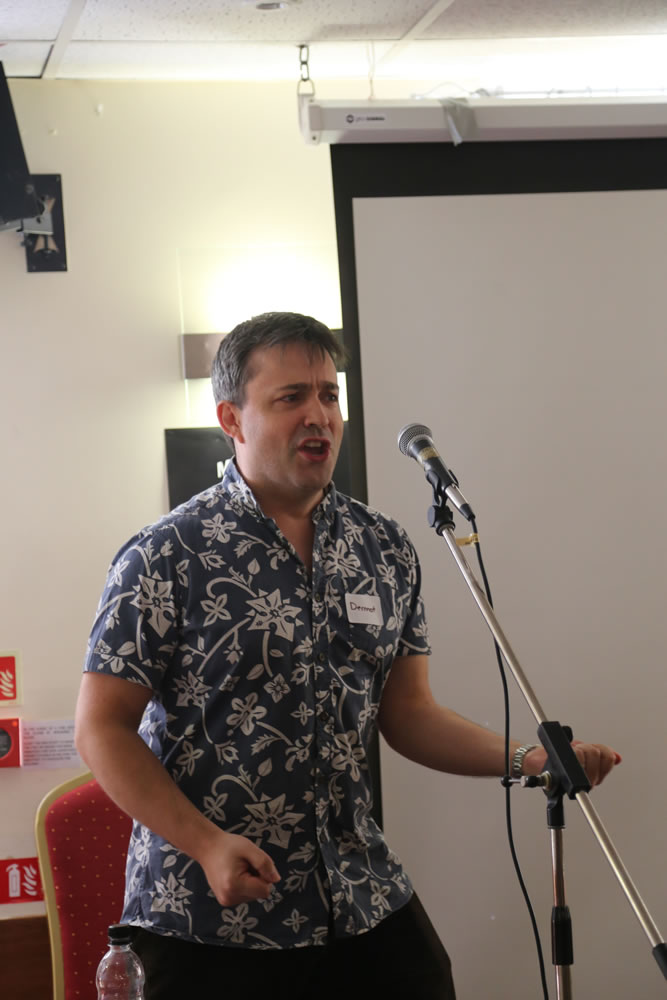
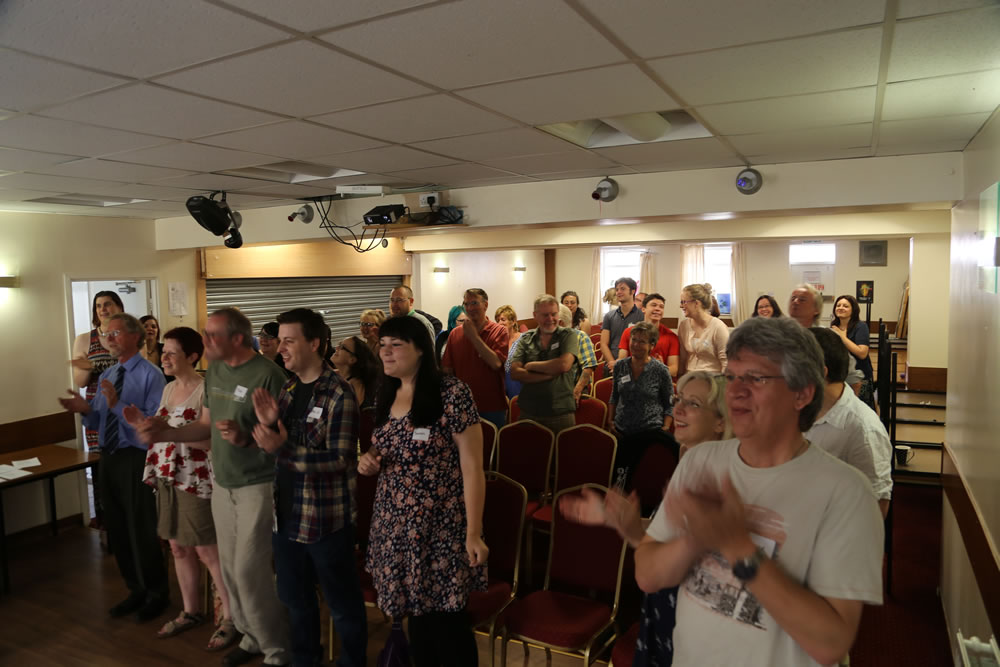
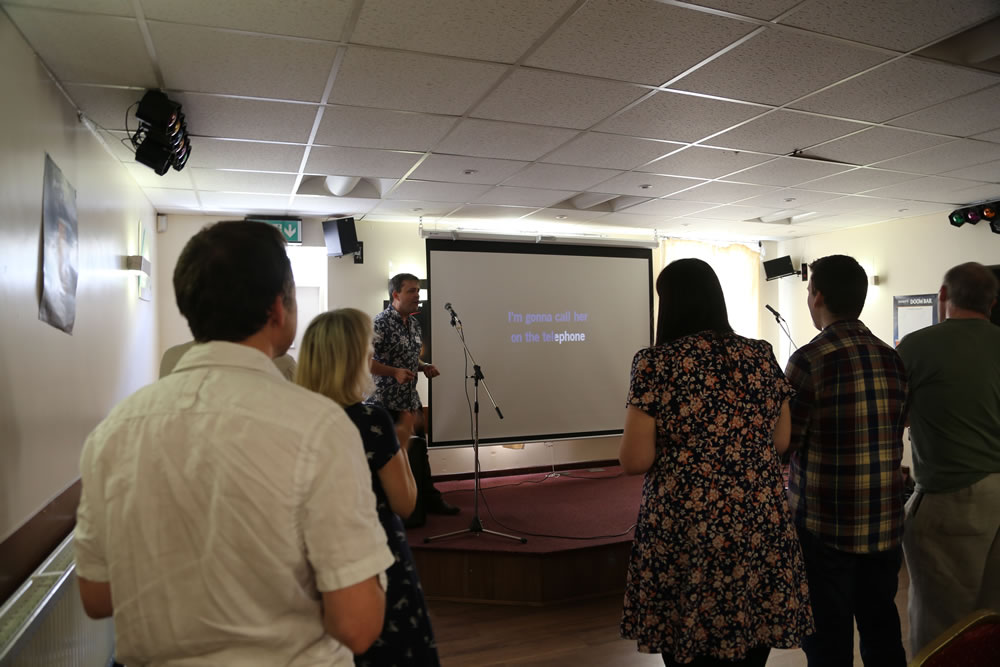
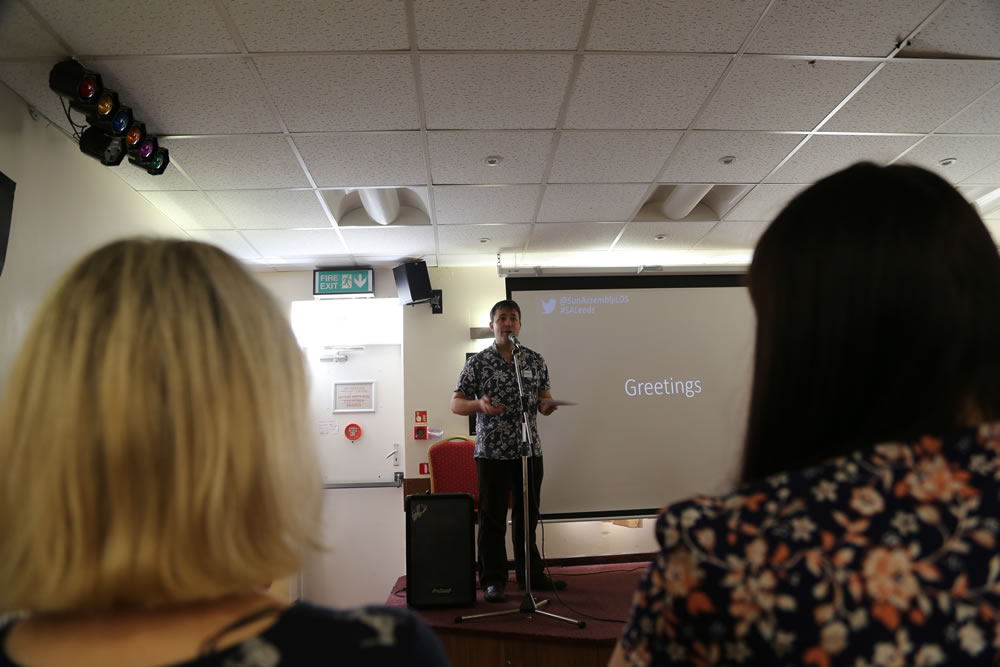
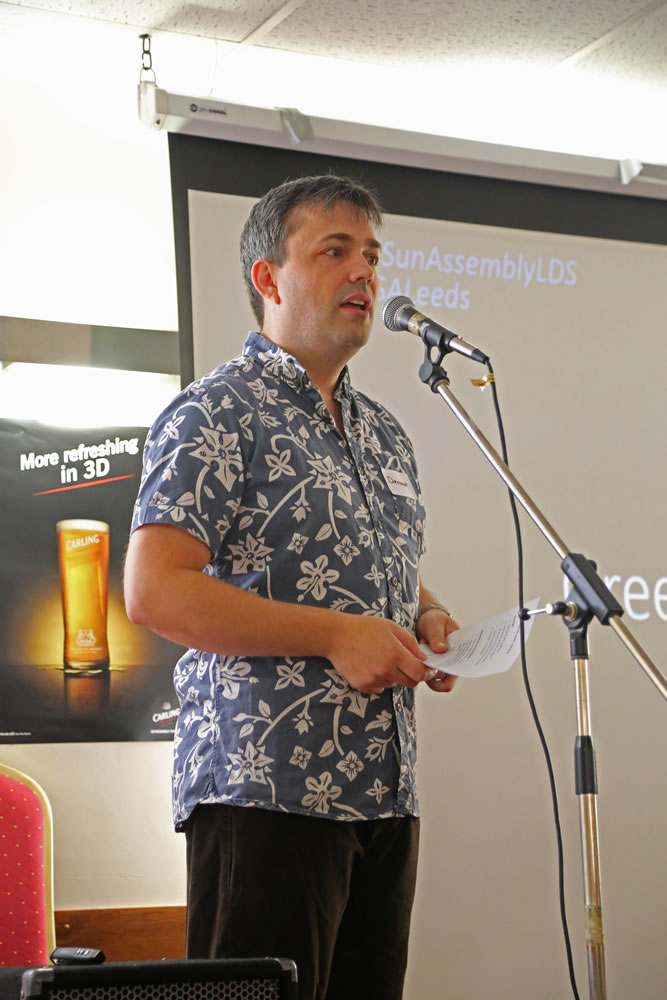
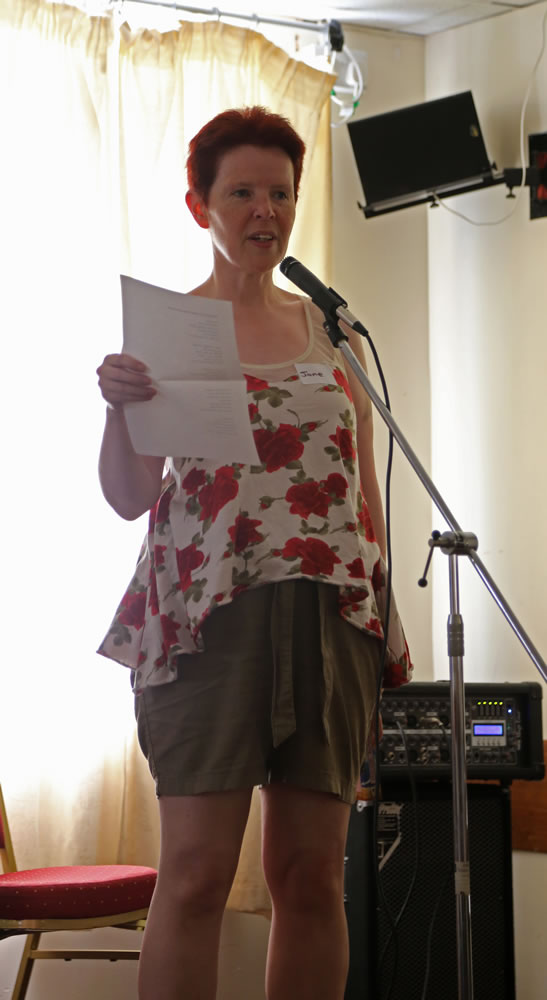
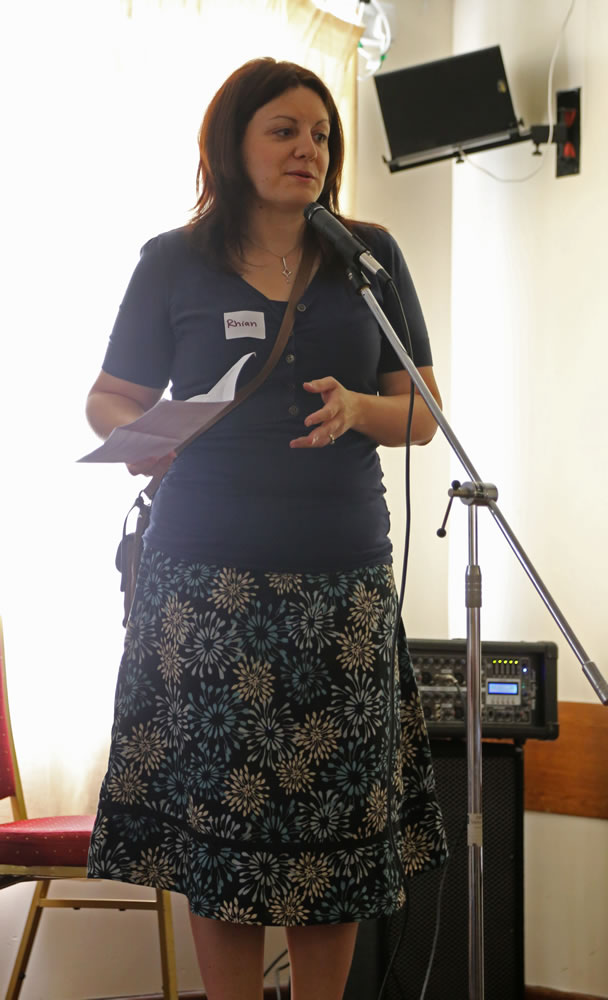
Photos from the July 2014 event of Sunday Assembly Leeds. Well done Dermot for an excellent show!

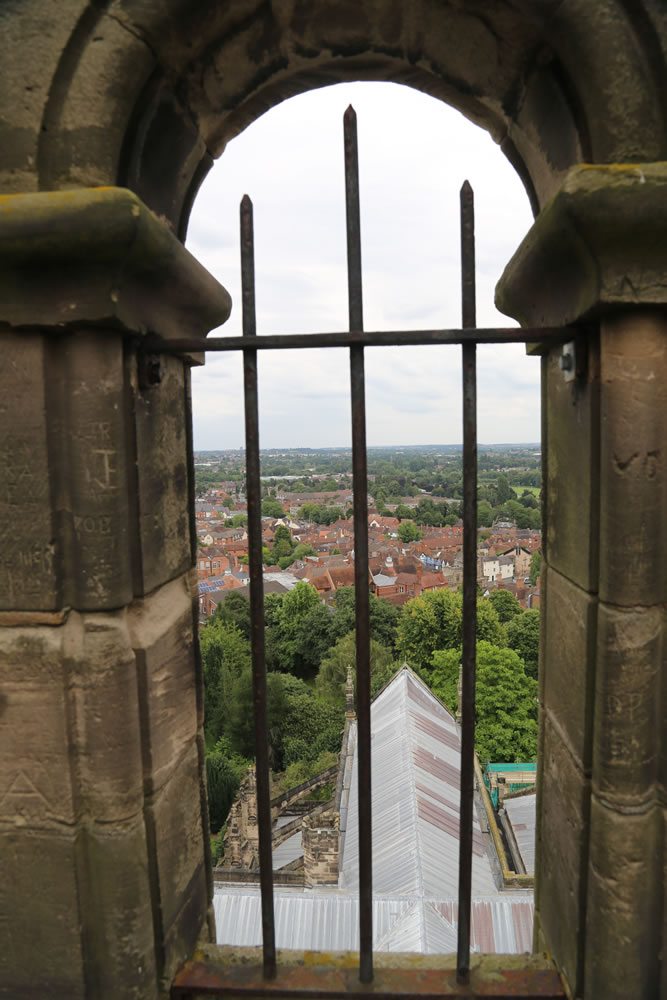
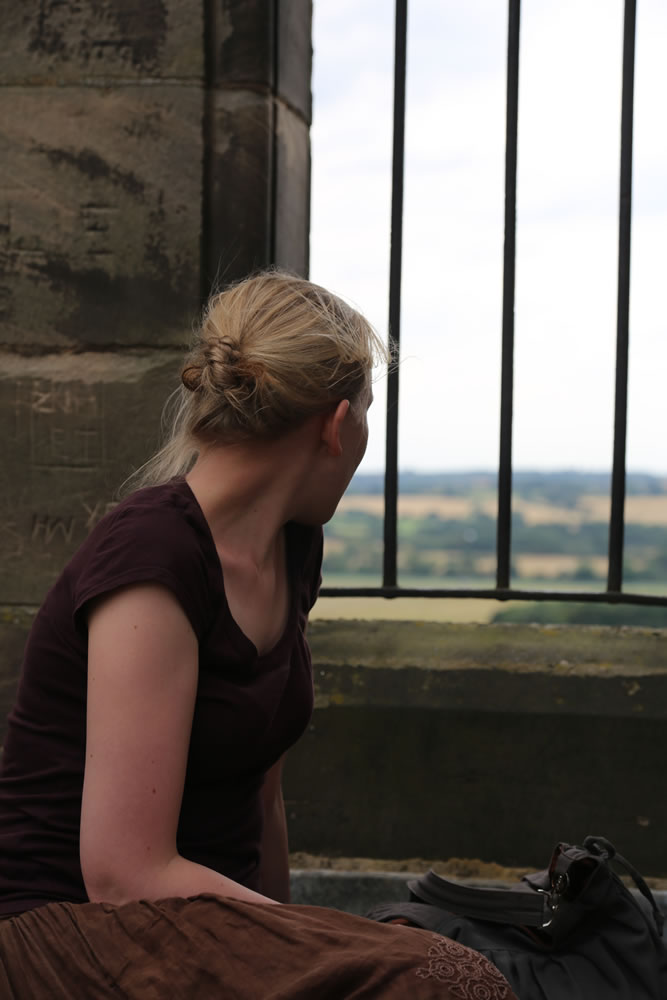
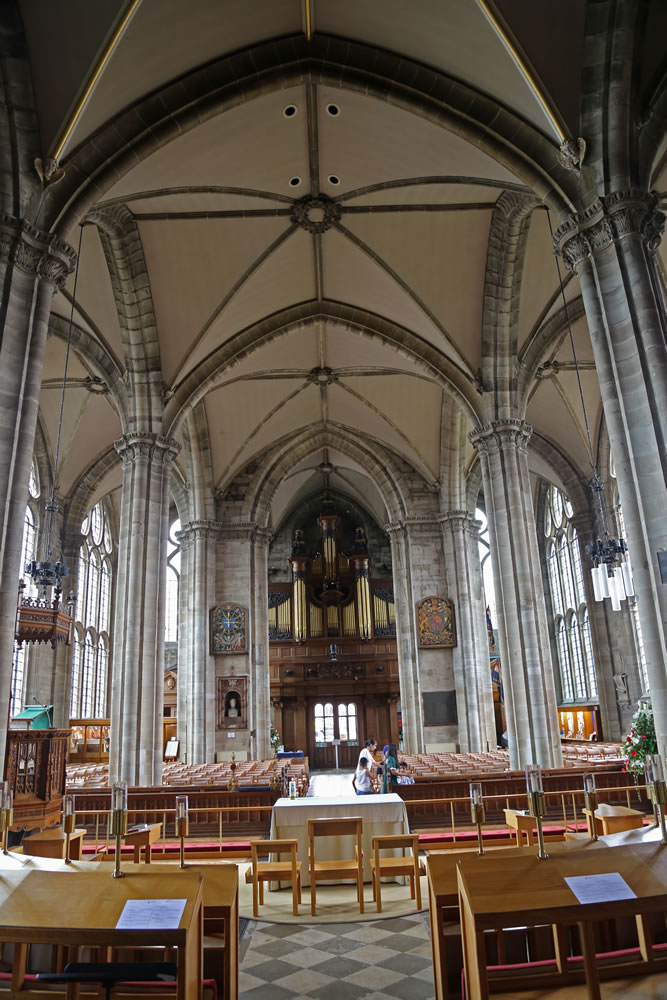
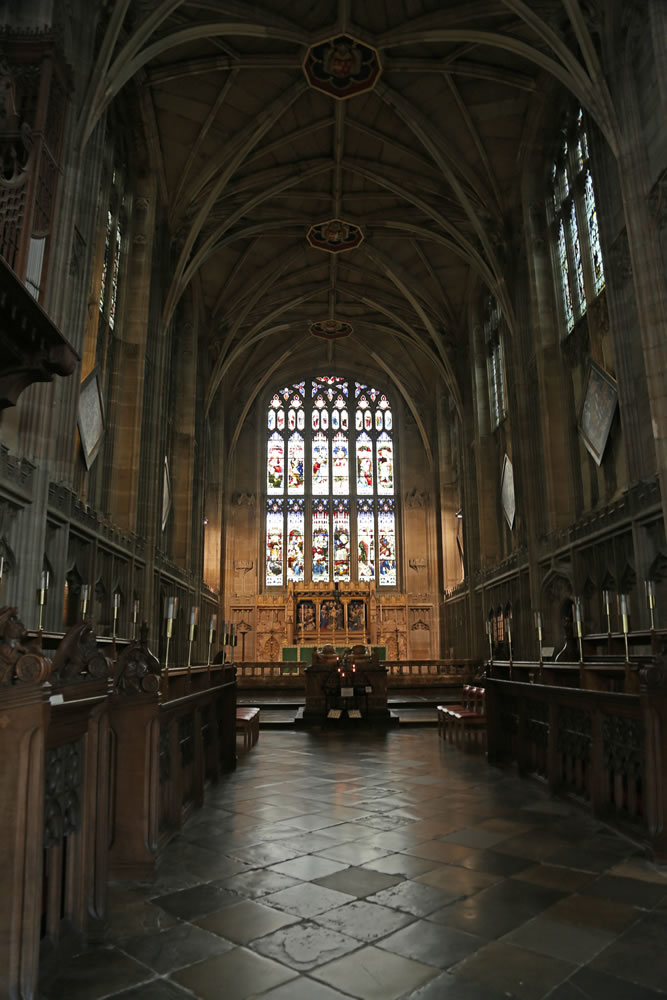
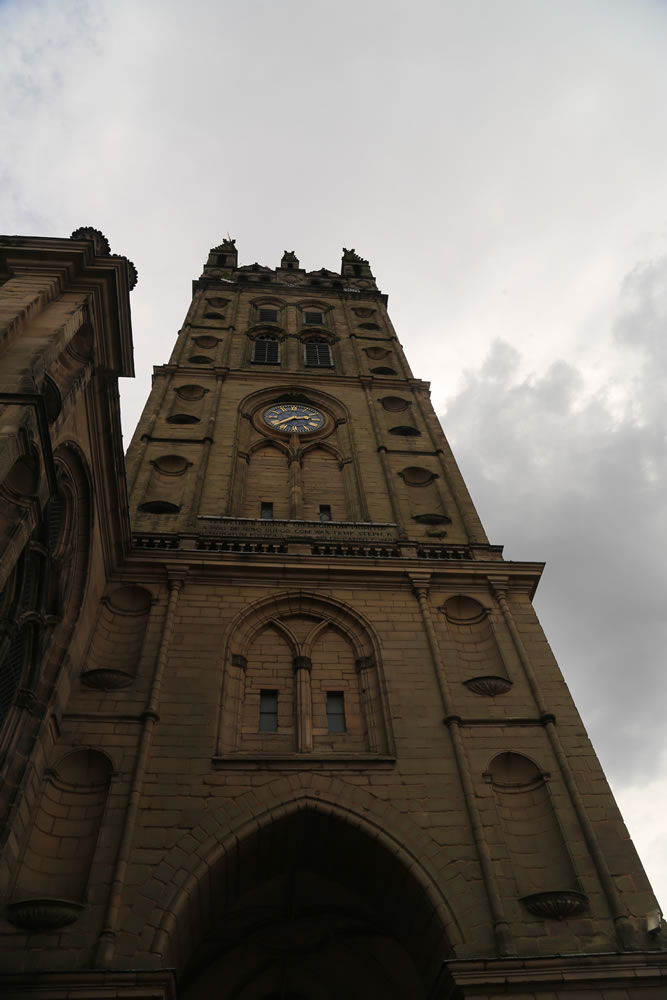
On our way to Cardiff we dropped by Warwick to see Collegiate Church of St Mary. It is a pretty cool church, most notable because you can go up the church tower and get a great view over Warwick from the top. We also had chance to grab lunch with Kat while down there and it was great to catch up. Oh how fast life moves these days…

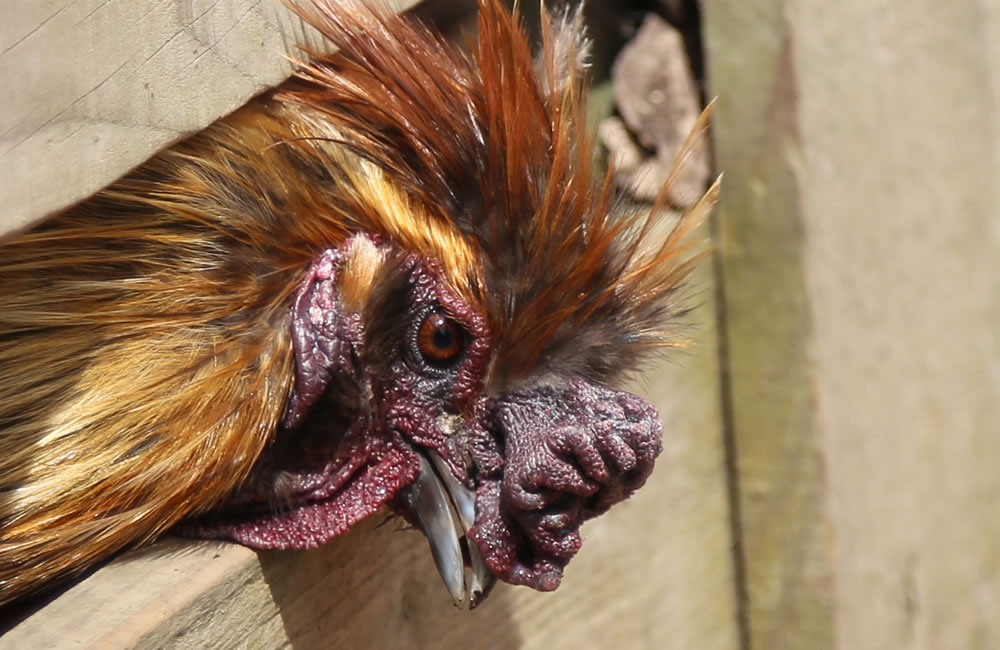
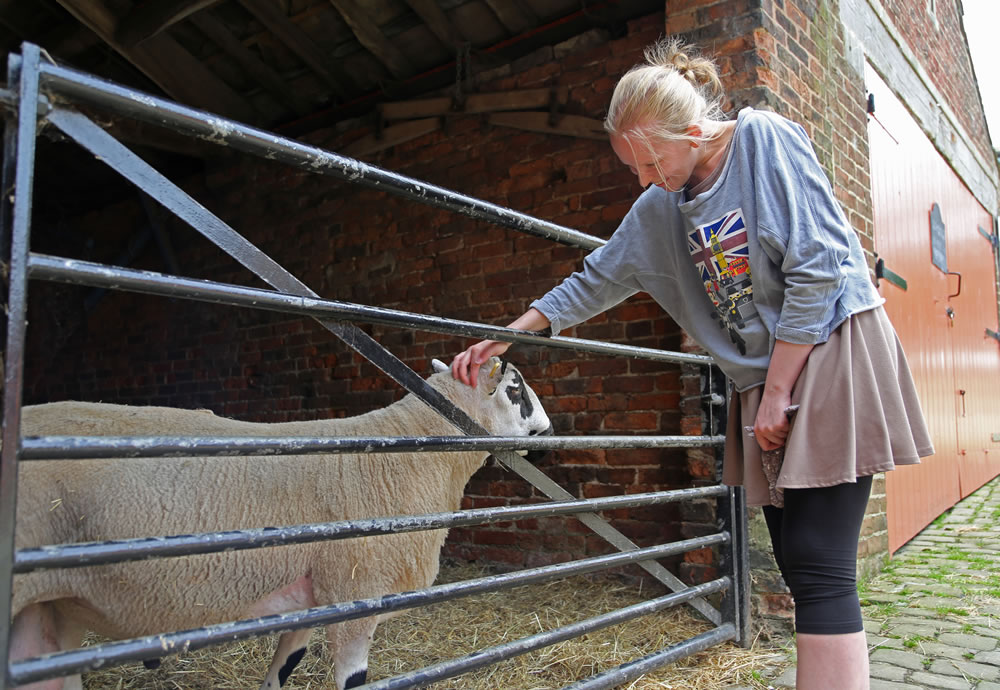
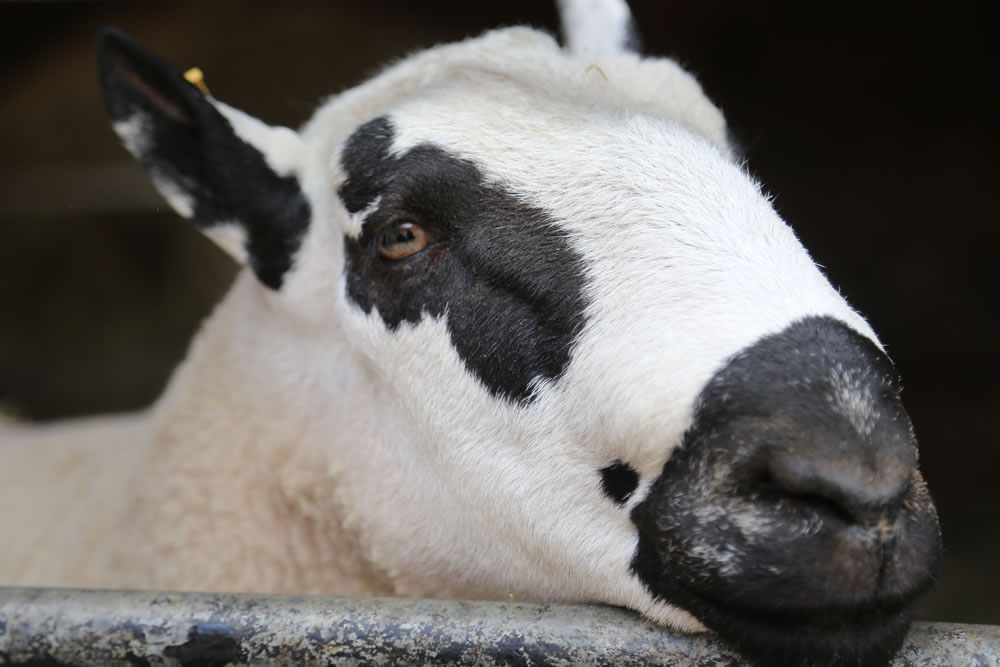
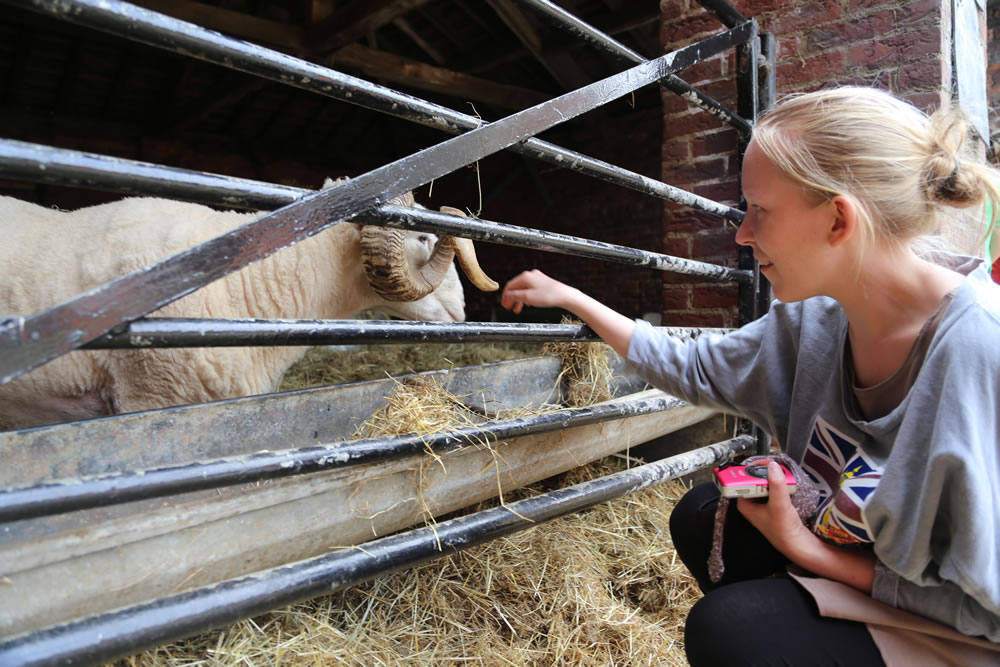
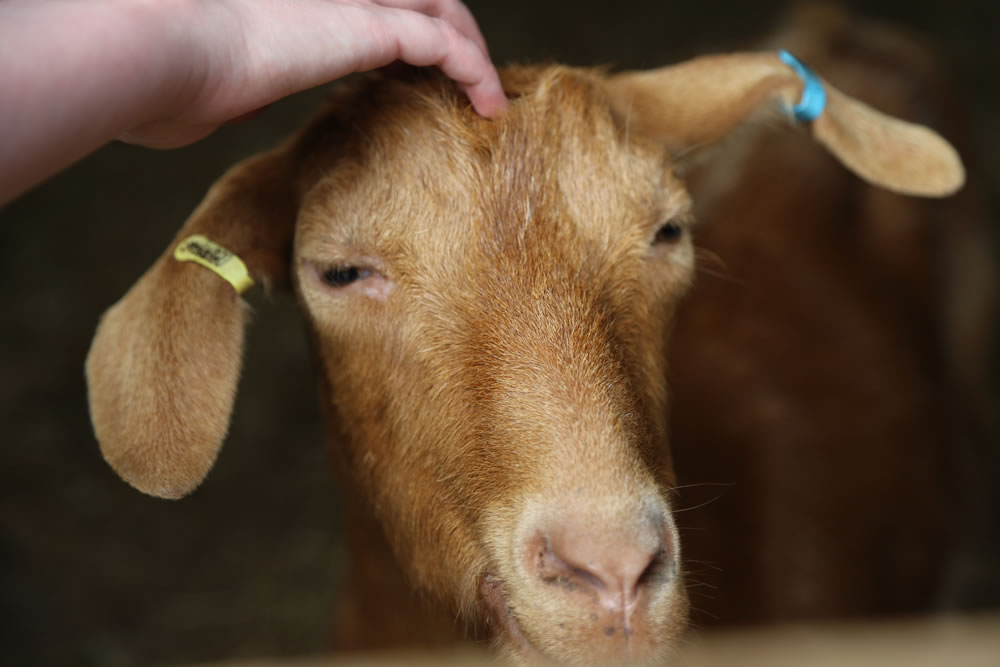
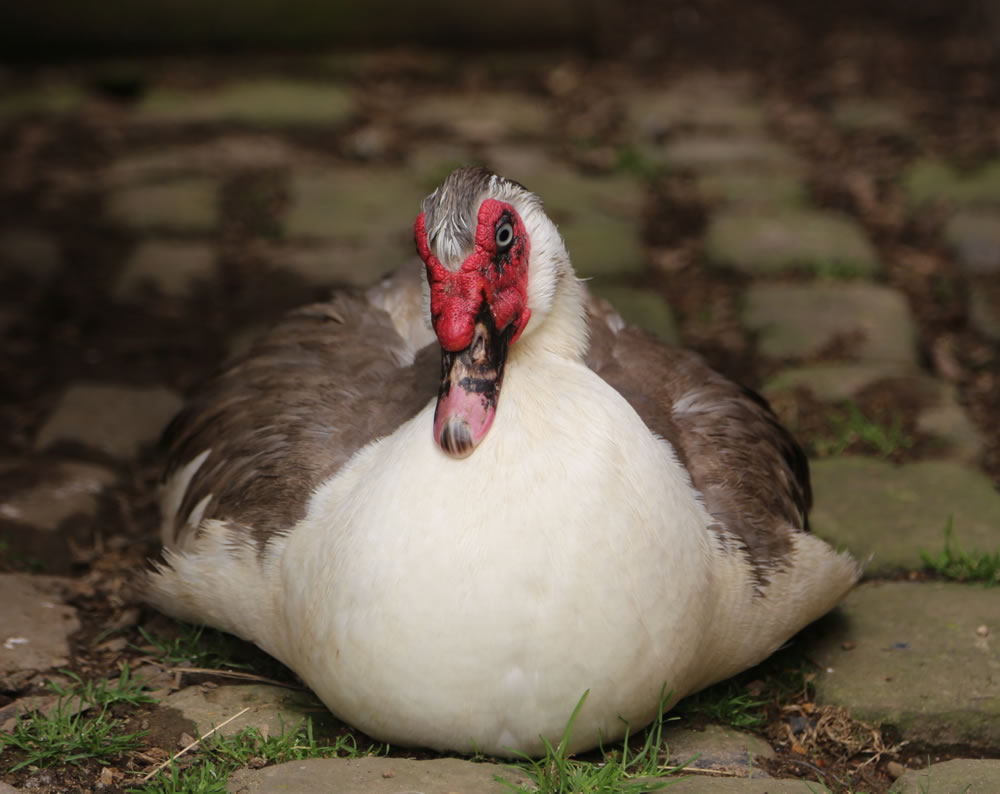
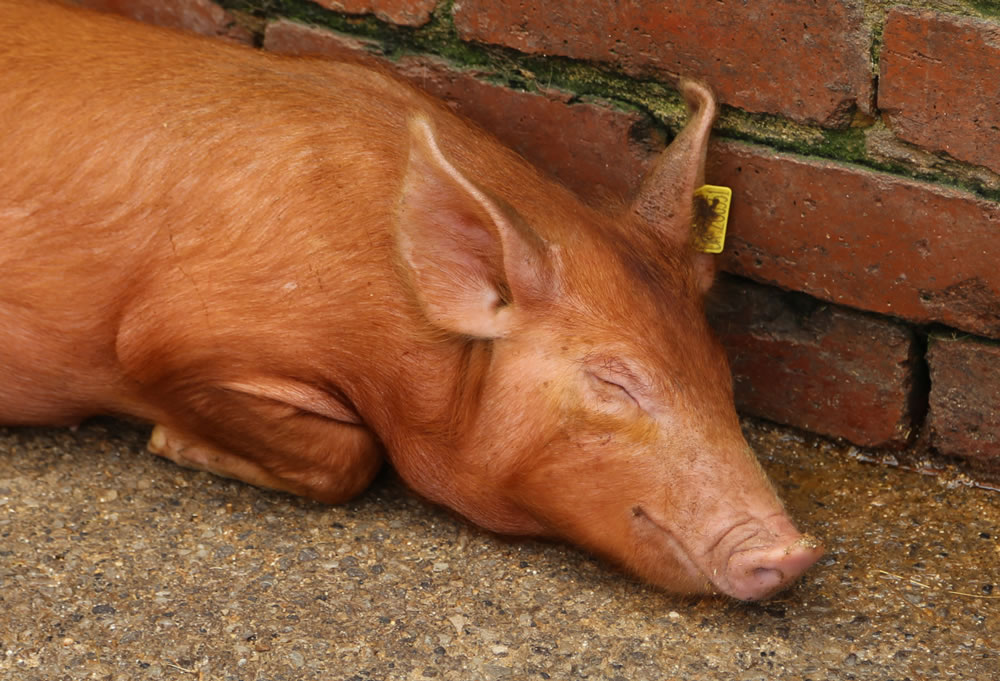
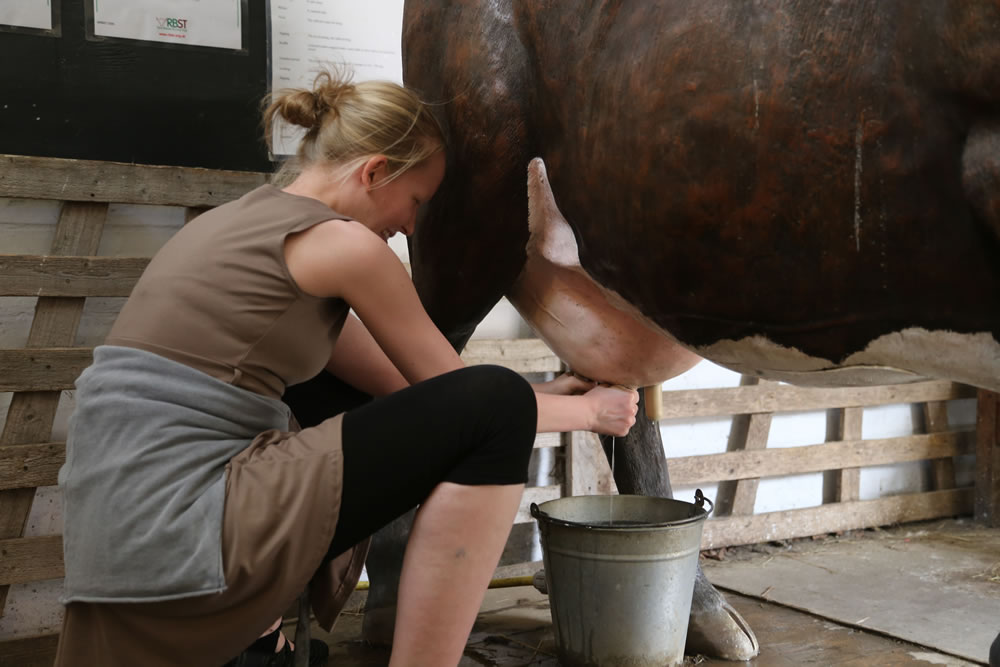
In July we went to a Finnish picnic at Temple Newsam. We got there early so that we had time to go round the farm first. It has all changed since I was a kid – you have to pay to get in now! However, you can now milk a fake cow.