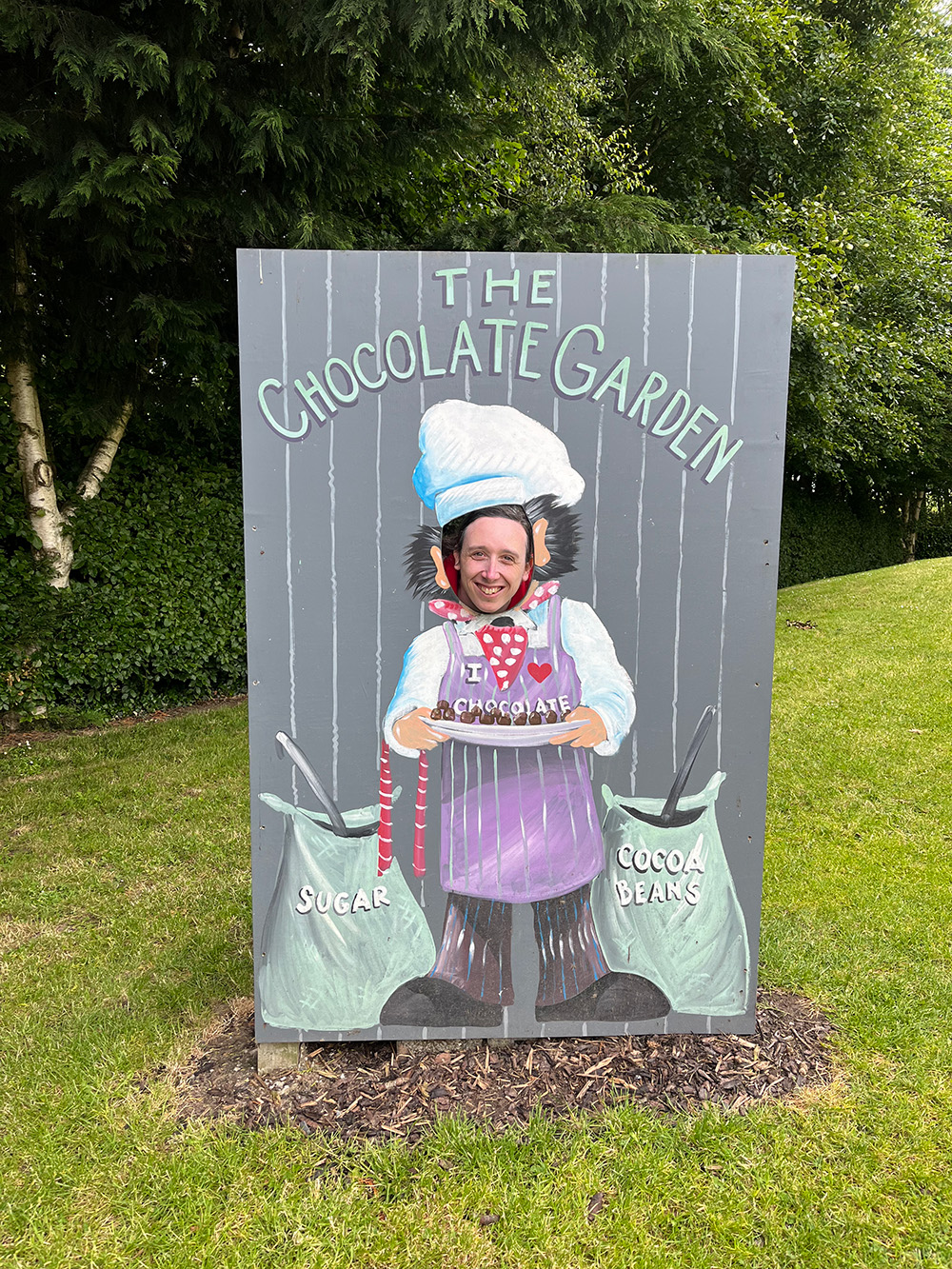
We did a family trip to the Chocolate Garden. They have a small playground and a toilet, so that is lovely. But they could probably do more on the chocolate front. They had a small wall of chocolates for sale and ice cream, but only one of the flavours was chocolate, and if I am being honest, I hoped for a little more there.
We also had lunch at the MerryTree restaurant at Rathwood garden centre and that was excellent.
Emotion-Focused Therapy (EFT) is a type of psychotherapy that focuses on people’s emotions. Throughout this course, we will dive into exploring primary, secondary and instrumental emotions, as well as how to use emotion to transform and resolve painful feelings.
My new course provides you with a comphrensive introduction to the basics of Emotion-Focused Therapy for individuals. Preview the course on Holbeck College or watch the trailer below.
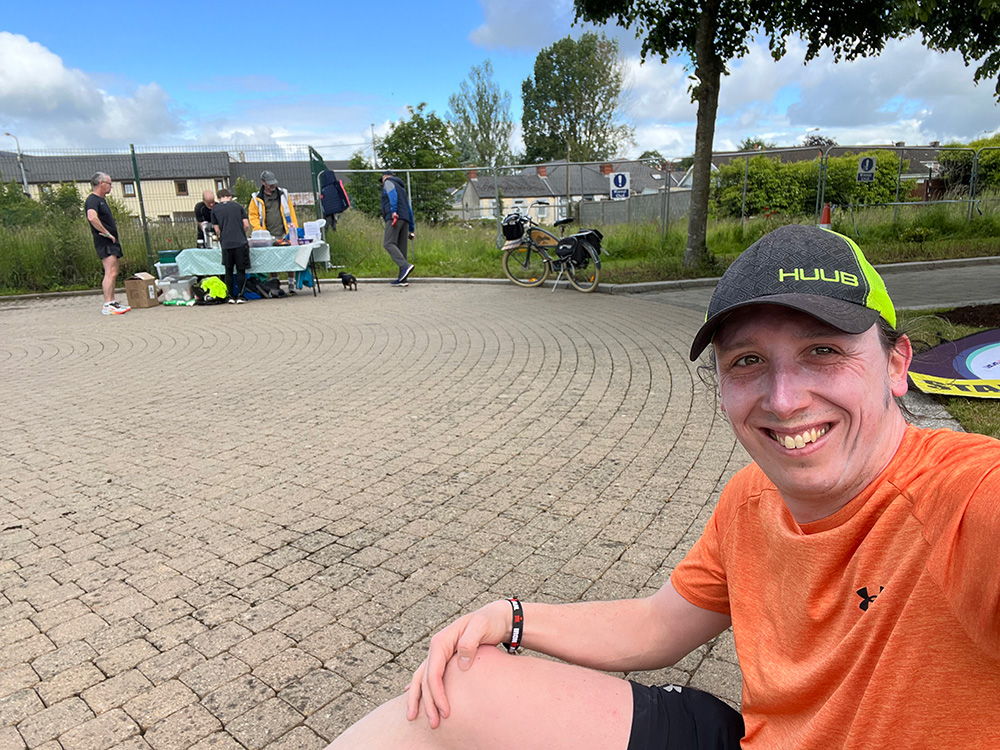
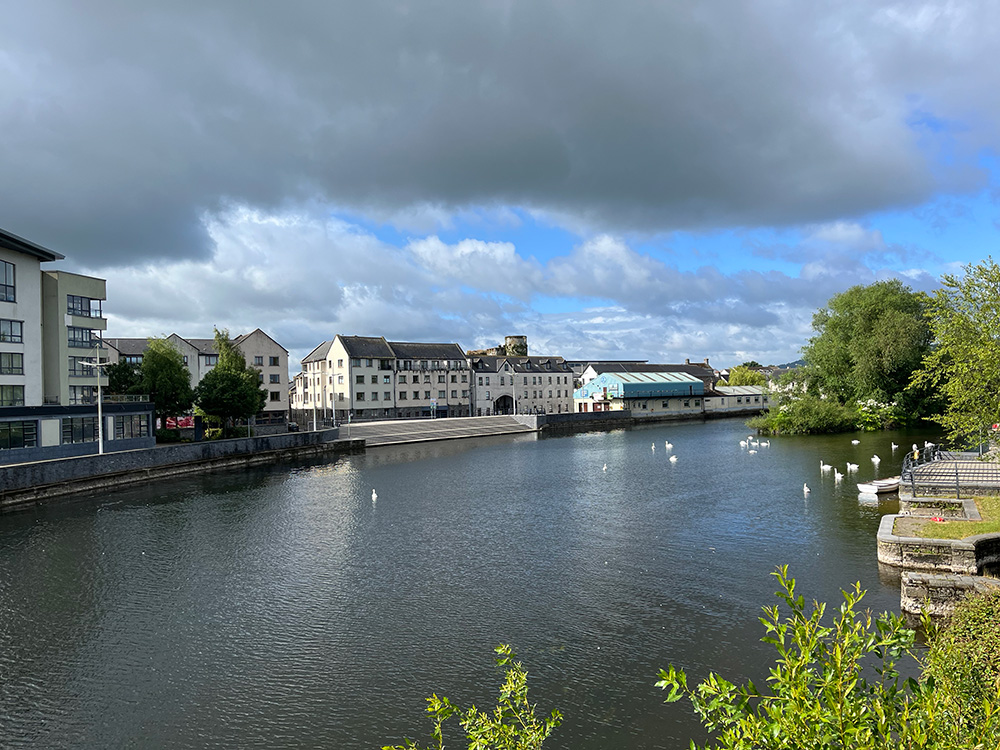
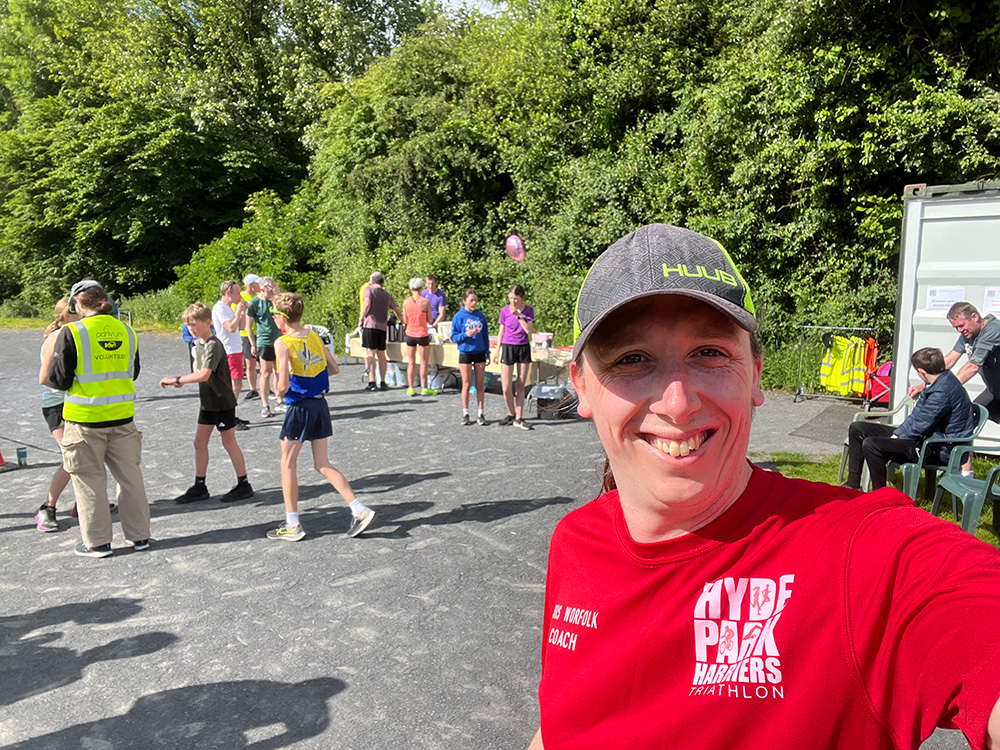
Beautiful parkrun along the river. I came down for event 249 so maybe I should have waited a week, but happy to be here anyway. My 5th C for the Pirates! challenge: only two more to go!
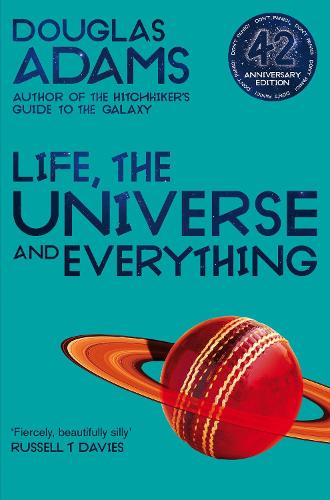
Life, the Universe, and Everything is the third novel in the Hitchhiker’s Guide to the Galaxy series. It tells the story of the robots of Krikkit and their attempt to destroy the universe.
It’s a great read filled with fun characters like Agrajag. Not fun for Agrajag, of course, but they’re not real so it’s fine. It does feel like an add-on to the originals, though. The first two novels wrap up nicely and this has to invent a whole new series of events to get the science fiction back on track. But it does and it’s entertaining.
Two years ago, we closed down the Anxiety Leeds meetings. We’ve missed them, and despite the meetings ceasing we have still seen a lot of people accessing our website and looking for support. As a result, we have decided to expand the website to offer additional support.
This includes a wider range of sign-posting to different organisations to help people get the best support for them.
It also includes a new series of videos offering practical tips on managing anxiety. These can be found on our new homepage.
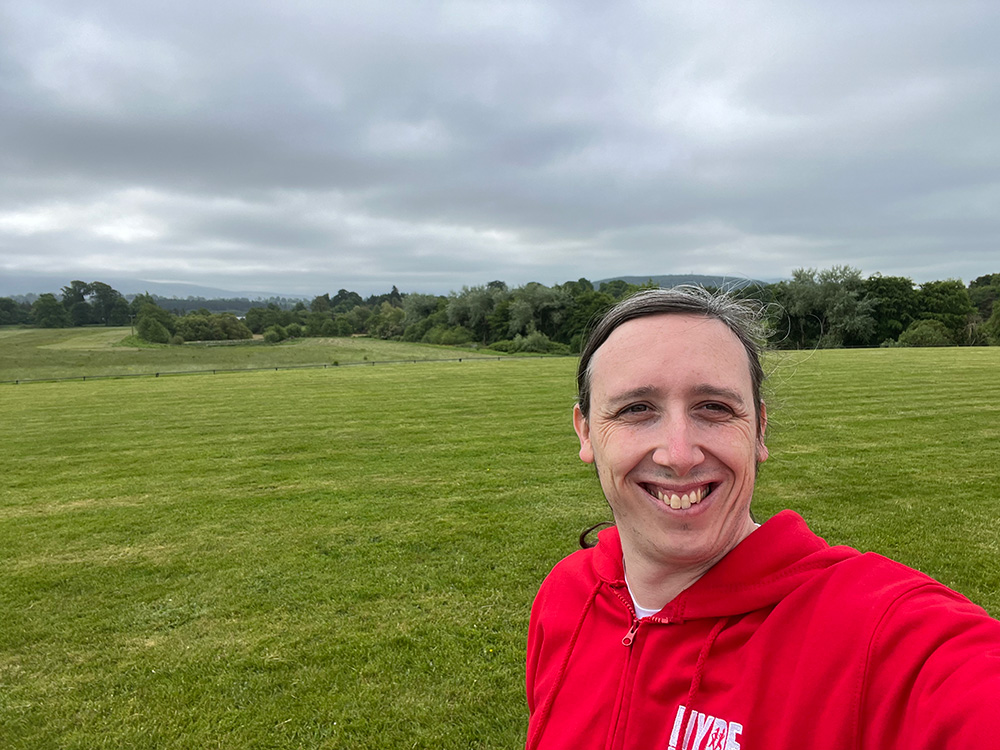
Last weekend I headed down to Vicarstown for some more parkrun tourism.
It is a somewhat rural location. The official guidance on getting there by public transport is “there is no public transport”. Once I left the motorway, the road wasn’t quite single track, but it wasn’t wide enough to have a centre line, either. Luckily, it was easy to find and there was plenty of parking.
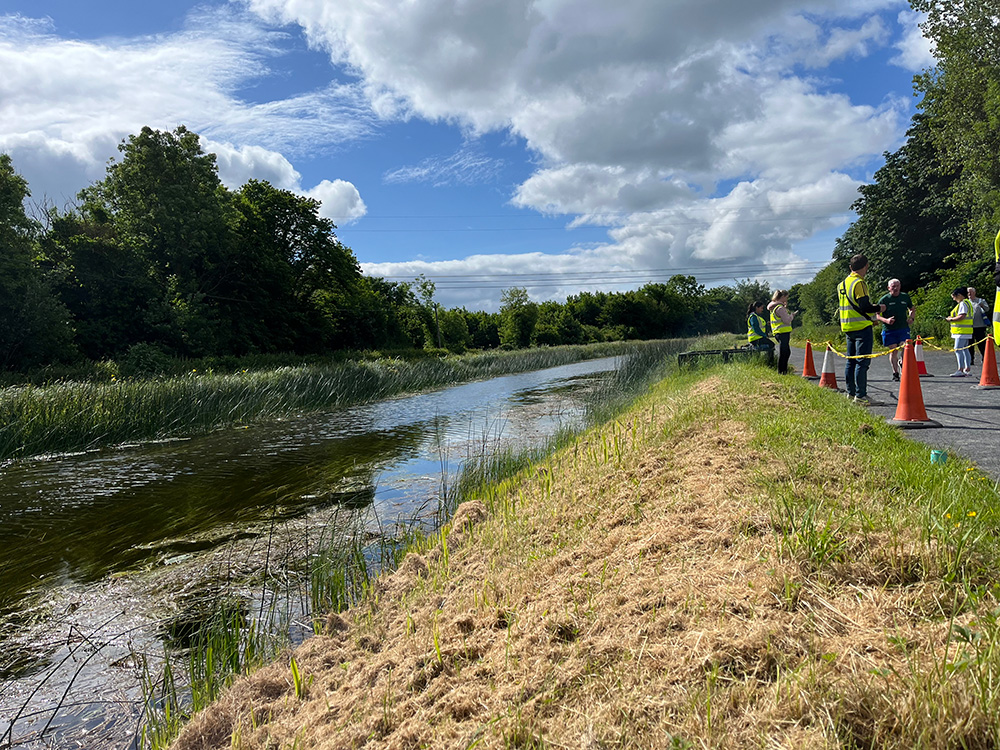
The course is an out-and-back on the canal towpath. There is one bridge but it is otherwise completely flat with no locks. Vicarstown claim to be the best parkrun in the country and their selection of drinks and cake available at the finish line makes a case for that.
There were a couple of milestones for me. I ticked off my V for the alphabet challenge. I completed every parkrun in County Laois (one of one). And I completed my 50th different parkrun event.
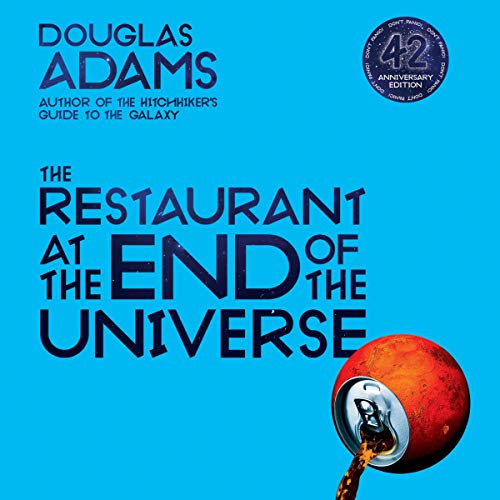
The Restaurant at the End of the Universe is a novel by Douglas Adams and a sequel to The Hitchhiker’s Guide to the Galaxy. Like the first, it roughly follows the radio series but with more detail. It’s laugh-out-loud funny in parts and a fun read.
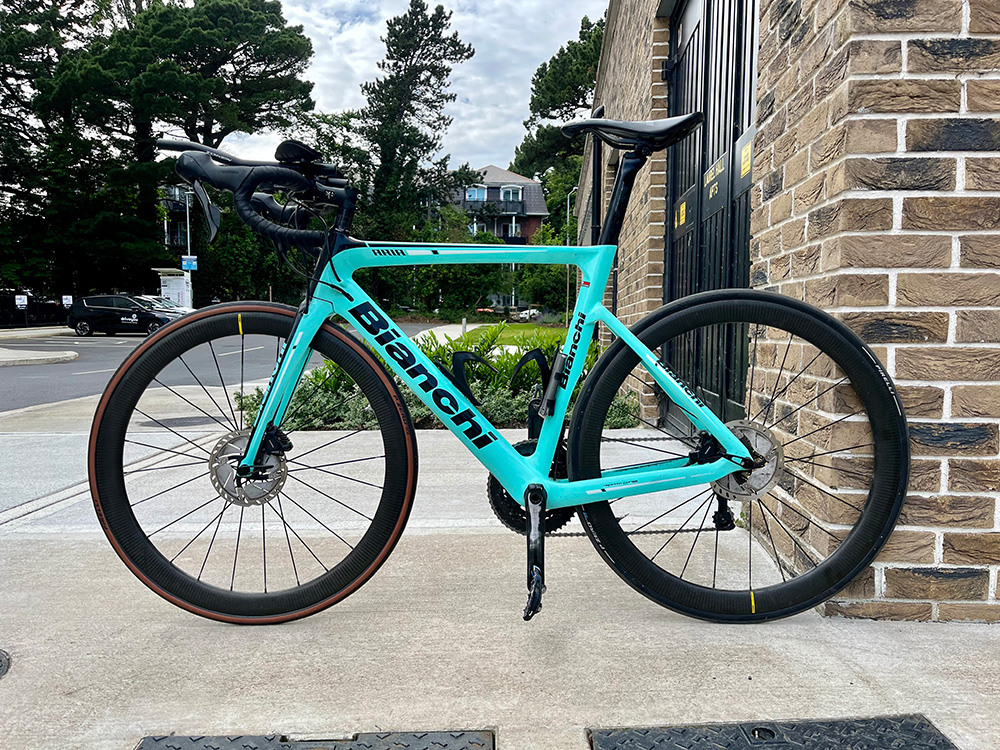
I took it into my local bike shop for a 24-hour service on 1 March. They said the seat post clamp was cracked and that they would need to order a new one from Bianchi. But they weren’t a Bianchi dealer, so they had to speak to Hollingsworth, who were, to get them to get the part. Week after week this went on as they blamed Hollingsworth and Hollingsworth blamed Bianchi.
In the end, I spoke to Woodrup and got them to order the part for me, which they kindly did and had it within a few days. Thanks, Woodrup! Having physically got the part for them, I know have my bike back. Needless to say, I won’t be rushing back to said shop.
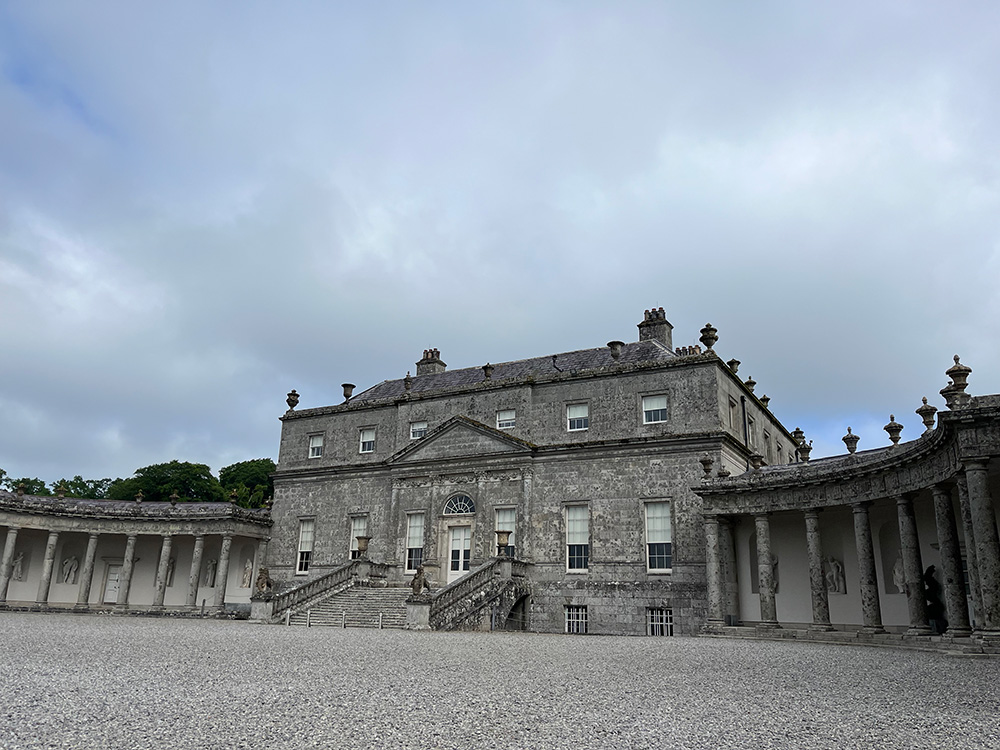
Russborough House is a stately home turned public park and home to a parkrun. Beautiful hills, a lovely house and a nice cafe with cakes inside. The route is two laps on mixed trail with some nice shade when it is sunny. Not too hilly and free parking for parkunners, too.