Recently, I received an email from someone who had seen my profile on a dating site. She didn’t mention my name, and it was just sent to “undisclosed recipients”, but I’m sure the story is all true.
How are you my dear,My name is Anita 23 YEARS girl i saw your profile in today google dating site i become interested to know more about you,hope we will move from here i am not so beautiful as those in your country,but love is all about caring and understanding,reply to my inbox So that i can send you my picture and every details about me,
ANITA
So, of course, I emailed her back.
Hi Anita,
Great to hear you saw my profile. I look forward to learning more about you :).
Love,
Chris
I’ve had bad experiences with this kind of thing before, so I wasn’t expecting much. But, to my surprise, a few days later a response dropped into my inbox.
Hello Dearest,
Thanks for your reply to my mail. How is your day? I guess nice. Dear, is a little bit hot over here in Dakar Senegal. My name is Anita Jaafar I’m 23 years 07/ 11/1989, from Sudan in northeast Africa. I am 5′ 7″ tall, Fair in complexion,Single (never married before) I will like us to be good friends shares ideals, exchange of mails and pictures with sincerity. all I need is a friendship with encouragement. I just living alone right now because my late father Dr.Omar Jaafar the managing director of of Omar’s ventures (Ltd) and he was the personal adviser to the former head of state before the rebels attacked our house one early morning and killed my mother and my father in cold blood. I am presently residing in the refugee camp here in Dakar Senegal as a result of the civil war that was fought in my country. it was only me that survive it and I managed to make my way to a nearby country Senegal where i am living now in a refugee camp, i am writing to you from a computer belongs to a Reverend Pastor that has a church here in the camp. I thank God almighty that I am alive today with good health. My hobbies are reading, cooking, cinema, movies,dancing and fond of little kids. I would like to know more about you. Your likes and dislikes, hobbies and what you are doing presently.Just share your words with me as to keeps me moving. tell me about your country, culture and things that will make me feel happy. I will tell you more about myself in my next mail,
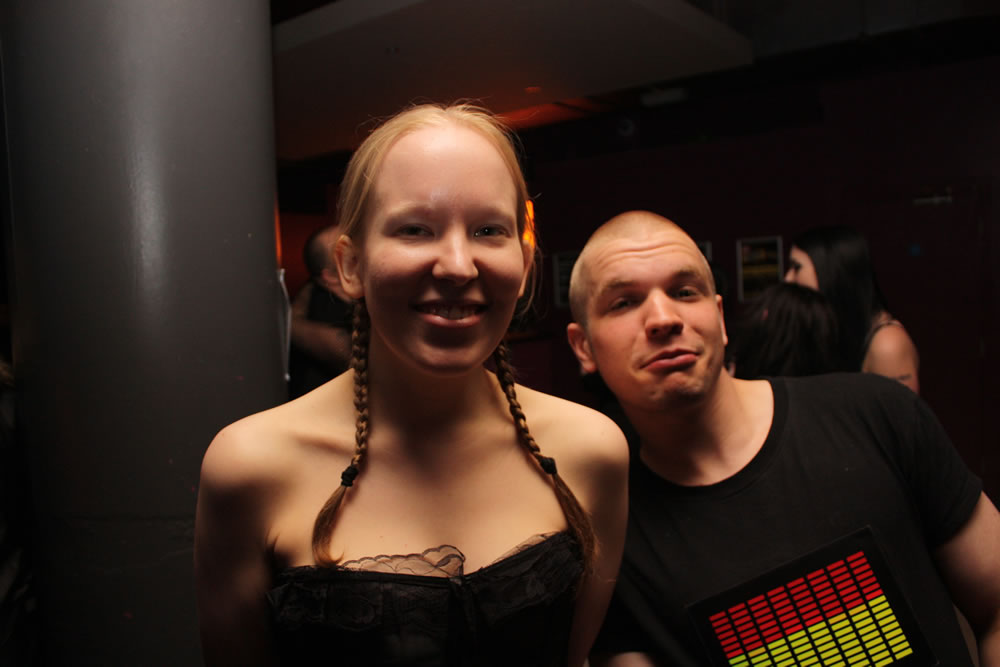
Attached here is my photo hope you will like it,
Hoping to hear from you soonest,
Yours friend
Anita,
She also attached a photo.

I responded.
Dear Anita,
How are you?
It is so good to hear from you again. I am very sorry to hear about your parents being killed, I can’t imagine how horrible that must have been for you. To find yourself living in a refugee camp must be very tough too, though it is fortuitous that you find yourself in one with such good internet connectivity. Do give the Reverend my thanks for the kindness he has shown you.
I am 29, single, and living in the north of England, where I run a software development company. It may not be the most glamorous work, but it certainly pays the bills. My hobbies include travelling, sea fishing and playing the occasional game of Secret Agent Laser Chess – a great work out for both the mind and body!
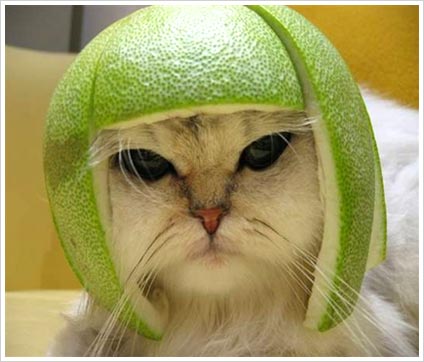
I can see from your picture that you are a very beautiful young woman. I have not been able to locate a picture of myself on my computer, so instead, I have attached a picture of my kat, Bumbles.
Best wishes,
Chris
With the picture attached.
Turns out that my kindness had paid off. She had several million US dollars in a bank account and just needed a foreign representative to help her get it out.
My Dearest
Thanks for your mail How are you today together with your health which is the most important thing to me hope fine,thank God i know you are God sent to my life.Dear,is a little bit hot over here in Dakar Senegal In this camp we are only allowed to go out only on Monday’s and Friday’s of the weeks.It’s just like one staying in the prison and i hope by Gods grace i will come out here soon.
I don’t have any relatives now whom i can go to all my relatives ran away in the middle of the war the only person i have now is Rev.Peter Adams who is the pastor of the (St’Paul église Church grand yoff Dakar Senegal) here in the camp he has been very nice to me since i came in here but i am not living with him rather i am leaving in the women’s hostel because the camp have two hostels one for men the other for women.The Rev telephone number(+221-766-507-345 )His Email (rev_peteradams@ymail.com) Here is my number the Rev father provide for me to be communicating with you,+221-771-231-472) After i explain to him in all your effort to free me out of this condition,l we like you to fill free to call me anytime to speak with me.As a refugee I do not have any right or privilege to any thing be it money or whatever because it is against the law of this country. Meanwhile, i am communicating with you through the Reverend’s Computer because is the only means we can communicate to each other .
Again I do not work nor do anything for living as a result of eating is very difficult for me as we are given food ones a day by 12 PM.I want to go back to my studies because i only attended my first year before the tragic incident that lead me to being in this situation now. Please dear listen to this,i have my late father’s statement of account and death certificate with me here which i will send to you latter,because when my father was alive he deposited some amount of money in a leading bank in Europe which he used my name as the next of kin,the amount in question is $4.9M(four Million Nine Hundred Thousand Dollars) I have informed this bank about my intention to claim my late father’s deposit and the bank said that i most to provide a foreign partner who will assist me in the transfer due to my refugee status here in Senegal. as a refugee i am not allowed direct claim of the money but through an appointed representative to the united refugee law governing, So i will like you to help me transfer this money to your account and from it you will send some money for me to get my traveling documents and air ticket to come over to meet with you.I kept this secret to people in the camp here the only person that knows about it is the Reverend Father because he is like a father to me.
So in the light of above i will like you to keep it to yourself and don’t tell it to anyone for i am afraid of loosing my life and the money if people gets to know about it.Remember i am giving you all this information due to the trust i deposed on you in other to help me get my freedom here to come over in your country for a better future.I like honest and understanding people,truthful and a person of vision,truth and hard working.Meanwhile I will you to send me your contact information’s such as your Age …..Your full name….Country&City…..Phone number…..so that i will get to know you well My favorite language is English , i speak English very fluently because both my father and mother studied in Europe .
.Mean while i will like you to call me like i said i have allot for you,
Have a nice day and think about me.
Awaiting to hear from you soonest.
Yours.
Anita
I was a bit concerned that she wasn’t really in love with me however. So I checked.
Dear Anita,
How good to hear from you again. I consider us blessed that, despite the terrible conditions, the telecommunications infrastructure of Senegal remains unaffected. It truly is a miracle.
It is a miracle also that your father deposited the money for you, and such an incredible amount too. However, I must confess that I am concerned. When you first wrote to me, I assumed it was because there was something special between us, but now I feel used. Tell me, is it simply about the money, or do you feel affection for me too?
Yours sincerely,
Chris
I just got more bank details back though.
My Dearest,
Thank for your mail.
How are you today? together with your health which is the most important thing to me hope all is well for you God will bless and reward you for every effort you are about to make to see me out from this horrible prison condition called refugee camp where i am living today as a result of the untimely death of my parents (may Their gentle souls rest in peace) My Dear lovely I have read your mail and wish to thank you for coming into my life and showing me That there are still a good one in this world thanks for your caring and concerns upon my life God will bless you OK,
Here is the contact information of the bank in UK where the money was deposited by my late father is as follows,
Name; FIBI BANK PLC LONDON
Email Address: (info.fibibank@aim.com)
Name of the transfer officer is Mr.Martin Berwarld.
Telephone number +447035983170.
Fax: +447024083382)
I have already informed this bank about my intention to claim my late father’s deposit Which my name Appears as the next of kin. the only thing the bank told me was to Provide a foreign partner who will assist me in the transfer due to my refugee status here in Senegal, as a refugee i am not allowed direct claim of the money but through an appointed representative to the united refugee law governing refugee all over the world states.
Based on this information i will like you to send an email to the transfer department of the bank today with Their email address:( info.fibibank@aim.com), Mr.Martin Berwarld, the foreign transfer officer of the bank, telling him That You Are my foreign representative and you want to know the Possibilities of Assisting me transfer my 4.9million dollars deposited by my late father of Which i am the next of kin into your account due to my refugee status here in Dakar Senegal OK.
THE ACCOUNT INFORMATION ARE AS FOLLOWS.
Name of Depositor: DR.OMAR JAAFAR
Name of Next of Kin: MISS ANITA JAAFAR
Amount Deposited: US$4,900,000.00,
Account No. 012548745154145/SCB
God bless as you do this today by sending email to the Bank for the transfer.
Thanks for Being There for me and thanks for coming into my life.
Awaiting to hear from you soonest,
Yours lovely
Anita
I pressed the issue.
You didn’t answer my question…
Chris
She never wrote back.
I was heart broken. I had weeks of material to bait her with…