February 27th, 2026 |
Life
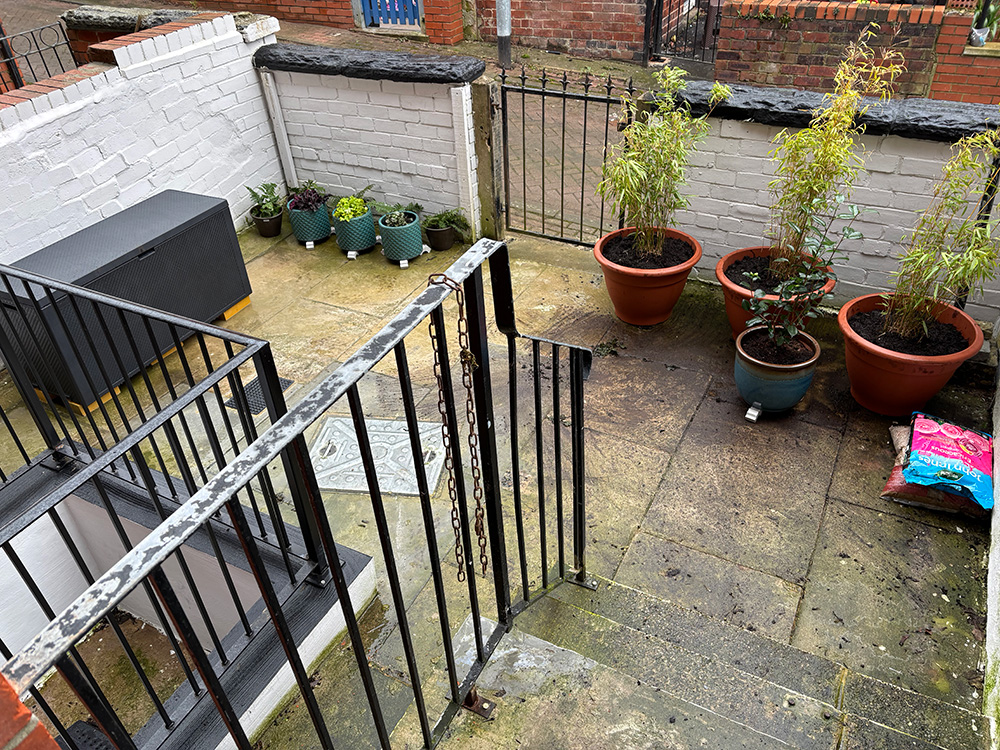
We’ve been trying to add a bit of greenery to the house and this is phase one. Bamboo over to the right with a camellia sitting in front. Then a collection of ferns and heuchera on the left. I was keen to use evergreen plants for year-round lovely views.
February 26th, 2026 |
Books
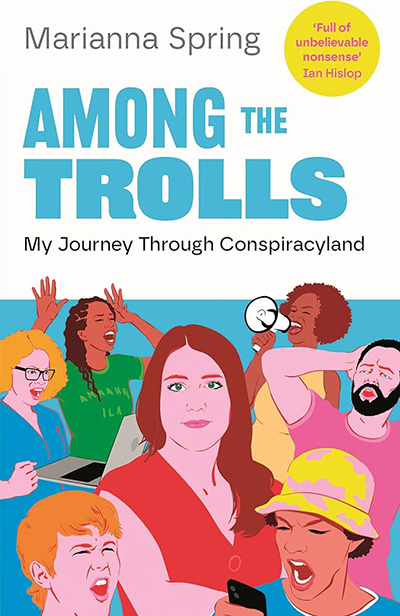
Among the Trolls: My Journey Through Conspiracyland is a book by Marianna Spring. Spring is an investigative journalist with the BBC and the book charts her work exploring conspiracy theories and disinformation. This ranges from some seemingly well-meaning but misguided COVID deniers to the state-sponsored disinformation campaigns being used to interfere with elections worldwide. It also gives an insider’s view on some of the hate that those speaking up for the truth, especially women, can be subjected to.
The conspiracy side of things broadly matches with what I would expect from years of sceptics, Humanism and psychology. Often, conspiracy theorists have these conspiracies as part of their identity, meaning that facts are broadly not important because there is a psychological need to be part of these communities. However, confronting them with the real harm they are doing to other people can be helpful.
In terms of disinformation, it was eye opening to have someone with a deep understanding elucidate how much this is going on. While I generally don’t give much weight to the comments on a political Facebook post, as it is likely to be a vocal and highly active minority, rather than a representative view, it could also increasingly likely to be bots or foreign state actors, while at the same time, the efforts of legitimate journalists are undermined by those in power making these exact same claims.
Spring comes across as someone with a lot of journalistic integrity. Which, in some ways, is annoying. People like and Michael Lewis and Malcolm Gladwell write captivating books, sometimes at the expense of sticking to the truth. Spring’s book is interesting, but not captivating, because she insists on there being complicated answers, rather than one simple but wrong one that is easier to digest. It was a good read, but I was able to put it down for large periods.
I was also aware that I was reading this at a time when multiple peer-reviewed research papers had shown the BBC was biased against the former Labour leadership (Schlosberg, 2016; Wring & Ward, 2020), and over 100 of its own staff had signed a letter saying the BBC’s coverage of Gaza was biased. These issues highlight how difficult it is to have an unbiased view.
February 25th, 2026 |
Tech
I’ve started to play around a little with home automation. Despite, or perhaps because, I’m a software engineer, I’m sceptical of this kind of technology. What’s the redundancy? What’s the failover plan? In general, I wish everything was less connected. My new studio lights can be controlled from my phone using Bluetooth. I don’t want this. I want a big button on the back. Buttons almost never break. They don’t need software updates or stop working when there is a new release of iOS.
With modern technology, we often settle for a technology that mostly works and just live with how infuriating it is. Think about all the devices you have to charge every night. Or that sometimes you cannot get signal on your mobile. Signal works most of the time. But a bunch of times it drops out or does not work in certain places and we just live with it. I don’t really want that for my lights. I want to be able to turn them on and off every time like a light switch does.
But despite all of this, I have decided to give it a go, because I am too lazy to turn both lamps on when they are at separate sides of the room. Now I can do them both from my phone. I explicitly went with smart plugs that have a physical button on them, so if whatever infrastructure is used to control them goes down, I can just hit the button to operate them.
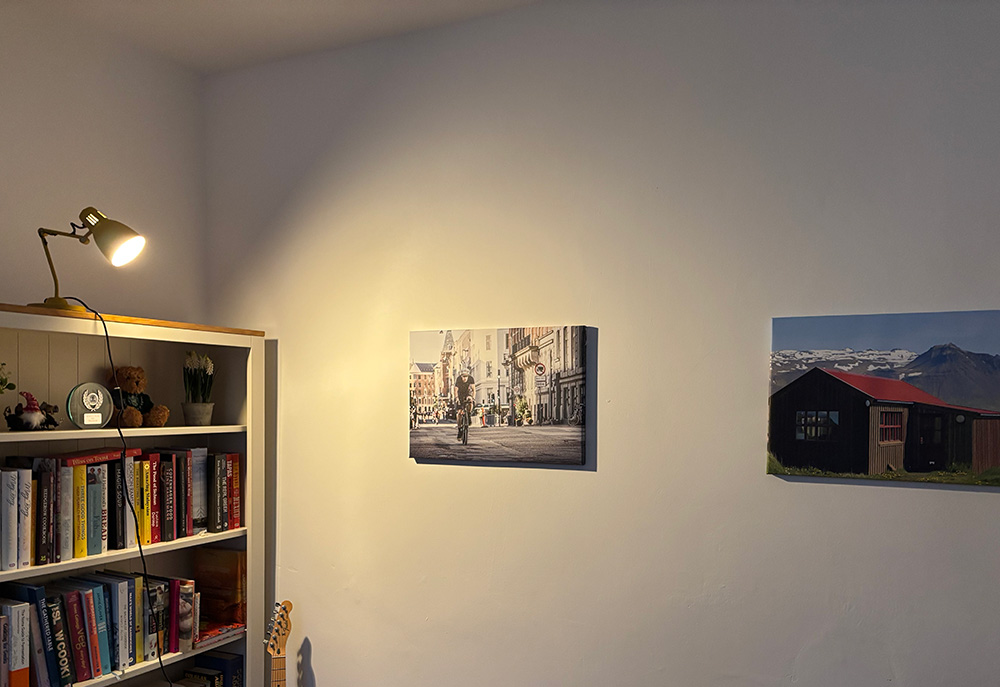
As a result, I now have some lovely accent lighting on my canvas prints:
February 17th, 2026 |
News
Leeds Autism Practice is excited to announce we’re now offering autism assessments for under 18s. These aren’t bookable online yet, but contact us to for availability. You can also read more about the process on the Leeds Autism Practice website.
February 11th, 2026 |
Sport
I think the major victory here is that, despite my advancing years, I stayed awake for the whole thing. The end scoreline might suggest there was a bit of a contest. But the Seahawks were never under pressure and always in the driving seat. Bad Bunny’s half time show was excellent.
February 9th, 2026 |
Life
It’s been at least 12 years, and possibly as many as 17 years, since we threw a housewarming. They used to be raucous affairs. Now they’re very grown up, the alcohol has been swapped for canapés, but the conversation is just as top-tier as ever.
January 26th, 2026 |
Sport
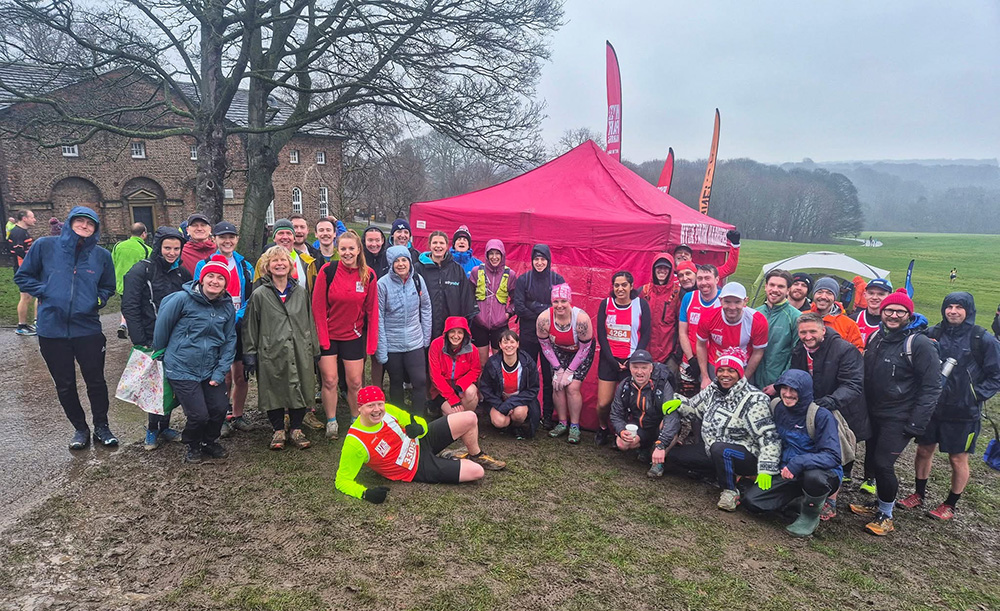
It rained all day. So much for Dry January.
This made things really muddy. There was no escape from the mud. Every time I put my bag down to get something out of it, there was mud all over the floor. My beautiful new changing robe is now covered in mud. There is supposed to be mud on the course – it’s cross country. But it would be nice if there was a safe space somewhere.
The course was nice enough. Not brutally hilly, just regular Temple Newsam hilly. There were several water crossings. The deepest was well above me knee and on some of the shorter people, up to their waist. It is a good job I had my phone in a waterproof bag. I managed to get around without falling over, so that was nice. Might need some specific soft mud shoes for next year, though.
Lots of lovely baked goods at the end. Thank you to everyone who baked and th team captains for organising.
January 25th, 2026 |
Sport
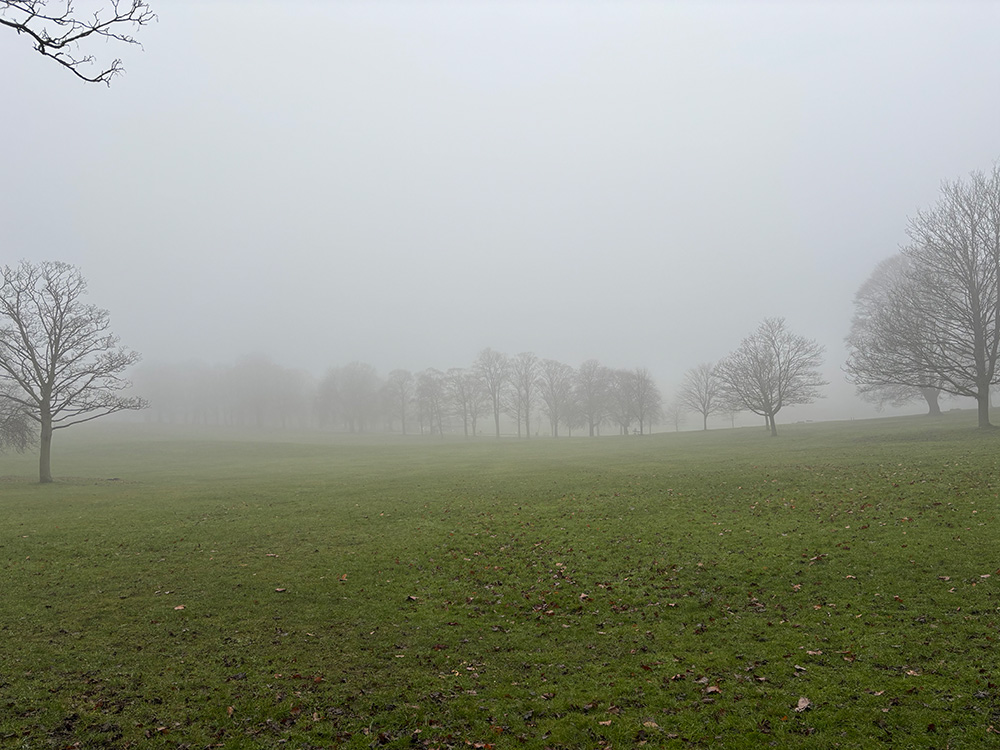
A beautiful misty morning for Roundhay’s 700th event. This ticked a box for me, too: it was my 7th Roundhay parkrun which takes my p-index to 7. Not bad given I only reached 6 earlier this month.
January 24th, 2026 |
Life
We recently moved house. Wouldn’t recommend it.
January 23rd, 2026 |
Life
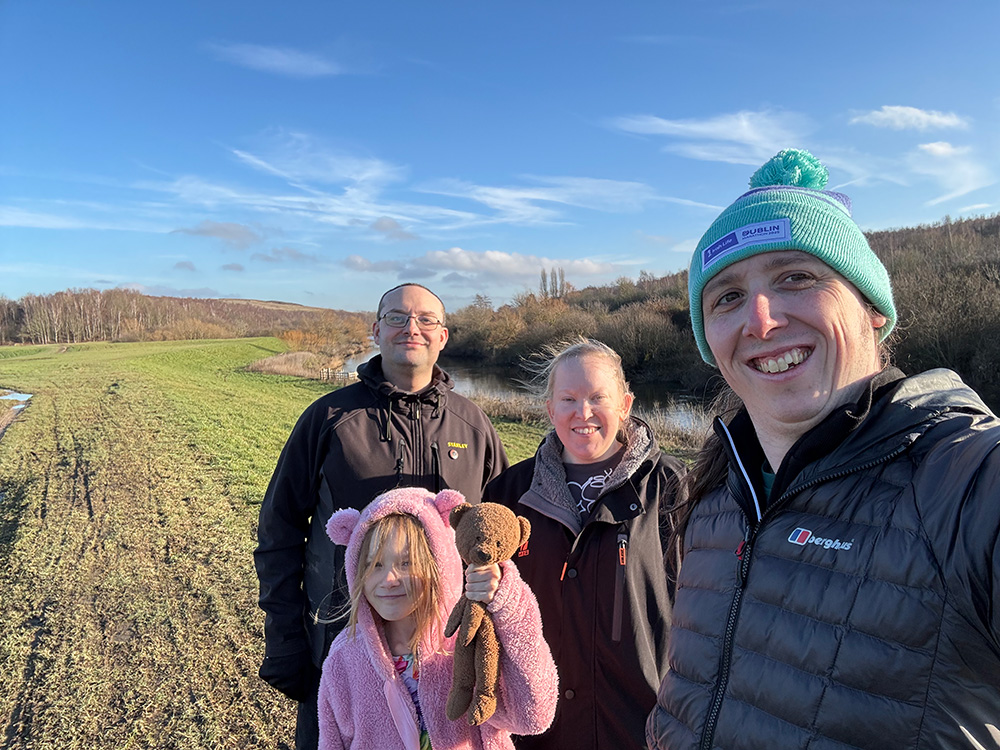
A day out at a service station? What a great idea. Skelton Lakes offers a track around the lakes and you get to see plenty of birds. But it is muddy, though. The most muddy you can be without officially being a bog, I think. Might have ben a better idea to take the tarmac path over to the canal. Lesson learnt. The service station offers toilets, food, and three hours of free parking.