Stephen Hawking, 1942-2018
March 16th, 2018 | Life
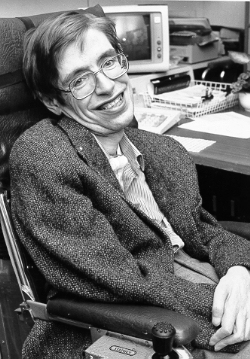
Farewell Stephen Hawking. You were the greatest skateboarder I ever knew.
Farewell Stephen Hawking. You were the greatest skateboarder I ever knew.
Daycare closed on World Book Day because of the Beast from the East. They re-scheduled it for a week later, which meant it fell on International Women’s Day. So, we sent Venla as Offred.
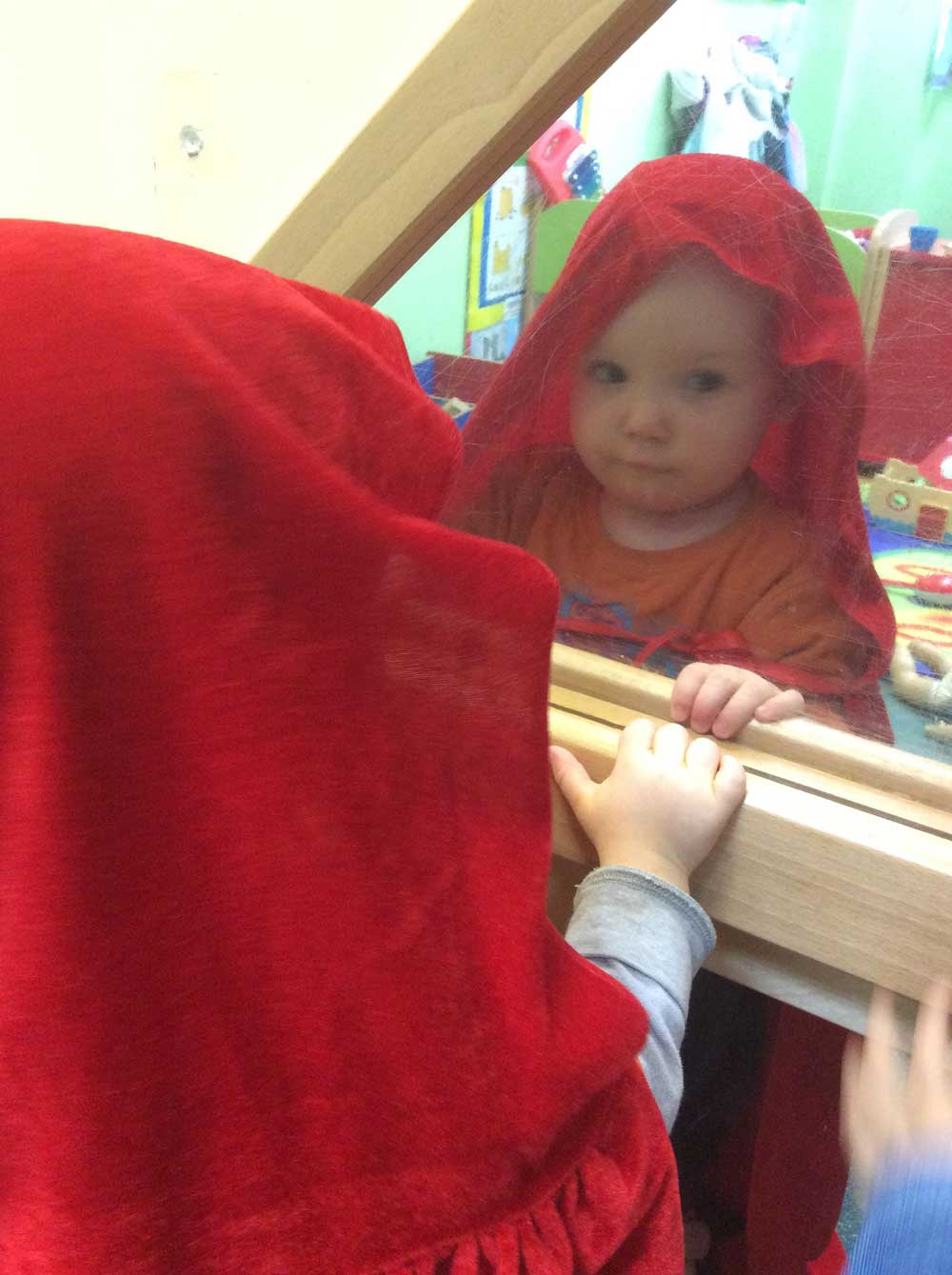
Unfortunately, Venla had no interest in supporting her fellow women by representing the irrepressible spirit of a character who fought against the ultimate patriarchy. She only wore her cloak for two minutes and refused to wear her bonnet at all. Or, perhaps she was signalling her intention to attack the State of Gilead before it is even formed. Only time will tell.

I’m pleased to announce the launch of my new course, Heroku for PHP. I love Heroku as a hosting platform, and there were no Udemy courses on how to use it with PHP. So, I’ve filled the gap. For a very reasonable $29.99.
You can check it out here, and that link will save you an additional $10, too.
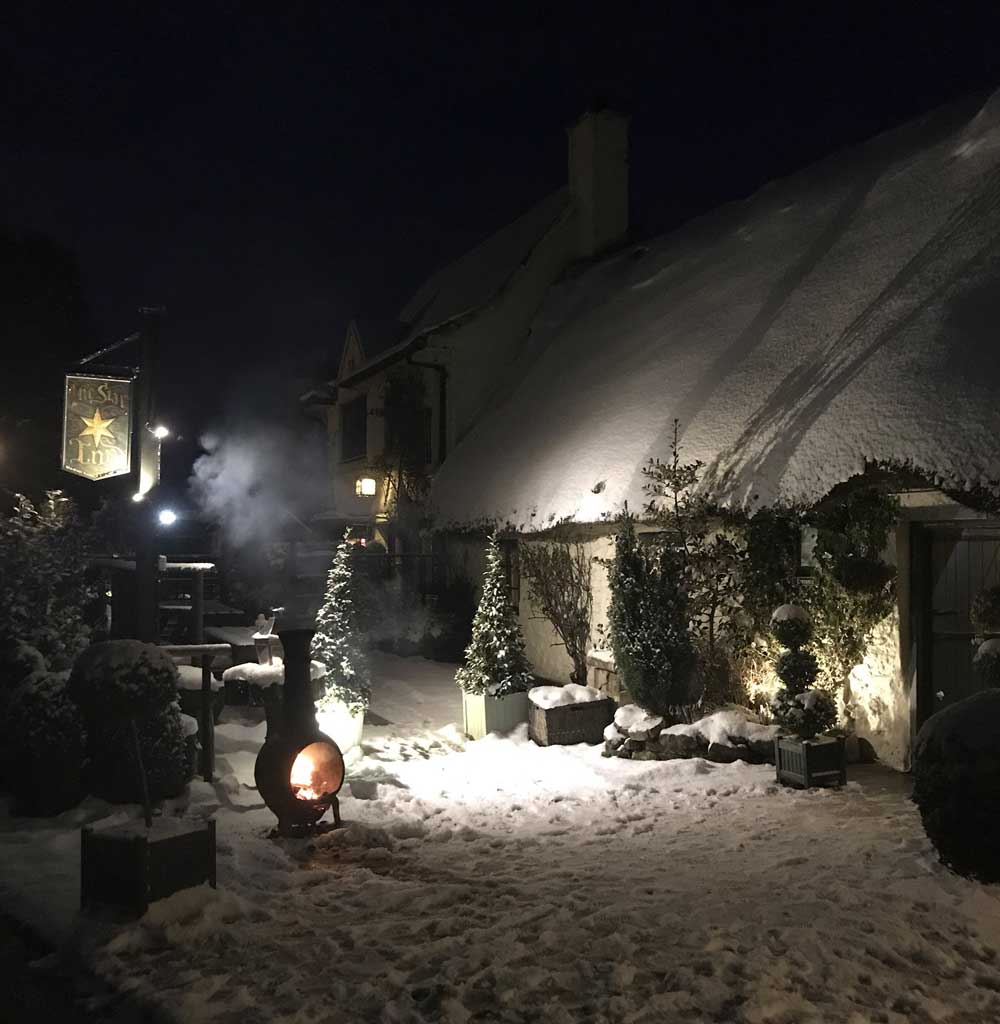
The Star Inn, also known as The Star at Harome is a Michelin-starred restaurant by Andrew Pern, located on the edge of the Yorkshire Moors.
It’s set in a 14th century thatched cottage with an open fire. The ceiling is a bit low: fine for us, but I felt bad for the tall waiter who had to duck every time he moved through the dining room. The atmosphere was intimate, with only a few tables nicely spaced out in each room.
The food was excellent, but not mind-blowing. What I mean by that is that they have executed the dishes very well. They are skillfully crafted and delicious. However, they are not anything you won’t have had before: it’s just gastropub food done to a very high level. No bad thing.
I started with The Rockpool: a langoustine bisque containing king scallop, mussels and a selection of other seafood delicacies (maybe a bit of lobster or an oyster, I’m not sure). After that, I moved onto the venison before finishing with the chocolate torte.
Each dish was well thought through in terms of presentation. I think my starter shined more than the main. Elina had the beef consomme to start, followed by the mutton which was packed with taste. There was a mix up with the dessert when she got rice pudding instead of ice cream, but at least there was a birthday candle in it.
They had soft drinks, which beat out our last Michelin experience. That said, I think I managed to disappoint the waiter. When I inquired as to what they had, he said they had a lot of things so just name some. I named dandelion and burdock, followed by Iron Bru, both of which came up short. They did have a good selection of juices and fizzy drinks, though. And the alcoholic selection was extensive, of course.
It’s a reasonably priced place. We spent just under £100 ordering from the à la carte menu. That got us three courses, plus several little bonus courses, and some soft drinks. The tasting menu is a bit more expensive but they also do a very reasonable locals menu which is £25 for three courses.
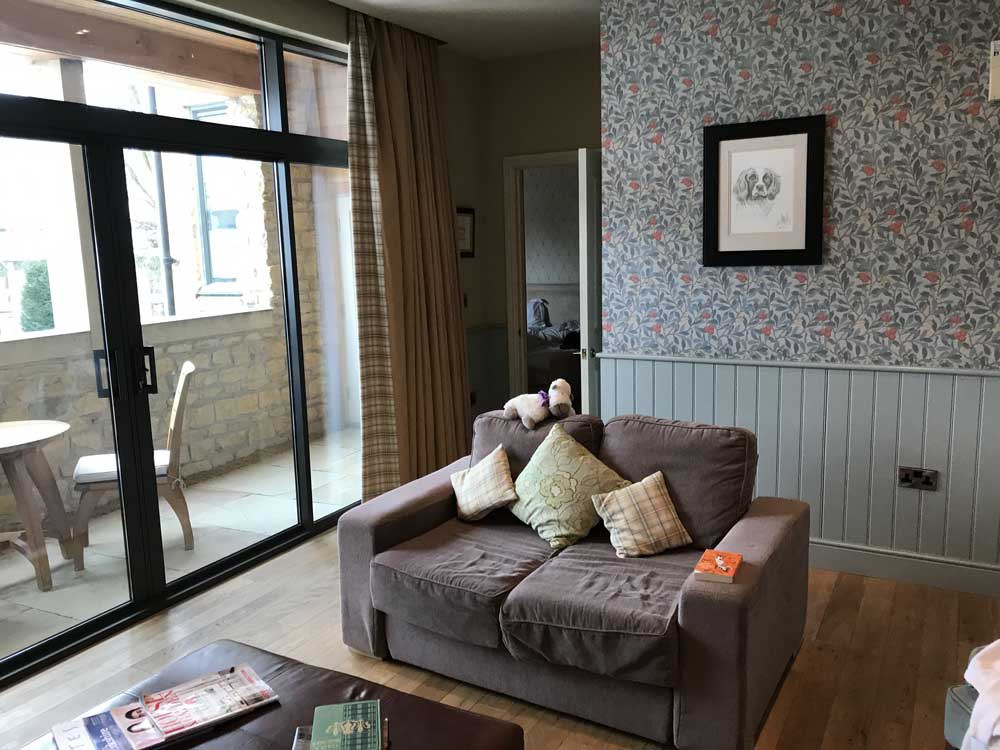
Here is our review of the Feversham Arms hotel in Hemsley.
I’m describing it as “pretty good”. The staff were friendly. The room was nice: we were given an upgrade to what I think was a junior suite as we had a separate lounge and bedroom. The shower was big enough to fit both of us in. The room was draughty, though, thanks mostly to the door to the balcony. We had to keep the curtains drawn across it to keep the room at a reasonable temperature.
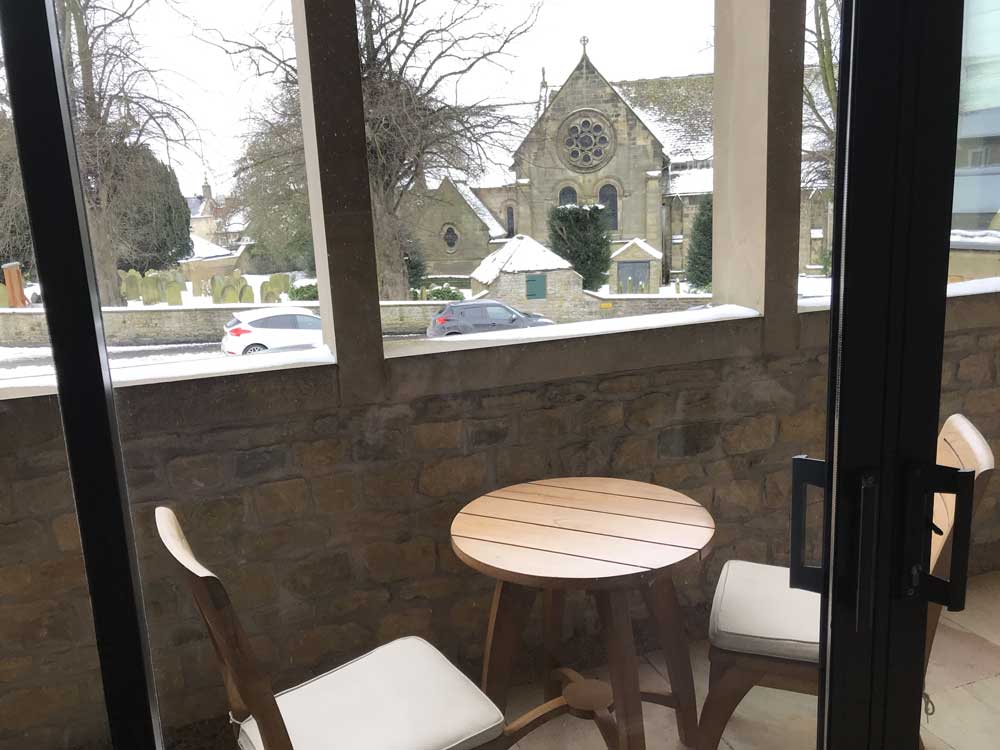
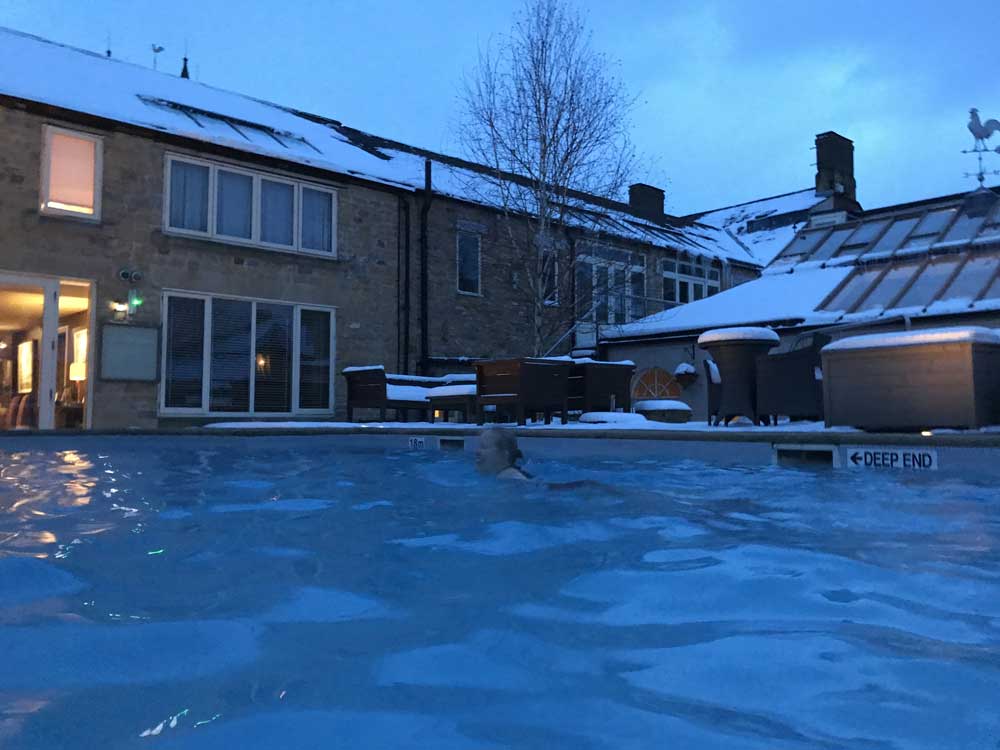
The spa was okay. There were a bunch of different sauna and steam rooms. One sauna is pretty much the same as the rest to me, but Elina suggests it might be more fun if you are a hen party who enjoys going from room to room and saying things like “oh yes, this is soooo relaxing”. The hot tub wasn’t working and the heated pool couldn’t stay warm enough given the snow, but we did manage 10 minutes in there.
We didn’t bother going back to the spa in the morning as it wasn’t that exciting. The night’s sleep was a good one: nice and quiet. Breakfast was good-quality hotel standard. We also received a goodie bag to take away, containing a brochure of their other hotels and two bottles of water.
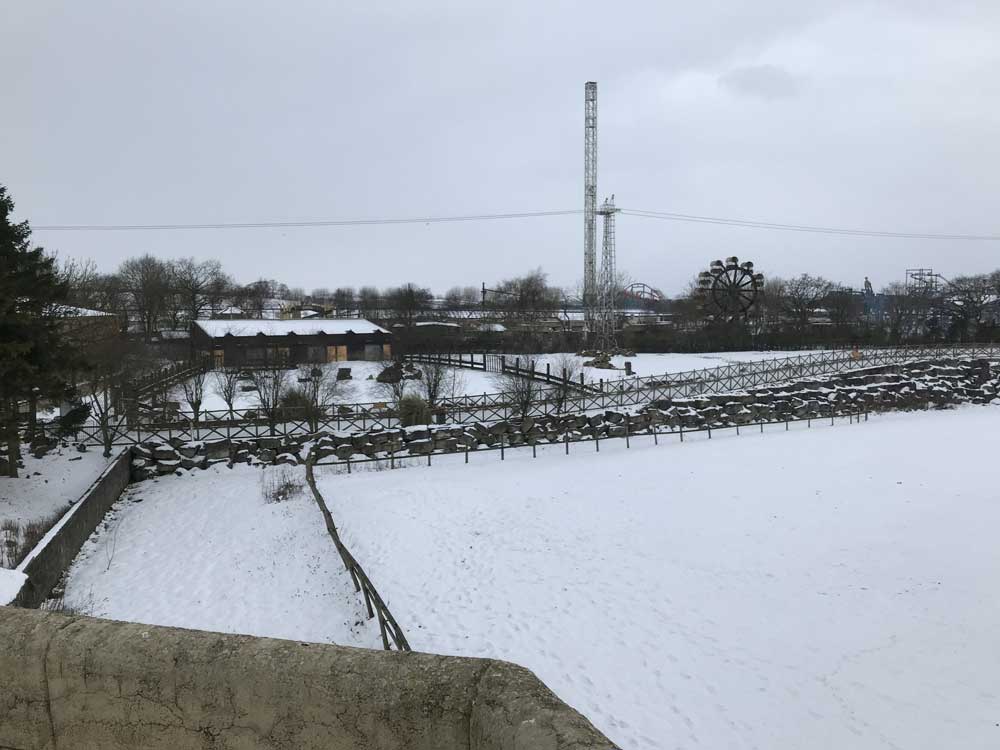
If you have watched Scooby-Doo, you will no doubt have seen one of them any episodes set in an abandoned theme park. If you have ever wondered what it would be like to be in such a place in real life, you might want to visit Flamingo Land in winter. Because we had the entire place to ourselves.
How did this happen?
As part of taking Elina away for her birthday, I booked tickets to the zoo. It sounded ideal: the theme park half of Flamingo Land shuts in the winter, so the tickets are cheaper and nobody who enjoys theme parks bothers attending. As people who just want to go to the zoo bit, this was perfect.
Then, the Beast from the East hit. The roads were near impassible and the temperature was below freezing.
We went anyway. But nobody else did.
Literally nobody. Except for the staff. We spoke to a lot of the zookeepers, who were happy to talk to us given there was nobody else there, all of whom informed us that we were the only customers in the park.
We started by feeding the giraffes. I was worried that the giraffe would eat me but the zookeeper assured me that it hasn’t eaten anyone to date. That’s the way I would lull humans into a false sense of security if I were a giraffe, though.
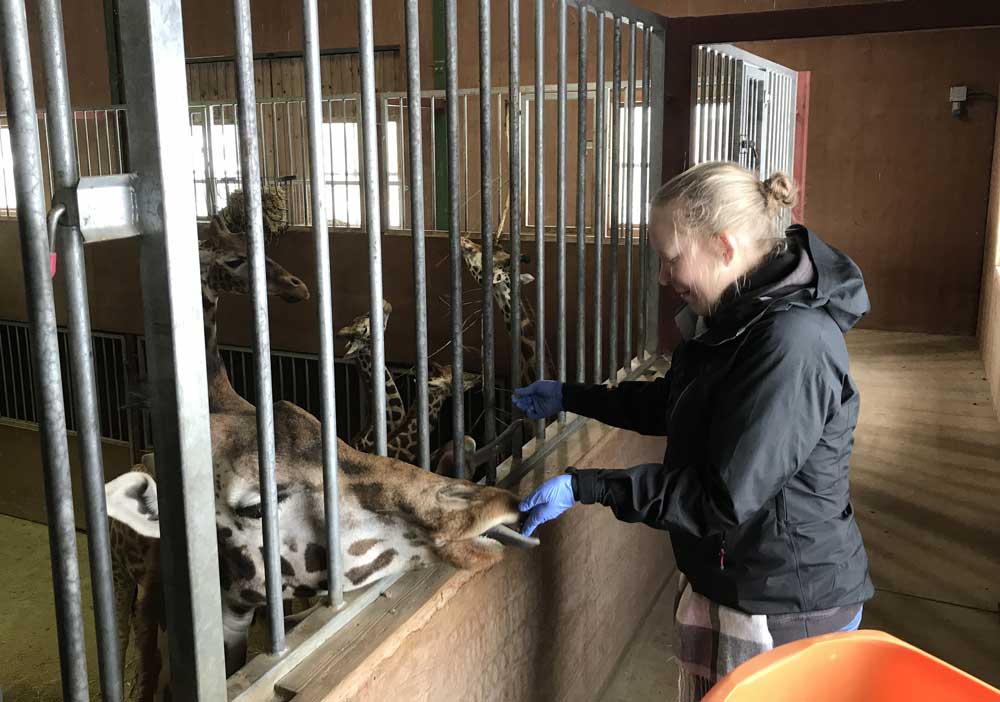
They have very long and dexterous tongues that they use to take the food out of your hands.
Despite the cold weather, we got to see lots of animals. The rhino sheds were open, the birds and the Wallabies were out, even the camels and lemurs came out briefly for a look around. Despite the penguins being from South America, and therefore not used to the snow, they came out for a quick swim, too.
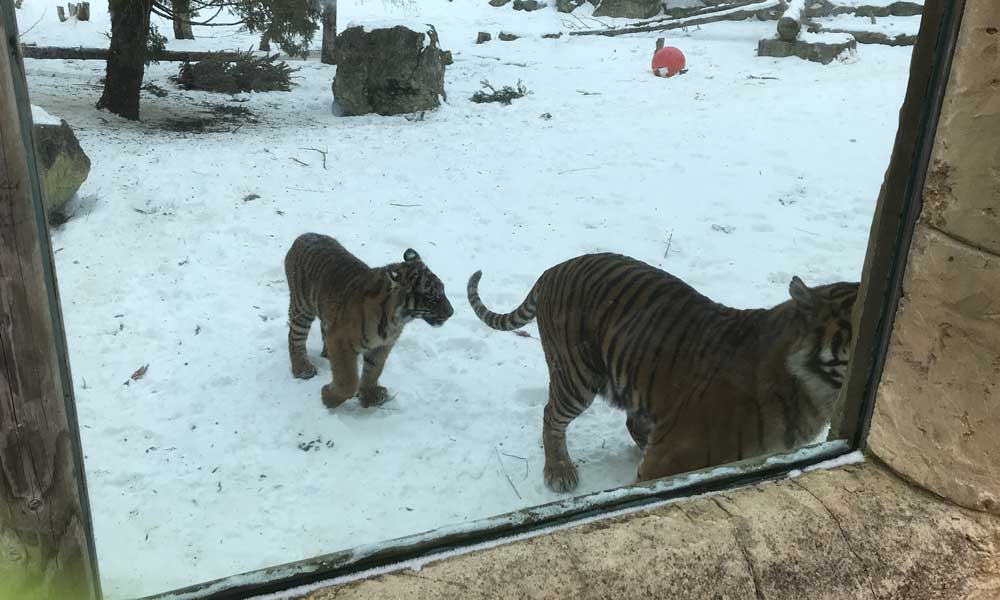
We caught a couple of feeding times including the tigers, who seemed to enjoy the snow, and the red pandas, who seemed unphased by it, too.
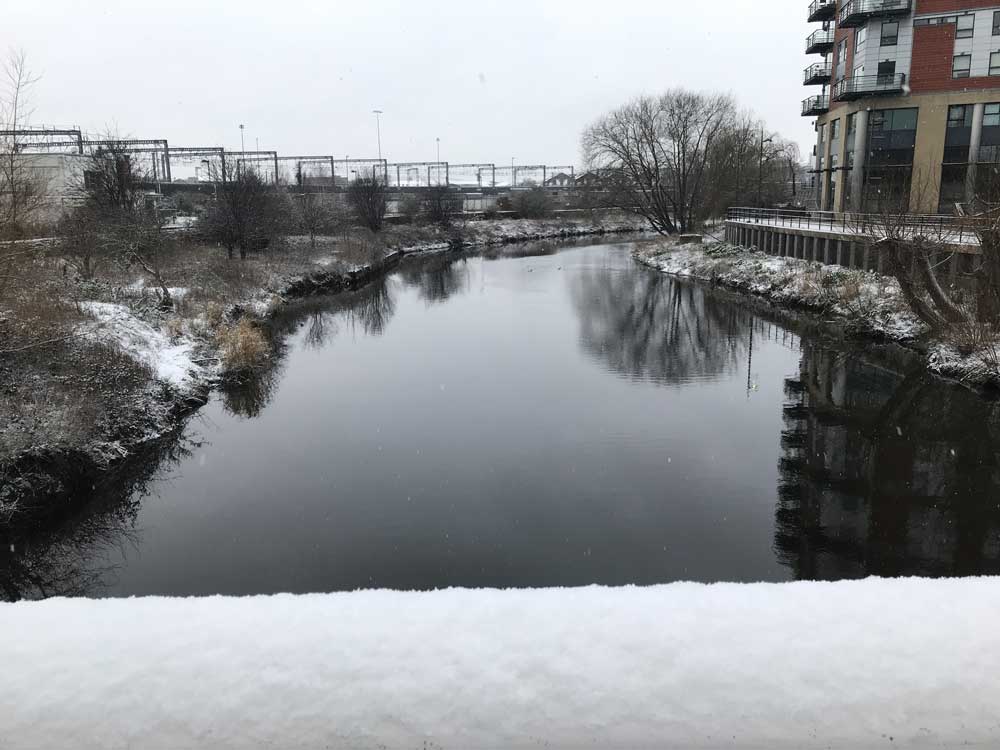
When the Finnish military does operations, the enemy always comes from the east. Nobody is saying that a specific country is that enemy, it just happens to come from that direction. Just like now, when nobody is saying that the horrible weather is a punishment by god for the way Russia treats gay people. Even though we all know it is.
It’s been pretty heavy. Although I’m not sure I agree that it’s been heavier than anyone can remember. Take a look at the snow in 2013, 2009 and 2008, for example.
And, as usual, the country grinds to a halt because that’s more cost-effective than paying for all of the things we would need to carry on.
Whether we really need such as grind is questionable, though. Schools across Yorkshire closed. Venla’s daycare closed. Many offices, including Univar and Sky closed.
But why?
University remained open. I went to all of my lectures and lab sessions. The Edge remained open, too, and all of my exercises classes were still on. I even went swimming thinking I would have a quiet pool and found it just as busy as normal. It feels like an odd parallel world where half the people are panicking and the other half are just getting on with life with absolutely no disruption.
Travelling is one area where the snow can get in the way. But it doesn’t always have to stop you.
I had booked a night away for Elina and me to celebrate her birthday. A lovely country hotel in the Yorkshire Moors. Of course, then this happened.
It should have been an hour and a half’s drive. We set off up the A1, got all the way to the A170, up Sutton Bank and then, just 14 miles from our destination, found the police had closed the road. So, we had to come back down the A19, across to the A64, up the A169 and over the A170 in the other direction.
This turned the entire journey into three and a half hours of driving.
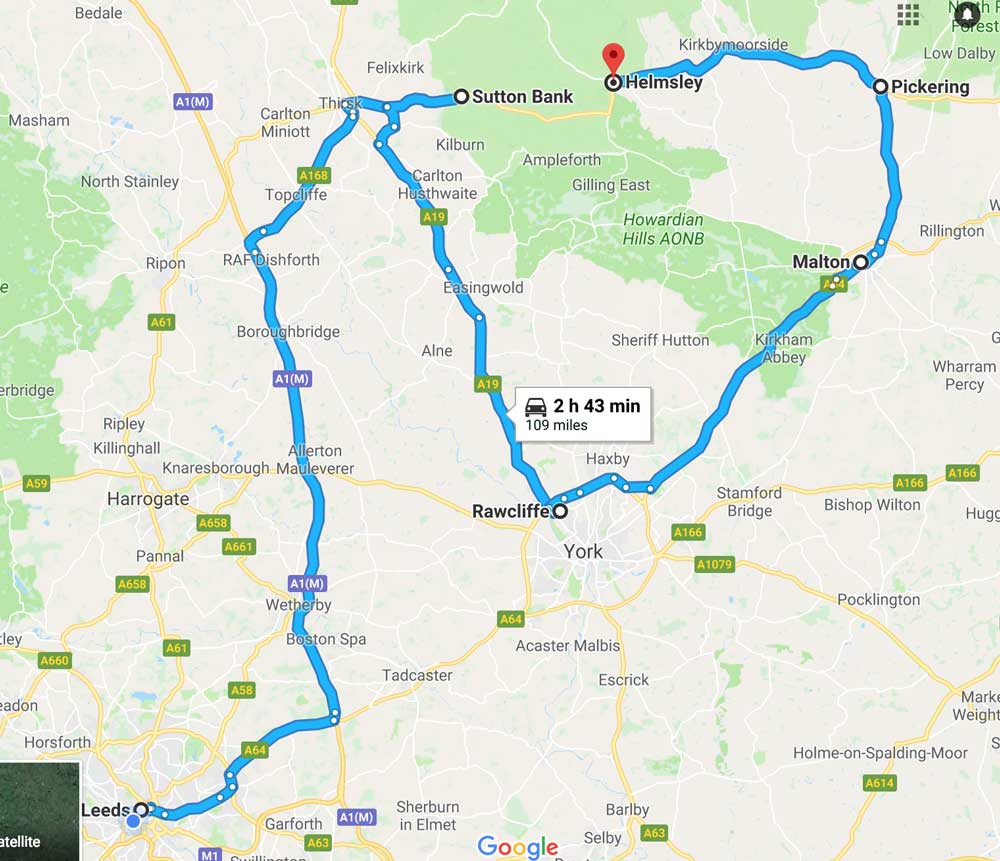
A massive pain in the ass. But we made it, in a little two-wheel drive Astra with regular tyres on.
And if there was any remaining doubt that normal activities can be accomplished during snow, here is Elina and me taking a swim in the outdoor pool.
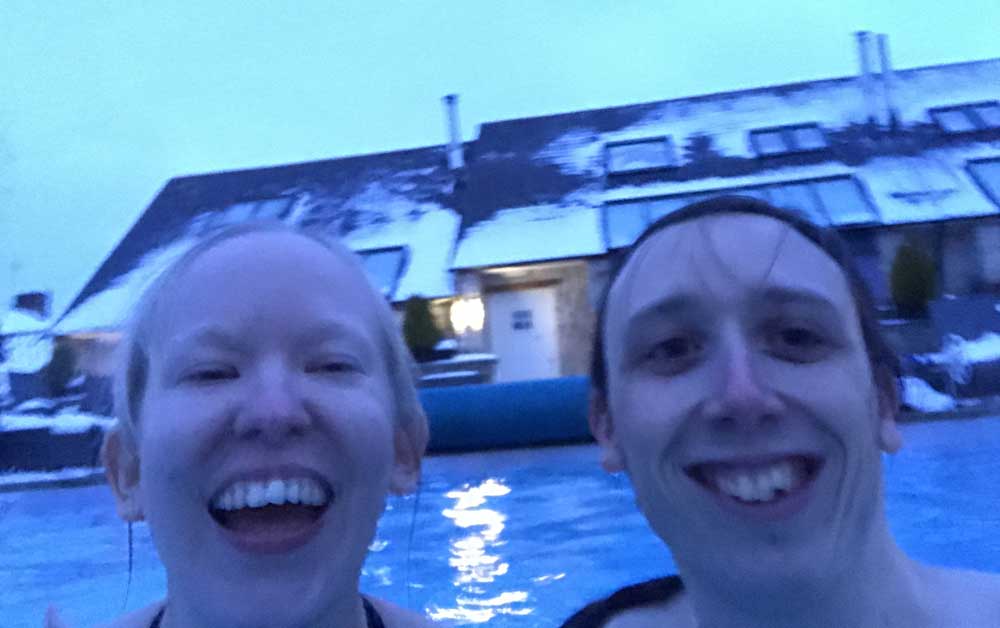
To be fair, it was a heated pool. The heating wasn’t working properly, so it was colder than it should have been, but still not the frozen block it would have been without the heating.
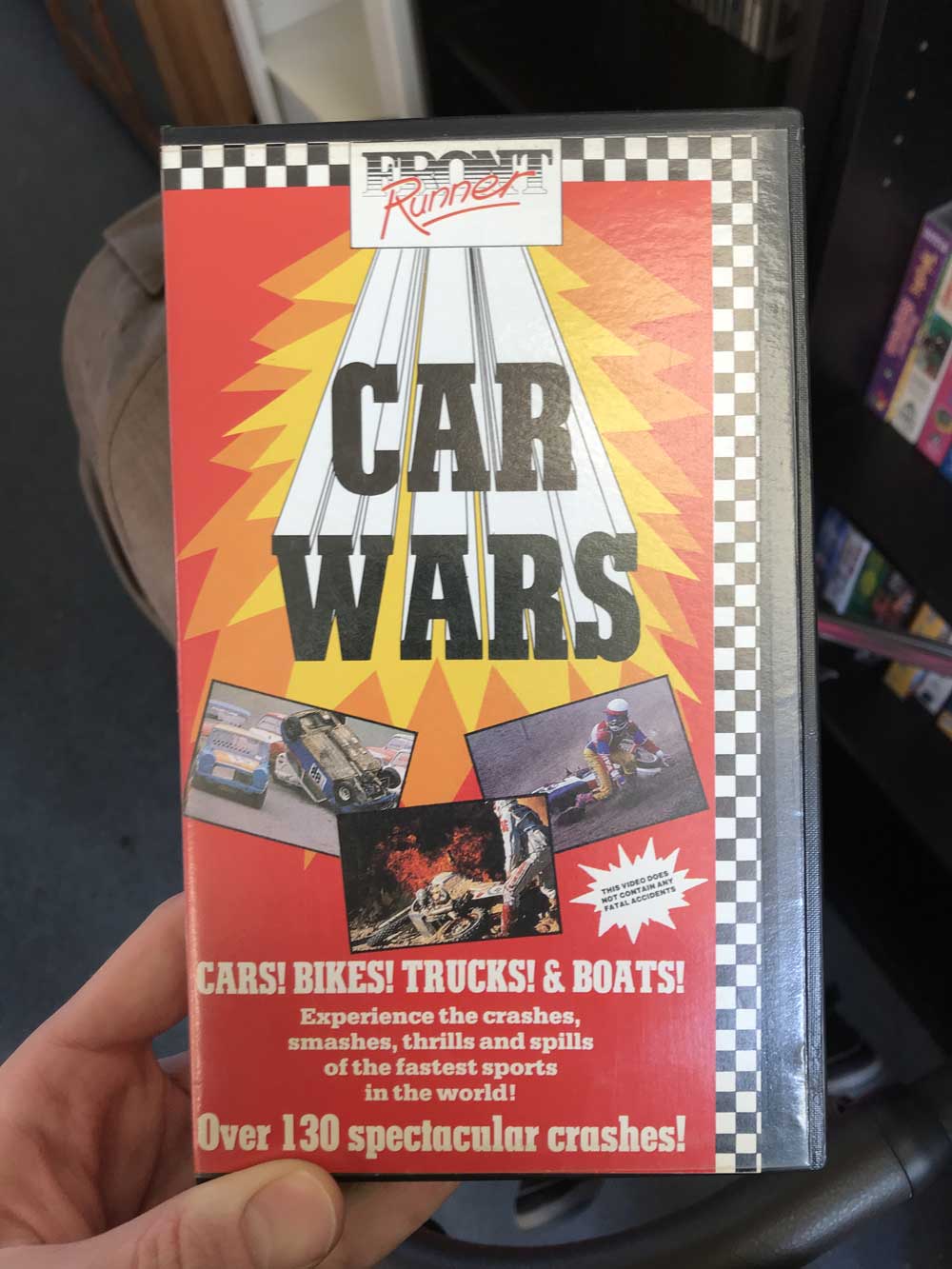
I was in a furniture shop in South Leeds called SLATE last week. They had a selection of media available for sale, too, including some VHS cassettes. Such as this one, featuring “over 130 spectacular crashes”.
I don’t know how anyone can look a this and not think about Alan Partridges “Crash! Bang! Wallop! What a video!”
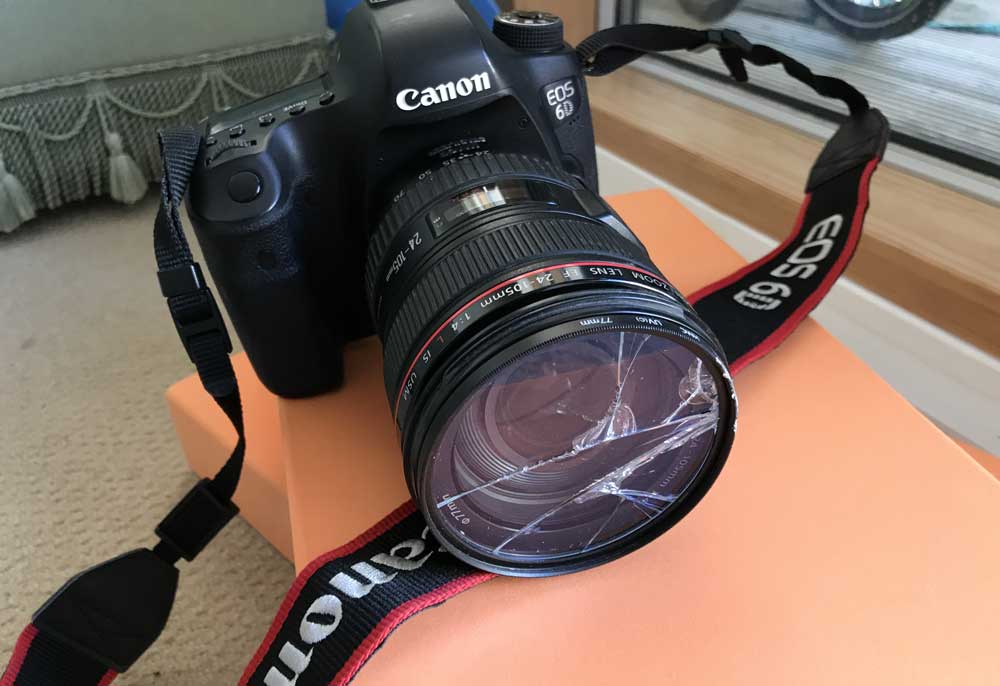
I’ve used DSLRs for a decade now, including my 6D for five years. In that time, I’ve never had an accident with it. That is, until now.
I was out filming on a windy day and I didn’t put enough weight on the tripod. The wind caught it and over it went, lens first.
Luckily, it was nowhere as bad as it could have been. I put a UV filter on the front of all of my lenses in an attempt to protect them. It worked: the filter smashed but the lens underneath it surprised. So, a quick repair at the local camera shop, a new UV filter and a new lens hood and the camera was as good as new.
What should we learn from this? Weight your tripod and make sure you have a filter on the front of your lens, even if it is only there for protection.