Chris Worfolk's Blog


Psychology textbooks

June 7th, 2018 | Books

I’ve spent the last year of my life reading a lot of psychology textbooks. In this post, I’m going to briefly discuss a few of them to help sort out the ones I liked from the ones I liked less.

An Introduction to Child Language Development

This is a short book by Susan Foster-Cohen. It has exercises and summaries thrown in but is otherwise just text. I didn’t find the summaries of each chapter very useful.

An Introduction to Developmental Psychology

Second edition edited by Alan Slater and Gavin Bremner. This is laid out in life sequences. However, the sequences are so broad that topics such as cognitive and language development are self-contained sub-chapters in themselves. It provides a good overview.

An Introduction to Stress & Health

This book by Hymie Anisman is a bit wall-to-wall text. However, it does provide a comprehensive discussion of the issues surrounding stress and health, including the concepts of appraisal and coping mechanisms.

Biological Psychology

Book by Marc Breedlove and Mark Rosenzweig. I did not get on with this one. It’s just walls of text.

Biological Psychology (12E)

This book by James Kalat is my favourite textbook on biological psychology. It is sometimes a little light on detail but covers all of the material and has lots of useful diagrams.

Cambridge Handbook of Child Language

This edited book by Edith Bavin has a large list of contributors. I only read the section on the usage-based theory of language by Michael Tomasello. It’s very wall-of-text but sufficiently concise that I managed to get through it while acquiring an understanding of Tomasello’s ideas.

Child Development

Useful because it goes through stages, but otherwise not that fun.

Handbook of Child Psychology

These books are huge and multilayered. The whole thing is edited by William Damon, but I only read volume two, edited by Deanna Kuhn and Robert Siegler. Specifically, I read the chapter grammar by Michael Maratsos. It’s heavy going, and a lot of text, but broken down into reasonable sections. It’s only worth reading if you really want to get into the detail.

This is an edited book by William Damon

Introduction to Biopsychology

This book by Pinel & Barness was the standard textbook used in our course. For good reason: it is well laid out and covers the main topics effectively.

Language Development: The Essential Readings

Edited book by Michael Tomasello and Elizabeth Bates. It’s a collection of papers compiled together. Most are laid out with roughly the same headings you would expect in a paper (method, results, development), but not always and the headings could be more clear. That apart, the papers are interesting and relevant. There is some author bias, though.

Lifespan Development

Sixth edition by Denise Boyd and Helen Bee. This book wasn’t ideal for our course because it is laid out in life stages, whereas we focused on topic areas. However, different topic areas were mostly in one chunk, such as cognitive development, so, in the end, it provided a concise overview. It’s quite well laid out for a textbook with good summaries and highlighted boxes.

Making Sense of Data and Statistics in Psychology

I think this was the first book I checked out of the library. It is by Brian Greer and Gerry Mulhern and appealed to me because it was relatively concise. However, it attempts to avoid teaching you the concepts straight up and instead uses lots of dialogues and round-about ways in the hope this will be more engaging. I couldn’t really get on board with it.

The Process of Research in Psychology

Nice introduction to research methods by Dawn McBride. I was able to read it all. It certainly doesn’t have the detail of books like Coolican’s, but it does give you a manageable amount.

Research Methods and Statistics in Psychology

Very good book by Hugh Coolican on conducting research, methodology, statistics and writing up. It’s reasonably light on the maths and instructions on using SPSS, but points you in the right direction. There are sample write-ups to follow, too.

Stress, Appraisal, and Coping

The original work by Lazarus & Folkman. It’s quite accessible for a classic piece of literature.

Stress, Cognition and Health

This book by Tony Cassidy provides a short and concise introduction to some of the theories behind stress and their impact on health. If you’re not too picky you can read through it in an hour or two and the topics are well organised.
Flat n Fast 100

June 6th, 2018 | Sport

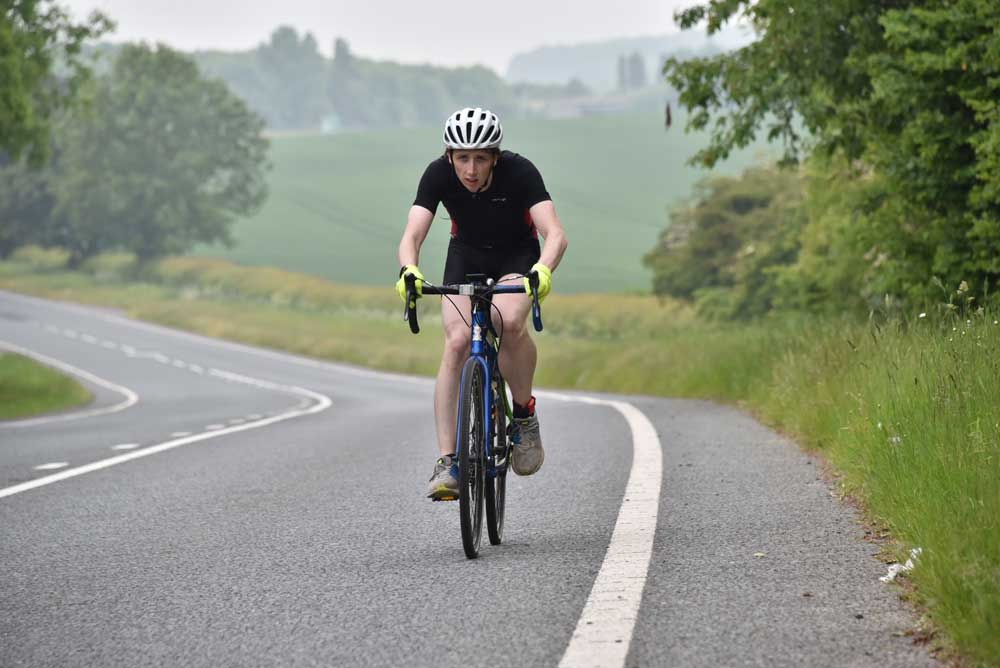
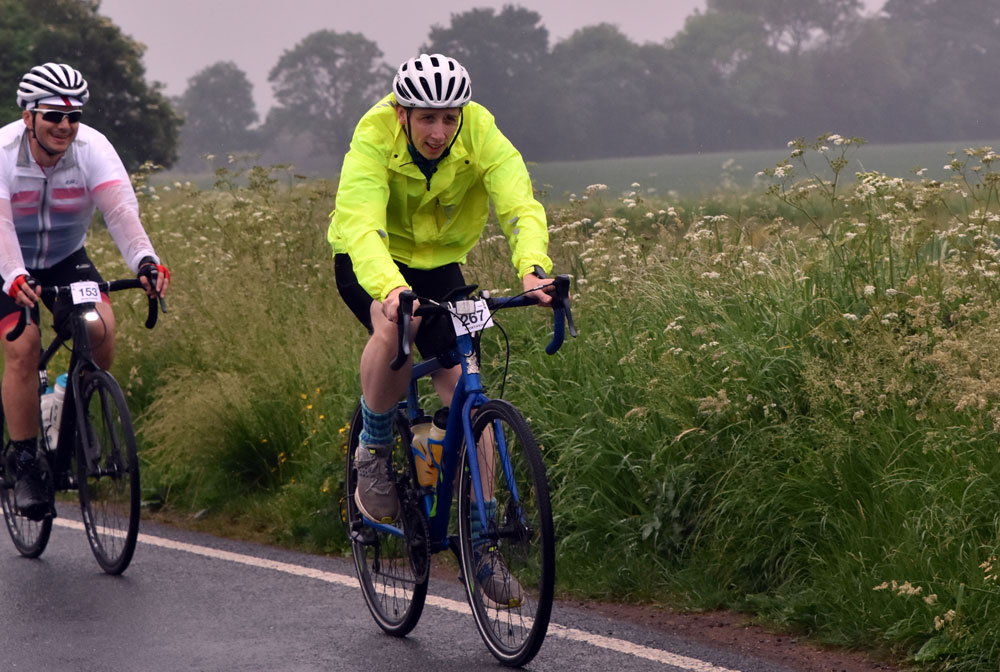
Last week, I completed the Flat n Fast sportive in Thorne, South Yorkshire. As you may guess from the name, it is about completely a century in either kilometres or miles. I went for the slightly easier route, which totalled to 106km.

It was the farthest ride I’ve ever done. That said, it really is flat. There were less than 250 metres of climbing over the entire distance. Compare that to the more than 1,300 metres in my 90km Tour de Yorkshire ride. So, by comparison, this one should have been slightly easier.

I felt good for most of it, although the constant rain did gradually sock my feet. By the last 10-15km I was starting to feel the fatigue and that is the point we ran into a headwind. Luckily, I was riding with Bogdan so we could take it in turns to sit on the front.

The event organisation was so-so. It was well organised in terms they had a venue, signposts and marshalls. But the route was a bit rubbish. There were lots of industrial estates and busy roads. Maybe it is difficult to avoid them if you want flat ground but it doesn’t match up to the quiet roads and country views of previous events. There was one feed stop and one “tea, coffee and biscuits” stop. There was a big queue to get started, but that seems to be the case at all sportives.

Plus, two local residents had a go at me for being there. Apparently, they don’t like the event. “You can shove that bike race up your arse; waking us up at this time in the morning” one woman yelled. Because what human being is up at 8am on a Saturday morning?

Overall, I enjoyed the event. Sportive HQ make their events pretty affordable.

Nutrition: Recovery

June 5th, 2018 | Sport

In my final blog post in my series on nutrition I’m writing about what I do after a race or training session. See the previous posts on hydration, gels and solid food for the rest of the story.

When I’m home

The first question is am I at home and do I have milk in the fridge? If so, recovery shake.

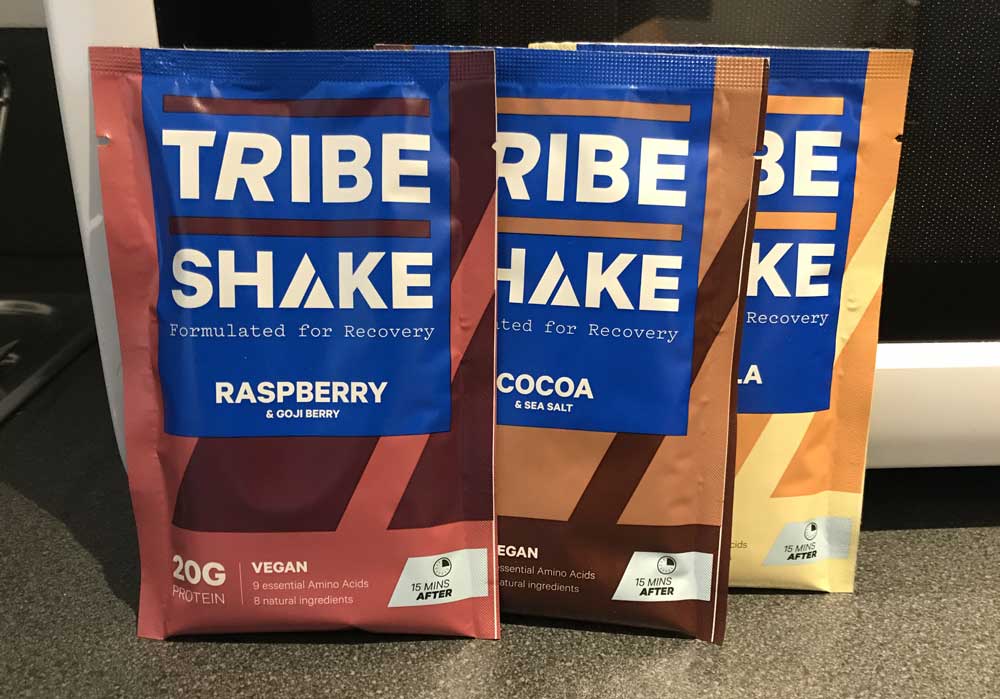
The Tribe recovery shakes contain about 20g of protein.

If I am in the mood for a change, I sometimes buy one of the ready-to-drink shakes from Tesco. These contain 22g of protein, but that is less than Tribe once you factor in that I mix the Tribe shake powder with milk, which has its own protein.

When I’m not home

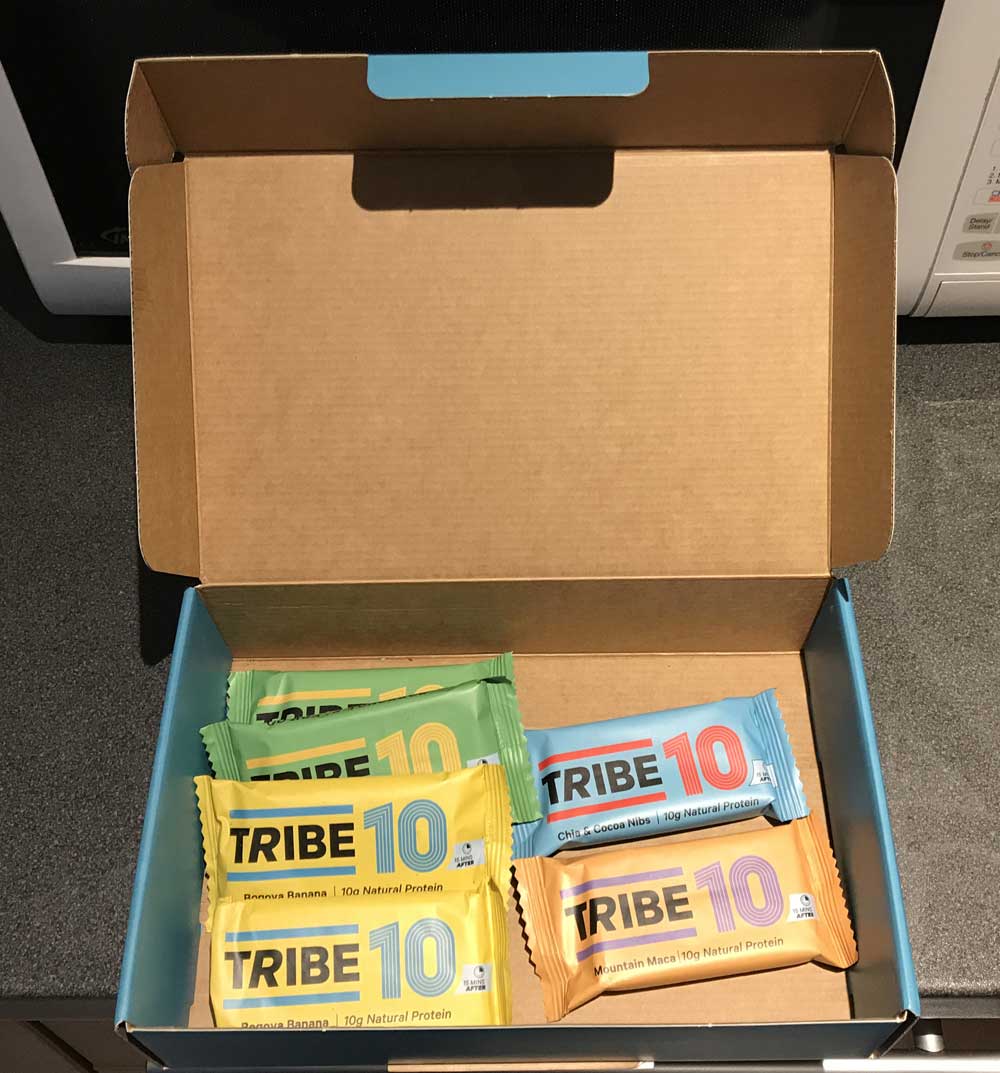
If I am at a race or at the pool, I go for a protein bar instead. I use the Tribe 10 bars which are named so because they contain 10g of protein. I get them in four different flavours and rotate around them.

After a race

Post-race is one of the few times I allow myself to indulge in a bag of crisps. Delicious salty crisps.

Nutrition: Fuelling

June 4th, 2018 | Sport

In my previous posts on nutrition, I talked about hydration and energy gels. In part three of my series on race nutrition, I’m talking about what I use for energy before and during a race. In short: energy bars and solid food.

Breakfast

On race day, I try to put some carbs in my body. Typically toast, but maybe cereal, and avoiding high protein things like yoghurt and meat. Sometimes I’ll have an apple, too.

If I’m travelling to a race I will then have an energy bar when I get there.

On training days, I’m lazy and have something small or maybe even nothing at all.

During workouts

In races, I only use energy gels. See my previous post on those here.

In sportives and training sessions, I might have an energy bar half way around instead to break up the monotony.

Brands

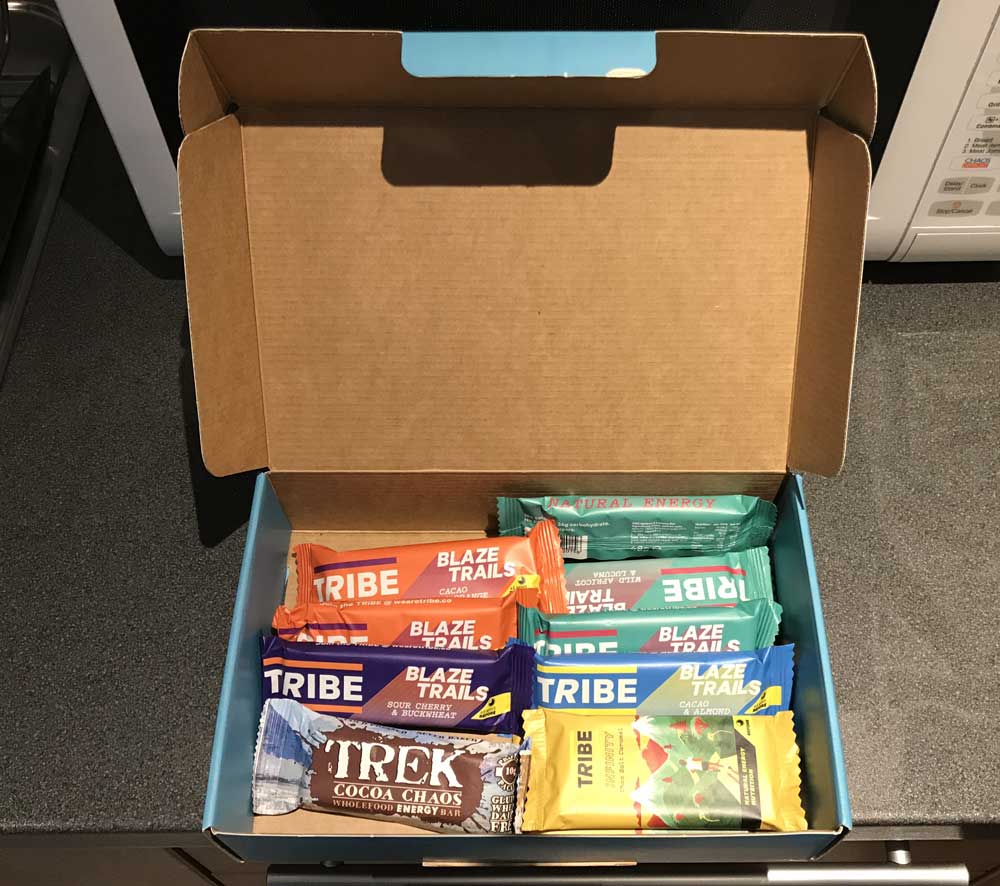
I started off with Trek because that was what Sainsbury’s had in stock. Their cocoa chaos is reasonably tasty and the cranberry kick bites and okay, too.

Now I mostly use Tribe as they do a bunch of different flavours. The orange and cocoa bar is almost like eating cake. All of the Blaze bars are good and the caramel and sea salt Infiniti bar is edible.

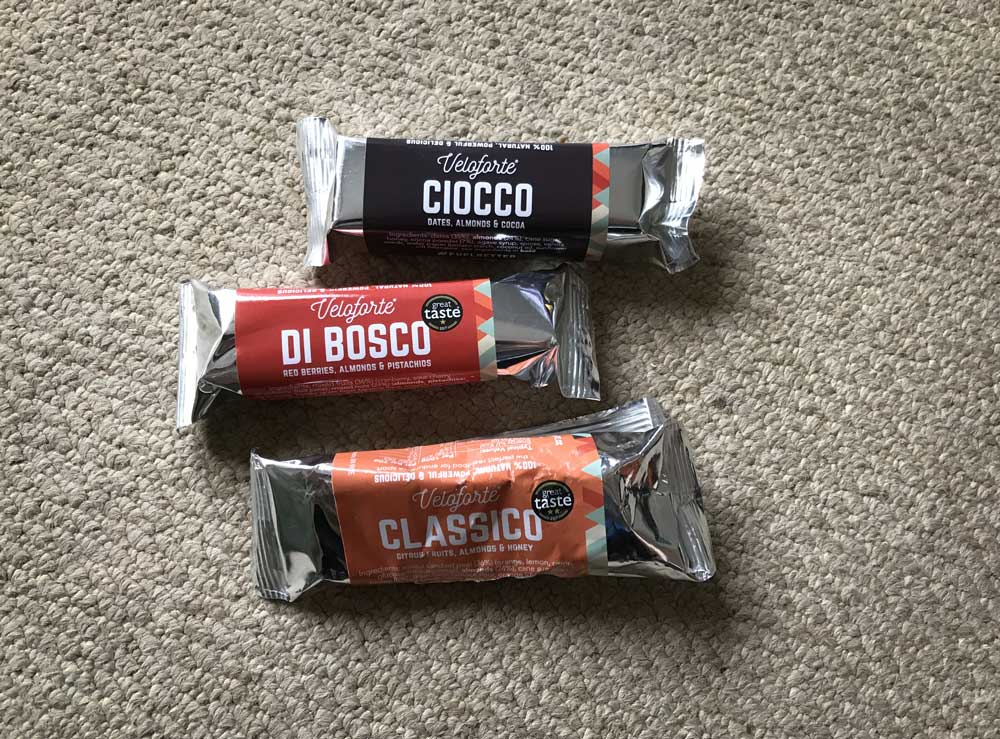
I’ve recently been put onto the stuff Veloforte make. Their cocoa bar is also like eating cake and the classico is tasty, too. I was a bit worried because I’m not a big nut fan but it tasted great. The red berry one was a bit too moist to my taste. The downside: only three flavours and they’re very expensive compared to the competition.

Nutrition: Energy gels

June 3rd, 2018 | Sport

In my previous blog post, I talked about my hydration strategy. In this post, the second in the series, I am going to talk about energy gels.

Strategy

I only use gels during a race or training session; I don’t use them pre or post race.

I use them for races that take longer than 90 minutes. So, for a 10km I take nothing. For a half marathon, I will take an energy gel an hour in. I haven’t used them so far for sprint triathlon but I think I will in future.

I use them a lot in sportives and standard distance triathlon. On the bike, I fuel by numbers so historically this has been every 30 minutes in training or every 10km in a race.

Brands

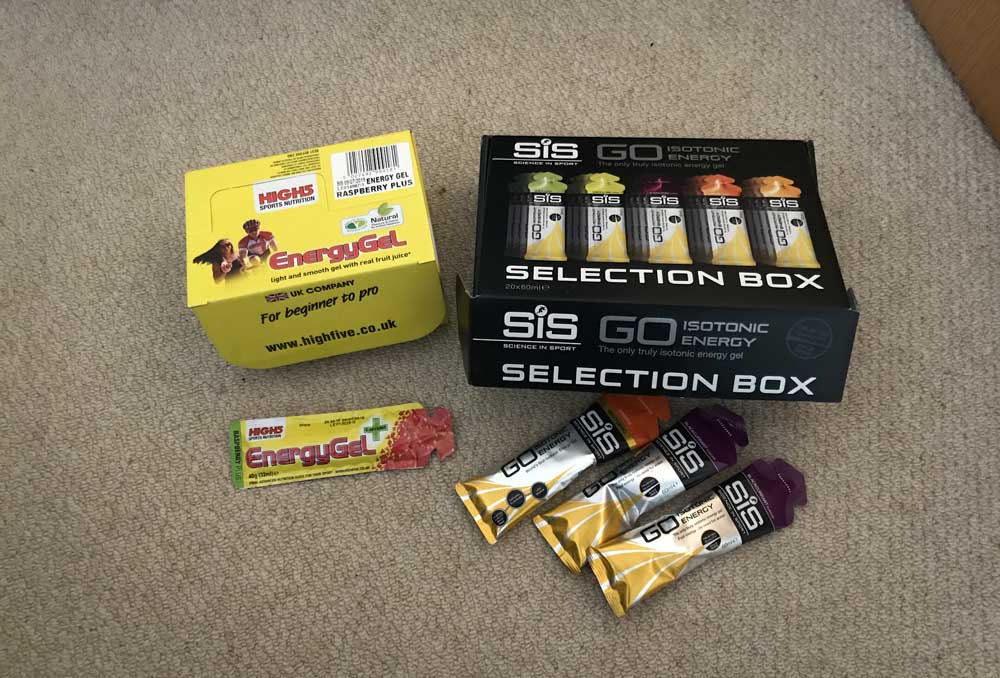
I use High5 plus caffeine gels. They do them in raspberry and orange flavour. They taste good. The downside to them is that they are very, very sticky. Your hands end up really sticky and it is annoying.

I have also tried SiS. They come in a lot more flavours but they are a lot bigger (for the same quantity of energy) and taste like Calpol. You can consume them without getting sticky, though.

Gel flasks

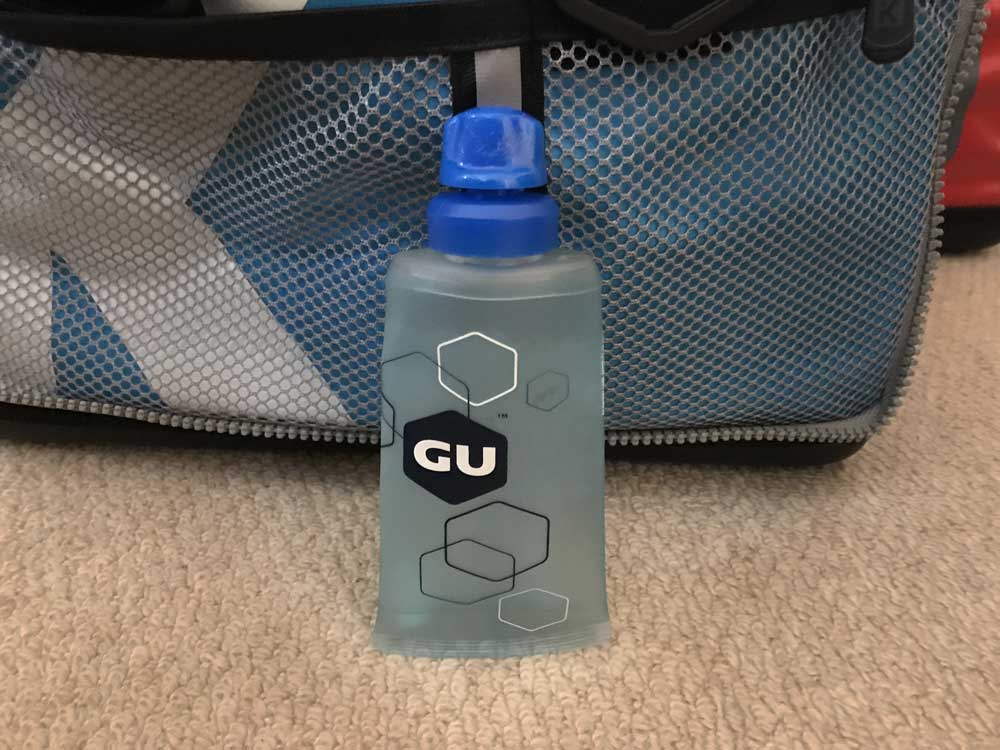
To avoid getting sticky, I use a gel flask. These are pouches that allow you to fill them with lots of gel and take as much as you need before resealing each time.

I use the Gu flask. It claims to hold five gels, but that is Gu branded ones, I find High5 is more like four gels. It works well and you can open it with your teeth, making it a one-handed operation.

I fill mine the day before a race and chill it in the fridge overnight.

Downsides to the Gu flask: it is hard to get the final bits out so you waste some gel. Also, it’s difficult to get the top off when you’re washing up. Both minor problems.

Over a standard distance triathlon, I find I use more than one flask, so I’m thinking of moving to a two flask system.

Nutrition: Hydration

June 2nd, 2018 | Sport

In an upcoming set of blog posts, I am going to talk about my nutrition strategy during training and racing. Possibly because it will help others but mostly because you’ll be able to say “that’s a terrible way to do it, here is why” and I’ll learn something new.

I’m not going to cover the wider issue of diet and eating healthy. I love to cover that stuff on my blog, but this series is just looking at sport-specific stuff.

To start with, I’m going to talk about hydration.

Timing

One thing I picked up from the physiology textbooks is to drink as much as possible two hours before a race. That gives your body time to get all the liquid it needs and wee the rest out before the start of the race.

Water

Obviously, water is the main source of hydration. I don’t use anything special water because tap water is great.

Pre-race

I fill all of my bidons the night before and chill them in the fridge overnight. I then drop a couple of ice cubes into them in the morning, just before I set off.

During a race

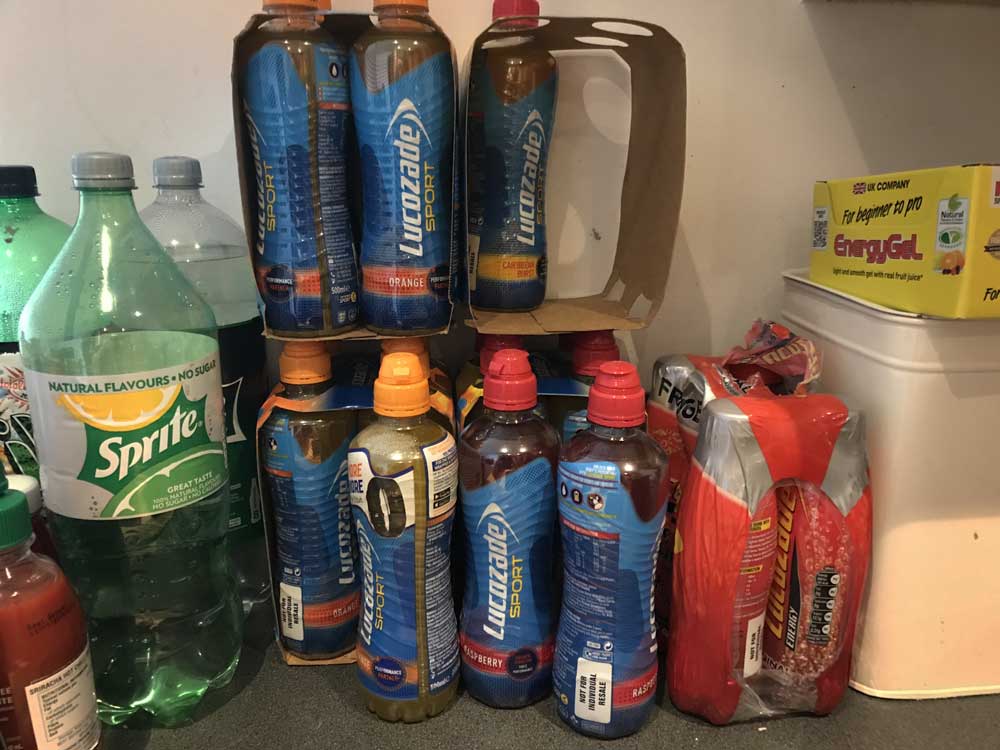
I drink a lot of Lucozade Sport. When I first started, I used Lucozade Energy. However, it’s fizzy, which isn’t as easy on the stomach. It does have the advantage of caffeine, but I get this from my energy gels.

I fuel by numbers on the bike, so I’ll often drink every 5km to make sure I don’t forget. On the run, I am more laid back: drink when I feel like it, usually water.

I don’t have to worry about it in the swim because of the amount of pool/lake/river water I drink.

Post-race

On race day I like to have a bottle of full-fat Coke to hand to get some sugar in me.

After training, I will often have a recovery shake instead. These are great for giving you lots of protein. I use the Tribe shake mix, which I combine with milk though you can also use water. They’re a bit gritty even after a good shake but otherwise taste pretty good. Flavour preference, in order: raspberry, cocoa, vanilla.

Bottles

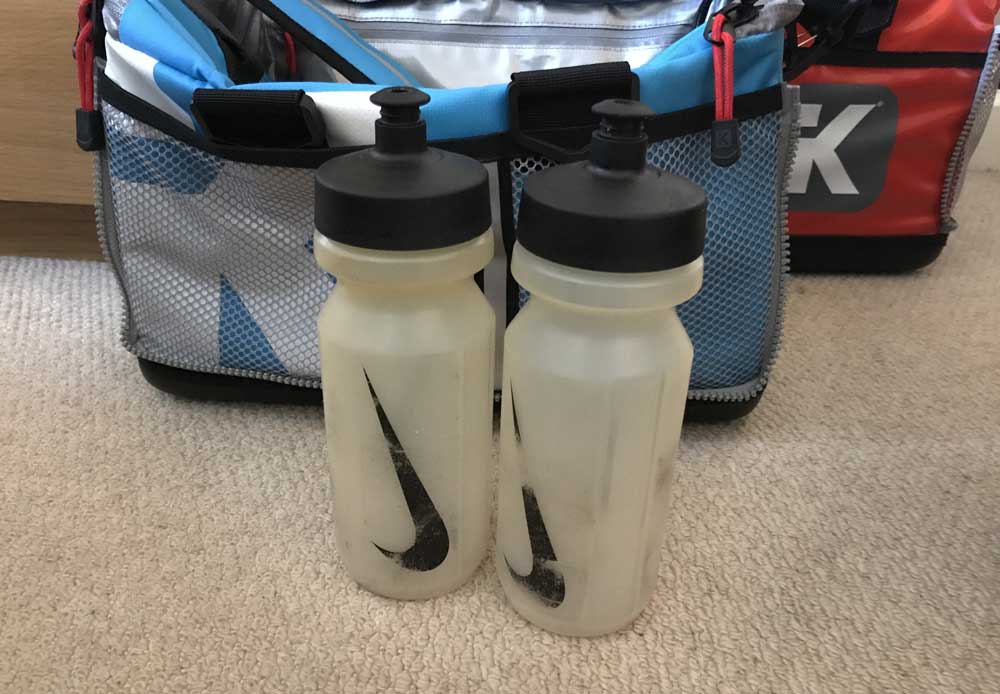
I use the clear Nike Big mouth bottles. They’re okay. I had some problem with leaking in my bag but I’ve since realised it was probably me not fully sealing the top and since then Ali haven’t had any problems. They are clear so you can see at a glance how much is left in them.

I take two bottles mounted on the inside of the triangle in my bike (the usual places). When I’m running, I don’t take any bottles with me.

Wetherby Triathlon

June 1st, 2018 | Sport

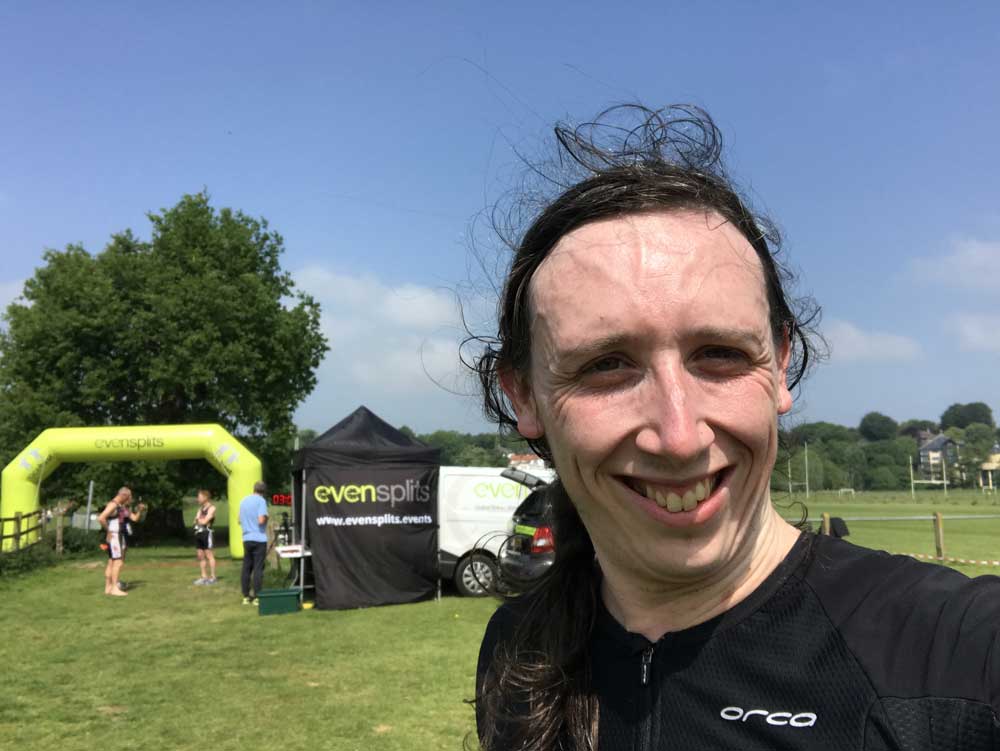
Last week, I completed my first standard distance triathlon. Standard distance is 1500 metres swimming, 40km bike and 10km run. This is the distance then use in the Olympics and one of the distances they use in the World Triathlon Series, alongside the shorter sprint distance.

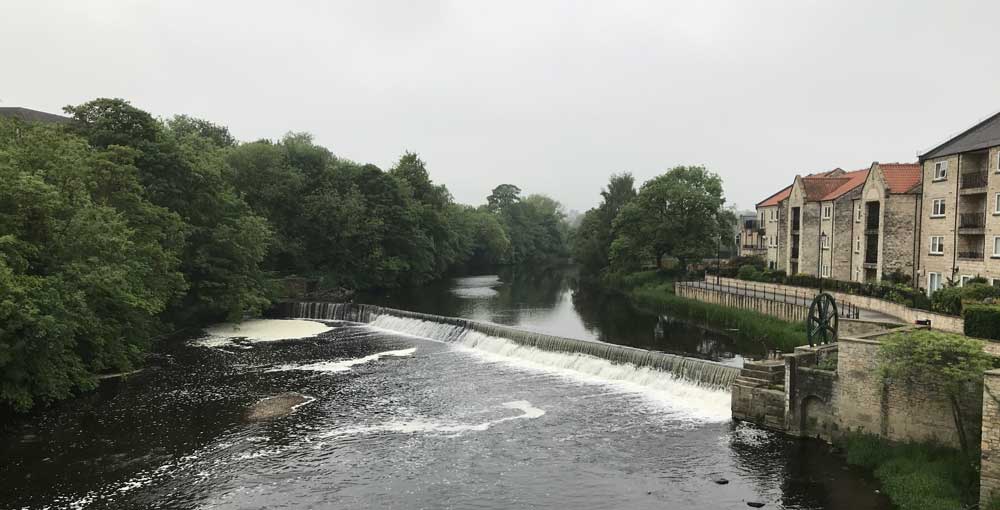
It starts in Wetherby with a swim in the River Aire. Luckily, we didn’t have to tackle the weir. The course goes upstream, then down, then up again. The current didn’t seem to make any difference as I couldn’t tell it was flowing.

It was lovely and warm compared to the lakes I’ve been swimming in. It was clocked at 18 degrees the evening before and while it might have go down overnight, it felt warmer than the 16 degrees at the Evolve sprint race.

The bike was an out and back course to Boroughbridge. It was very flat with a headwind on the way out and a tailwind on the way back. This made for easy riding: I managed an average speed of 27.3 kph, which is faster than I went at Evolve. Finally, the run went down the Sustrans route that runs through Wetherby.

There were two or three people behind me at the end of the swim, it was all even on the bike and I passed five people on the run. With it being my first standard distance I assumed I would be somewhere in the 3:30-4:00 range. But I was a lot faster. My time was:

3:02:18

I couldn’t believe it when they gave me the printout. Everyone seemed to make it home faster than previous years so maybe it was just a fast year. But, importantly, I managed to avoid being the lanterne rouge, which was a very real threat based on my initial estimates and previous year’s results.

I’m clearly a runner pretending to be a triathlete. If you compare what place I was for each section:

Swim: 98/102
T1:   96/102
Bike: 94/102
T2:   96/102
Run:  64/102

I’m one of the slowest people in most sections, until the run, when I vastly move up the rankings.

My next triathlon is ITU World Series Leeds, where I’m hoping there will be a much wider range of abilities so I’m not at the back for the entire race.

Is this what mansplaining feels like?

May 27th, 2018 | Life

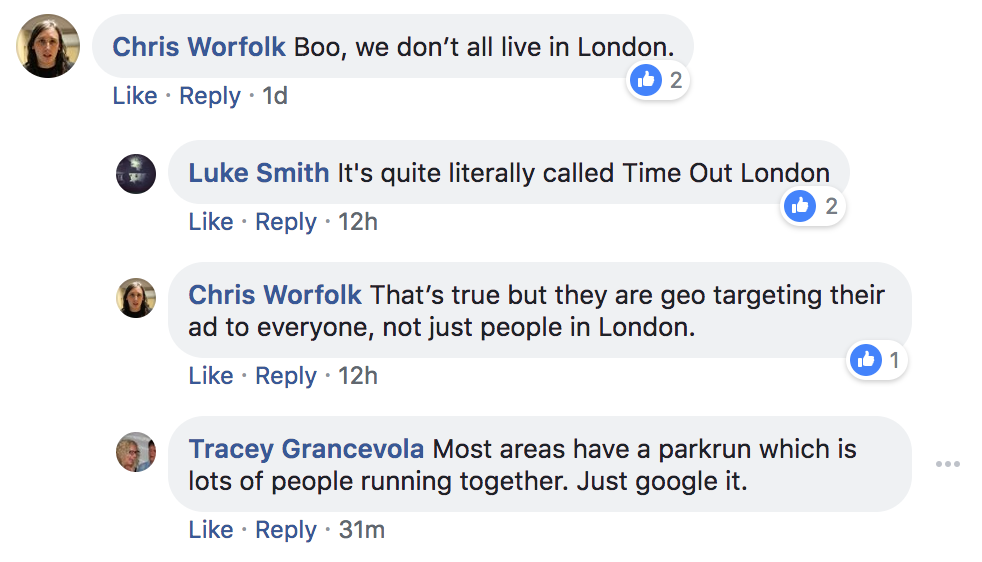
We’re runners. Talking about running. Tracey is explaining to me about “Parkrun” (of which I have completed 156 and am in the same running club as the guy who runs the entire thing) which is “lots of people running together”.

Apparently, I can use something called “Google” to find out more.

For background context: Adidas is holding some free running events, but they all take place in London, despite their ads targetting what seems to be everyone in the UK. They’re promoting it through an advertorial in Time Out London.

Facebook ad fails #4

May 26th, 2018 | Business & Marketing

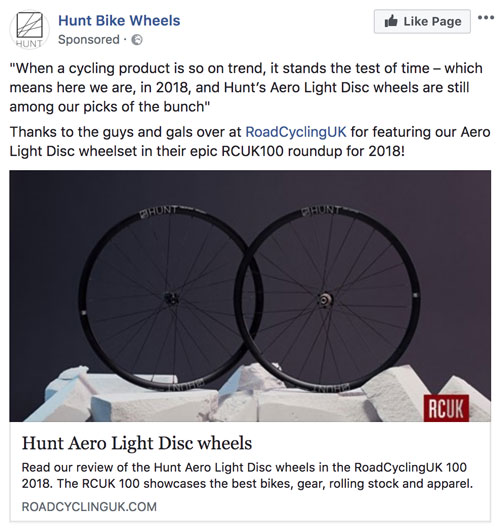
This week’s lesson on crafting a good Facebook ad is to make sure that your image matches your sales copy. Take a look at this advert from Hunt Bike Wheels.

This ad is just confusing because it’s talking about disc wheels, but the wheels in the photo are clearly not disc wheels.

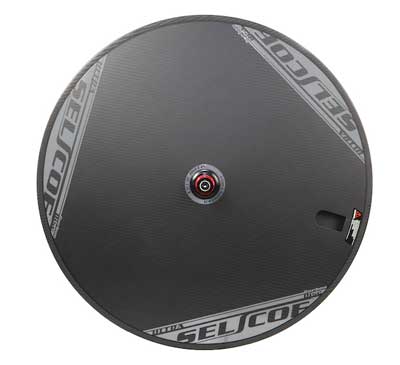
Compare it to this disc wheel from Planet X:

You’ll notice that this one looks like a disc.

Now, you could argue that I have misunderstood, and they’re actually talking about wheels with brake discs on them. Which, from the look of their website, which features a lot of wheels with brake discs on them, is probably the case.

But there aren’t even any brake discs on the image in the advert. All of this causes a lot of confusion for the user who struggles to work out what they are looking at. To avoid this, make sure your image makes sense with your sales copy.

AA travel essentials first aid kit

May 25th, 2018 | Life

I’m not sure how many people actually carry a first aid kit around in their car. But, being tediously well-prepared for most things, I do. It’s not something you really test, you just buy one, put it in the car and assume that when it comes to it, it will do its job.

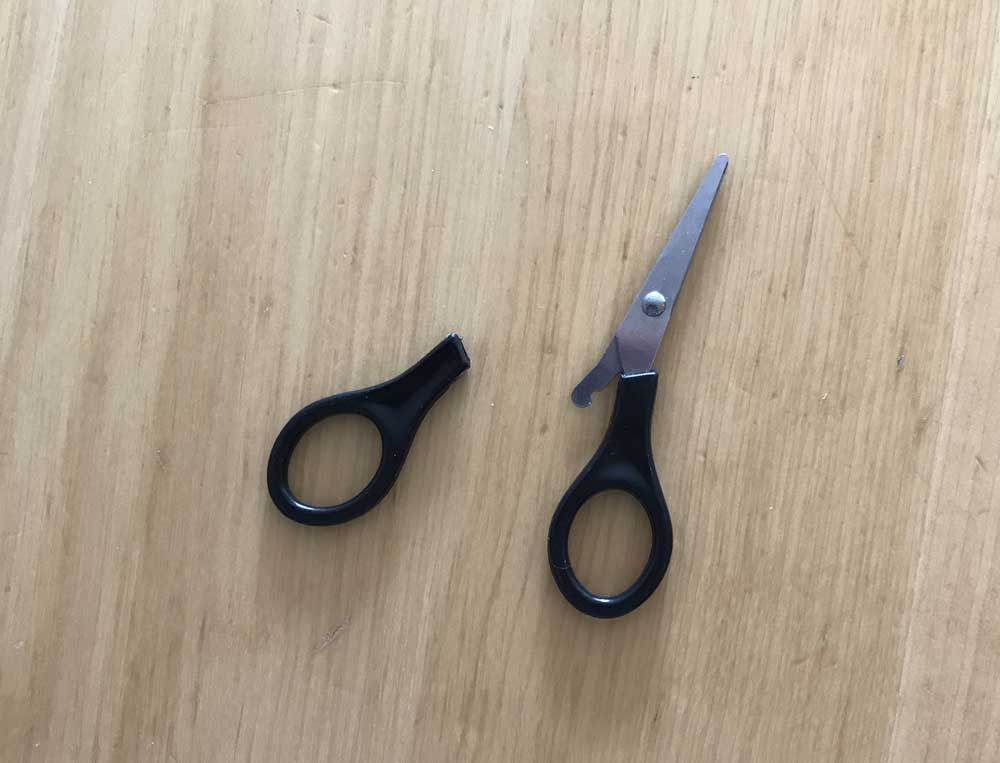
In the case the AA kit I ordered from Amazon, this turned out to be a less than stellar performance. The first time I tried to use the scissors, they snapped.

I tried to duct tape them back together to get a bit of leverage but it was no use. First time I have ever needed the kit and it failed me. It’s a good job it wasn’t an emergency of things could have gone south quickly.